






We’ve all been there – endlessly flicking through news feeds, social media posts, and headlines that seem to get darker the further we scroll. This habit, known as doom‑scrolling, traps us in a cycle of negativity and distraction, leaving us drained and anxious. But technology doesn’t have to be the enemy. In fact, the same digital tools that fuel our scrolling can also help us stop it. With the rise of AI, we now have smart companions that can filter noise, set boundaries, and redirect our attention toward healthier, more purposeful engagement. (Image: AI-Generated)

AI‑Powered Learning Apps: Micro‑learning platforms use AI to break down complex topics into bite‑sized lessons. Whether it’s language learning, coding, or general knowledge, these apps transform idle minutes into productive study sessions. AI adapts lessons to your pace, keeping you engaged without overwhelming you. (Image: AI-Generated)

Personalized News Filters: AI‑driven news aggregators can filter out sensational or repetitive content, showing only balanced, relevant updates. This prevents the spiral of negative headlines and ensures you consume information mindfully rather than compulsively. (Image: AI-Generated)
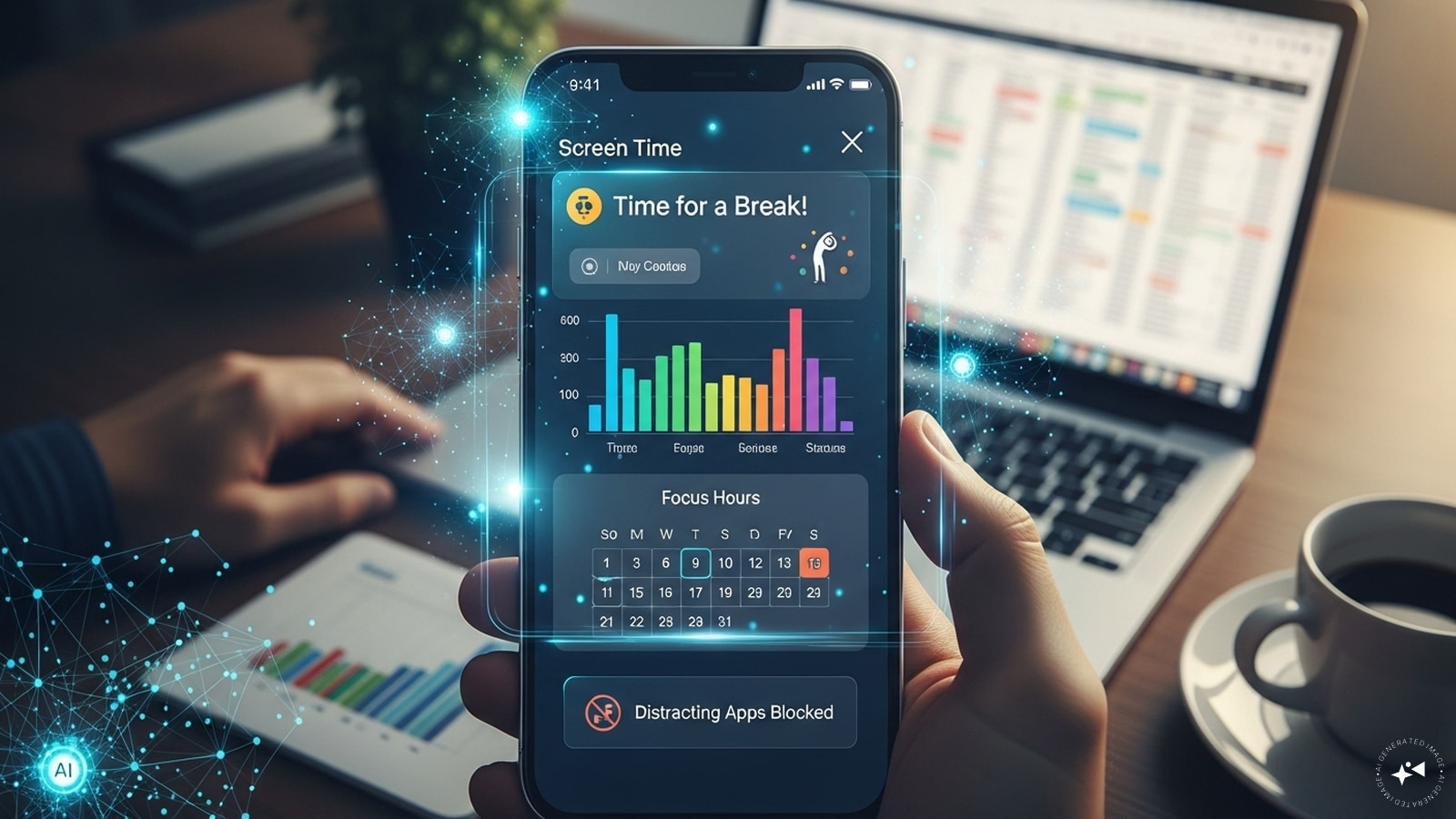
Smart Time Management Tools: AI productivity apps track your screen time and suggest breaks when you’ve been scrolling too long. Some even block distracting apps during focus hours, nudging you toward healthier digital routines. (Image: AI-Generated)

Mental Wellness Companions: AI chatbots designed for mental health can provide quick mindfulness exercises, gratitude journaling prompts, or calming techniques. Instead of scrolling through stressful feeds, you can check in with an AI tool that encourages reflection and relaxation. (Image: AI-Generated)
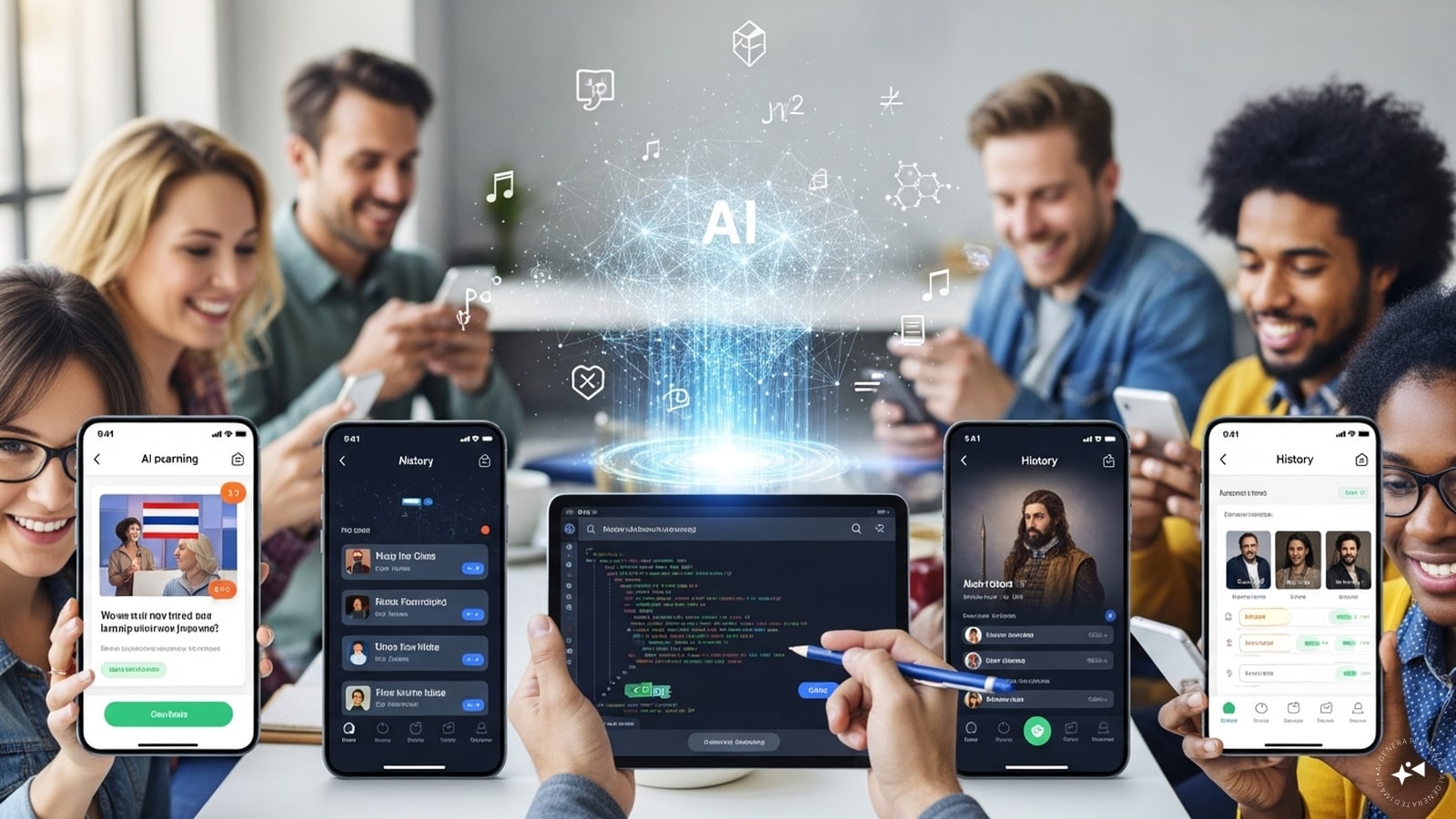
Creative AI Platforms: Instead of consuming endless content, you can create with AI, whether it’s generating art, writing, or music. These platforms turn passive scrolling into active creativity, giving you a sense of accomplishment rather than fatigue. (Image: AI-Generated)

Please note: AI tools should support, not replace, real human interaction. Always check how apps handle your information. AI can guide habits, but self‑discipline remains essential. (Image: AI-Generated)