





Nine out of 10 Americans have some caffeine every day, UNC Health says, whether that be coffee, tea or an energy drink.
There are downsides: in large amounts, caffeine can lead to seizures, sudden high blood pressure and breathing issues.
But in safe amounts – the Food and Drug Administration recommends a daily limit of 400 milligrams – studies have shown those who regularly drink some caffeinated beverages may be less likely to develop cardiovascular disease and liver, endometrial, skin and neck cancer.
A study released earlier this month also showed drinking two to three cups of coffee a day, or one to two cups of tea, was associated with a lower risk of dementia – regardless of a person’s genetic risk for the neurodegenerative condition.
“We also compared people with different genetic predispositions to developing dementia and saw the same results, meaning coffee or caffeine is likely equally beneficial for people with high and low genetic risk of developing dementia,” Yu Zhang, a Ph.D. student at Harvard Chan School, explained in a statement.
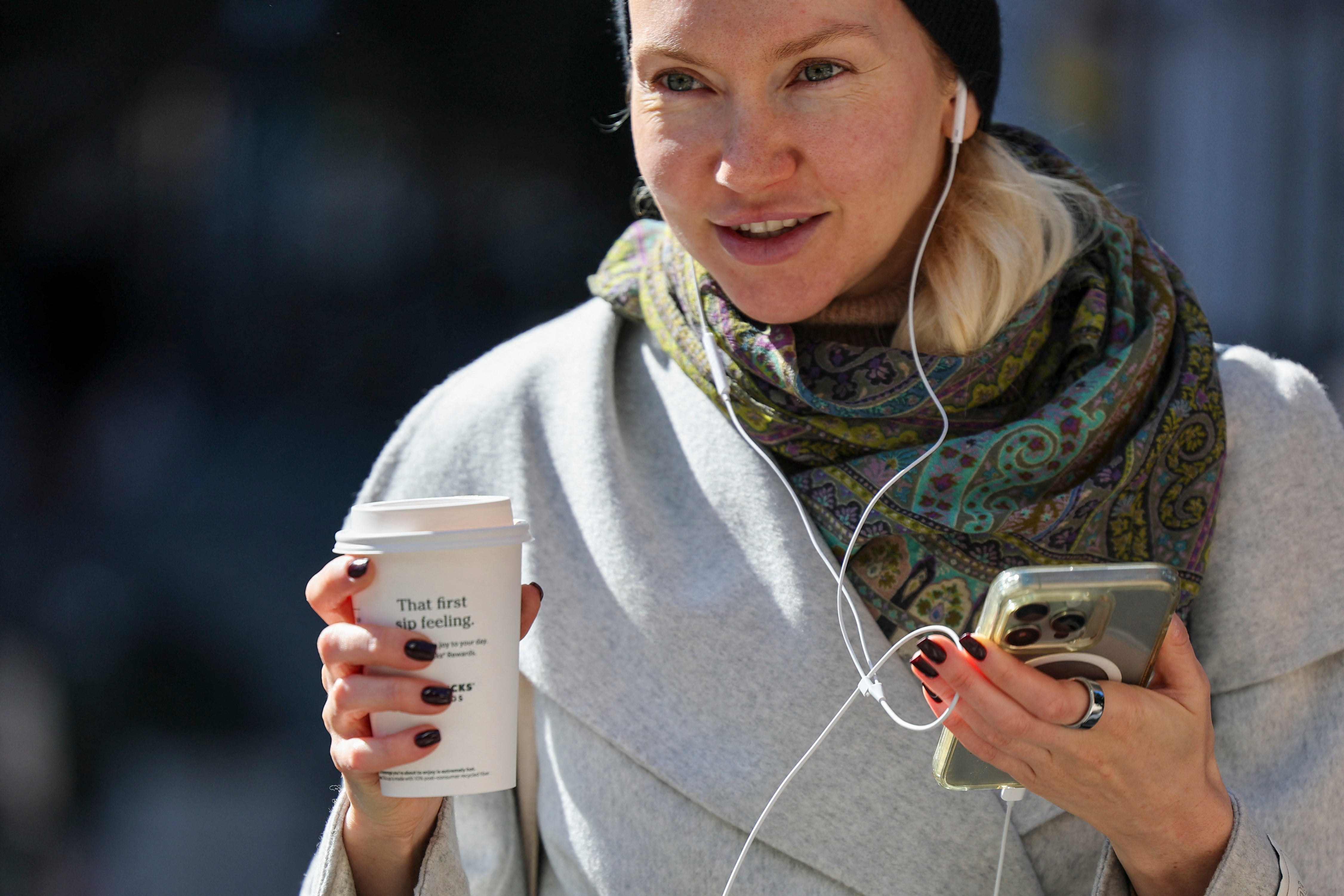
The study is the latest in years of research linking caffeinated drinks to improved cognition. Researchers at Johns Hopkins University said in 2014 that caffeine could help aid memory, and people who took 200 milligram tablets were able to boost their recall after just 24 hours.
A 2016 study in college students showed caffeine could benefit young adults in the mornings and a review published that same year concluded that low doses showed improved attention and reaction time.
There are also improved mental health effects for people who drink caffeine. It can help people with depression – a condition that impacts nearly 48 million Americans.
That’s because caffeine “stimulates dopamine, which is a chemical in your brain that plays a role in pleasure motivation and learning,” Dr. Nicole Clark, a neurologist with St. Peter’s Health, told the American Medical Association. Low levels of dopamine are associated with developing Parkinson’s disease.
And, caffeine can also help improve aspects of your physical health, doctors told the association. It can help people workout longer before they fatigue, according to Stanford Medicine’s Dr. Shannon Kilgore.

“It’s shown to improve endurance and speed as well as just having a decreased perception of fatigue,” she said.
It may even help you to keep the pounds off. That’s because it increases the metabolism and suppresses appetite – though research is divided on this one.
“Caffeine can actually decrease weight gain – not necessarily cause weight loss,” said Kilgore. “It increases your base metabolic rate and can suppress appetite a bit, which is useful if someone’s thinking of trying to be careful about their weight.”