Want to bookmark your favourite articles and stories to read or reference later? Start your Independent Membership today.
Already a member?
Log in
It’s a dark — dare I say eerie — Wednesday night in west London and the Spiritualist church is full. ABBA’s “I have a dream” plays softly as more of the congregation filter in. After the opening prayers and three minutes of meditation to Enya’s 2000s hit “Only Time” we’re ready. Ready to speak to the dead.
One of tonight’s mediums, a fabulously blonde, tanned and bejeweled woman named Bev Mann stands in the pulpit. She’s joined, she says, by a spirit who reminds her of the comedian Max Wall. He liked to wear wigs.
“I knew someone of that description,” a man volunteers. But Bev, she asserts, already knew they were for him. “It feels as though you’ve been down and he’s come forward to lift you up,” she says. “Does that make sense to you?” It does. He smiles. “There’s been a lot to deal with.”
Spiritualist churches are nothing new. Two New York teenagers, Kate and Maggie Fox, popularised the movement in 1848, with claims they could speak to spirits in their haunted house. Wherever they went, theologists, doctors and scientists followed and their practice soon spread to England, where the first Spiritualist church opened in Yorkshire in 1853.
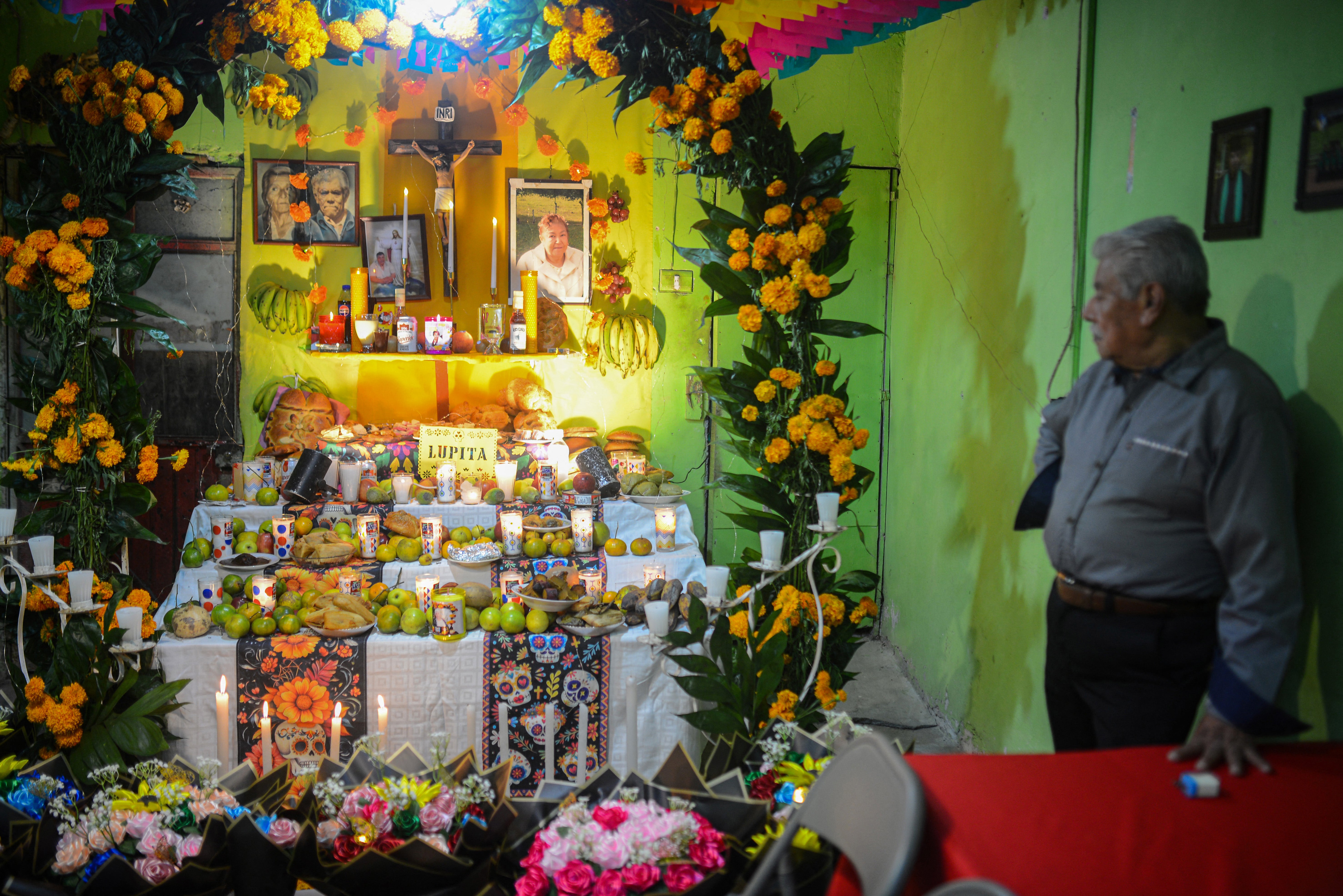
Today, an increasing number of young people are once again seeking out Spiritualism, whether in churches, at psychic pub nights or on social media. According to the latest YouGov data, one in five Britons believe it’s possible to talk to the dead, with the highest number (28 per cent) among 18 to 24-year-olds and 50 to 64-year-olds (24 per cent).
“I just think that the younger generation are so much under so much pressure,” Bev tells me of the increasing numbers of under 35s heading to Spiritualist churches like the one she practices at. “Everyone’s more aware of their self worth and empowerment; they know they don’t have to follow a certain road. They’re looking for answers.”
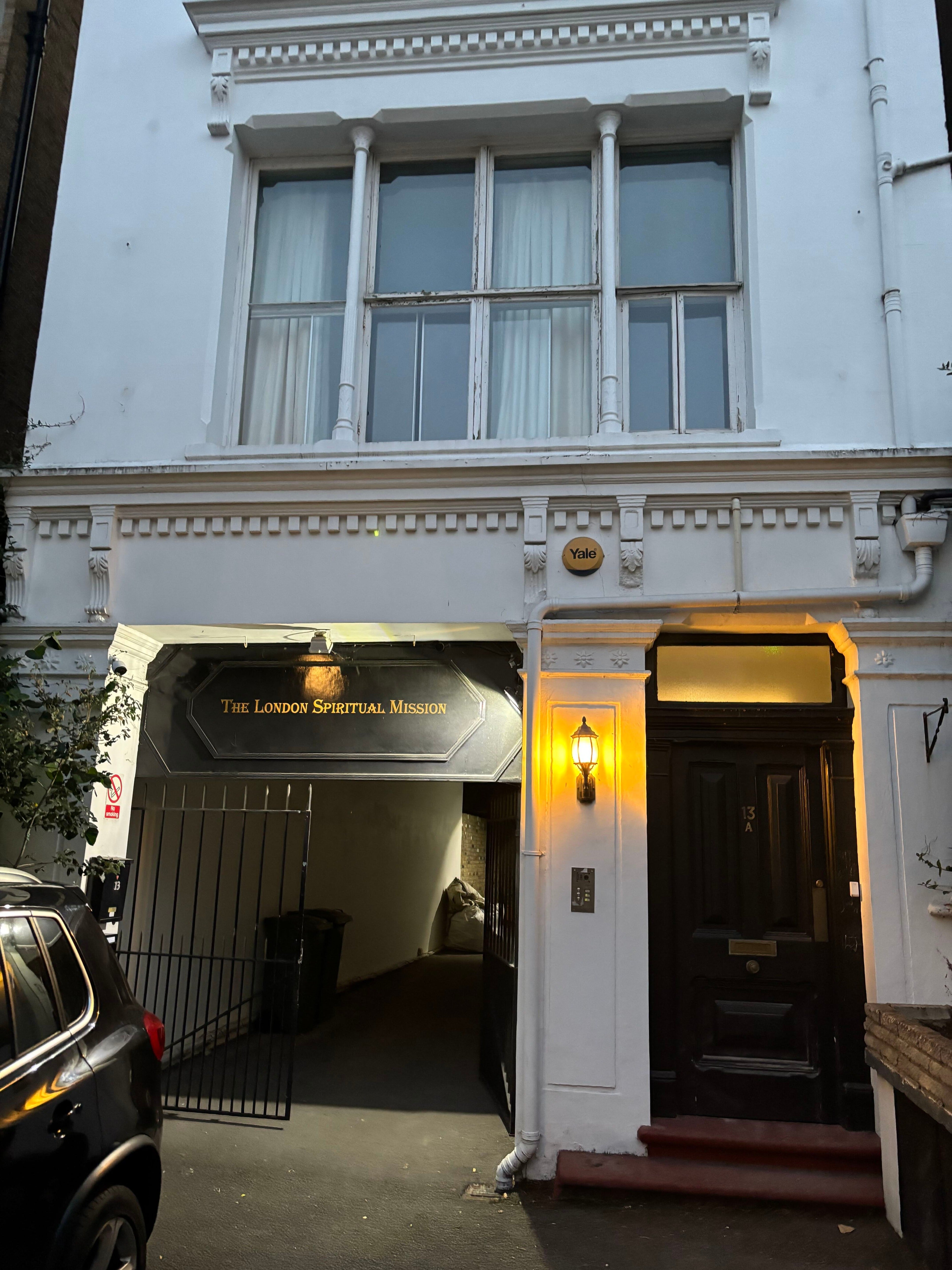
The turbulent geopolitical landscape, economy and existential dread of AI are also reasons why young people might be seeking solace and advice from the beyond. Dr Caroline Starkey, specialist in minority religions at the University of Leeds notes that there was also spikes in Spiritualism during the Industrial Revolution and the First World War.
“These patterns of change or social loosening make people crave for certainty,” she says. “We’re in a time where many more people are statistically not connected into mainstream religion. So, spiritualism fills that gap; that transcendental connection that answers the big questions.”
Starkey says she is entirely unsurprised by the renewed seductiveness of spiritualism. “I think we have this idea that we’re scientific and rational; that we don’t need religion. That we don’t need to believe in anything. Evidence over a long historical period suggests otherwise.
“These pockets of magic, enchantment and the desire to understand what’s going on in the world — that’s always been part of human nature.”
We’re in a time where many more people are statistically not connected into mainstream religion
Dr Caroline Starkey, University of Leeds
Although manifestation, TikTok tarot readers and Etsy witches — who sell love and luck charms for as little as £5 — are all doing big business among the young, Spiritualism is the only legally recognised religion that has its own ministers, healers and 300 churches across the UK.
On the night I visit, there’s a teenage girl who says she lost a friend who died in a car crash when she was at school. Unfortunately, her friend doesn’t turn up to connect with her.
Another woman, who Bev directly seeks out, shares that she has eleven children and manages to speak to the grandmother that raised her about her family struggles. Soon, Bev starts to get visions of picnic blankets: the woman’s childhood picnics alongside her grandma.“Did she take the tea pot out to the green?” she asks, surprised. “Yes, she did,” laughs the woman, elated. “She’s very proud of you,” Bev adds.
Other young people take to TikTok to share their experiences at Spiritualist churches. “It brings me comfort, even if I don’t get a message. It brings me comfort hearing other people get messages and how specific their messages can sometimes be,” says 33-year-old Chrissy Peeks, who attends the services alone.
Meanwhile, Bryony Lea, also 33, whose uncle died unexpectedly from adult cot death, aged 53, shared that she attended an open circle alongside her twin sister, Beth, where he came through and told the medium the name of their father, Mick, before sharing an old family anecdote about a chicken. “Everything that she said was absolutely on point,” Beth says.
Nobody comes through for me. At one point a spirit called Mary arrives. That was the name of my grandmother but it’s also the name of three other people’s relatives. A bidding war ensues to claim the woman and, in the end, is awarded to someone who can understand why this spirit might be saying something about cabbage. It’s safe to say I can’t.
Critics might dub this, and the many other services like it, a manipulation of those who are grieving. But Starkey says this is possible within any religion. “Wherever there’s people, there’s the possibility for abuse; for things going horribly wrong,” she says. “Some people go and find it’s the only thing that helps to give them closure.”
After the service, the happy congregation meanders down the aisle to the nearby vestry for cups of tea, a chat, and chocolate digestives. I don’t, necessarily, feel closer to the spirits — but I do feel closer to these people; and that, I think, might just be the whole point.