
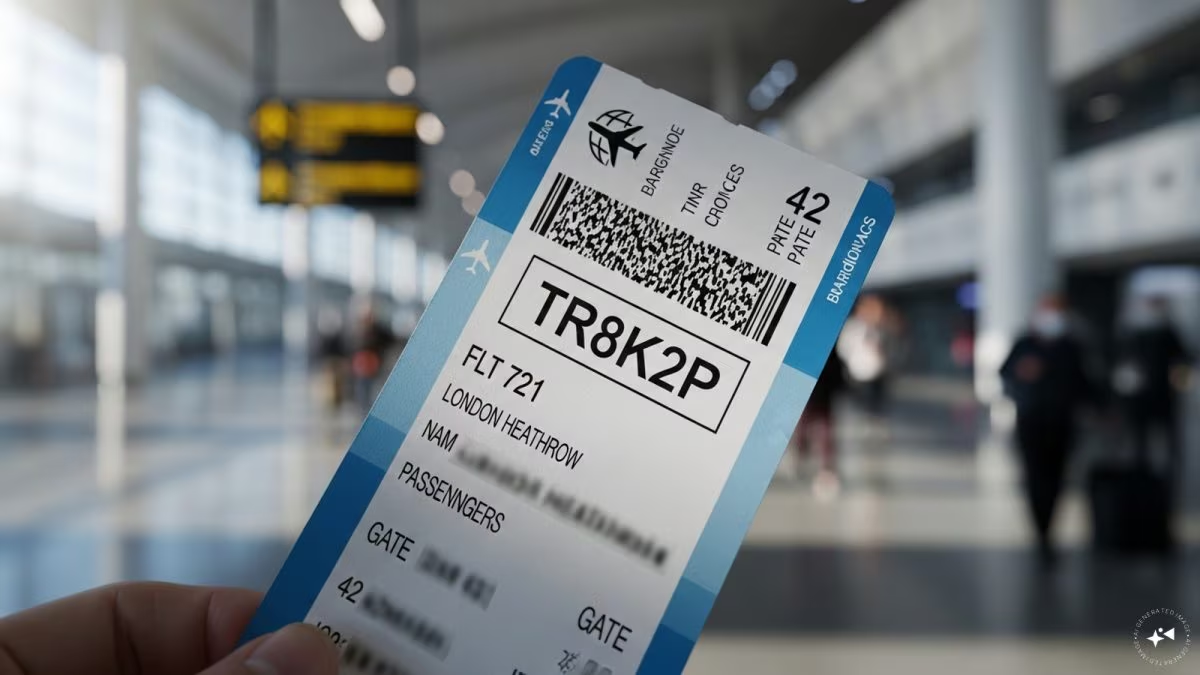
If you’ve ever booked a train or flight ticket, you’ve probably noticed a unique code printed on it. That little string of numbers is more than just a random sequence, it’s your key to travel. This code is called PNR, and it plays a crucial role in modern transportation systems. But what exactly does PNR stand for, and why is it so important? Let’s dive in.
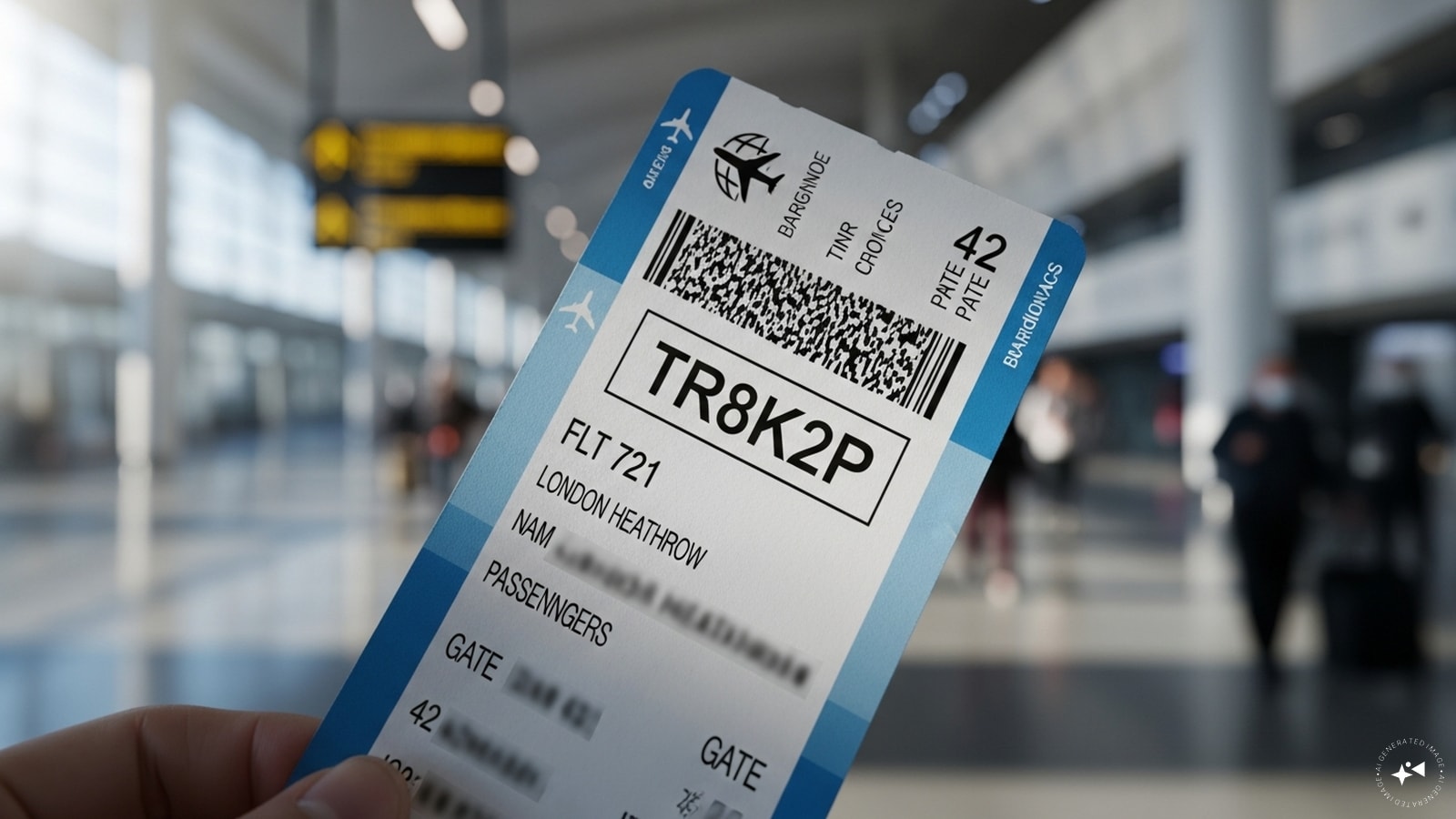
Full Form of PNR: The full form of PNR is Passenger Name Record. It is essentially a digital record stored in the database of a computer reservation system (CRS). This record contains all the essential details about a passenger’s journey, making it a vital part of the ticketing process.
What Does a PNR Contain? A PNR is not just a name; it’s a complete travel profile. Typically, it includes the passenger’s personal details (name, age, gender, contact information), the travel itinerary (train/flight number, date, time, boarding and destination stations/airports), ticket details (seat number, booking status, fare information), and any special service requests (like meal preferences or wheelchair assistance). This information ensures that both the passenger and the transport provider have a synchronized record of the journey.

How Is a PNR Generated? When you book a ticket, whether online or through a counter, the reservation system automatically generates a unique PNR number. In India, for example, train tickets booked through the Indian Railways Catering and Tourism Corporation (IRCTC) come with a 10-digit PNR. Airlines also issue PNRs, though the format may vary. The uniqueness of the PNR ensures that no two passengers share the same record, even if they are traveling together.
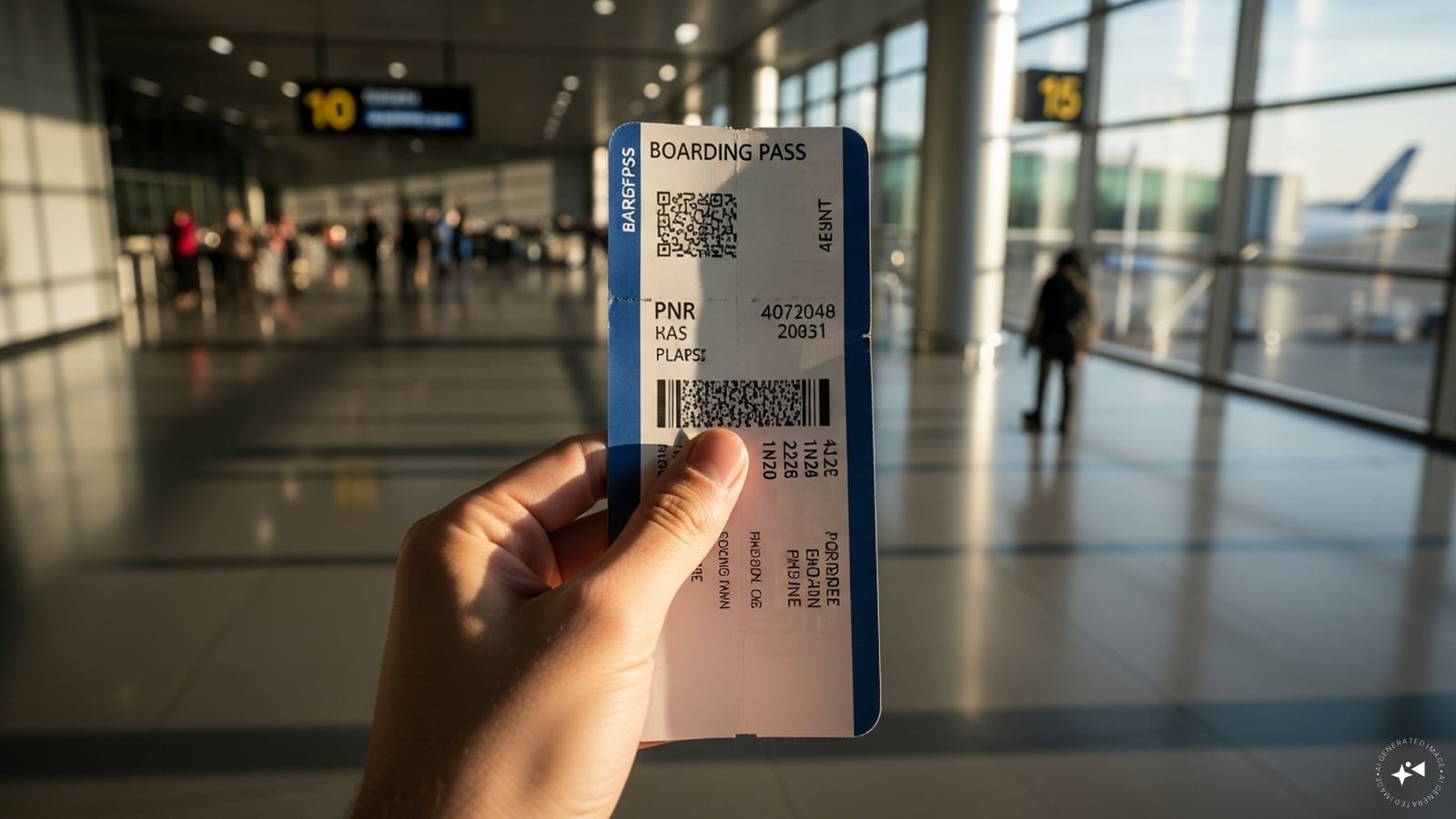
Why Is PNR Important? PNR serves multiple purposes:
– Verification: It acts as proof of booking and is required during check-in or boarding.
– Status Updates: Passengers can check their booking status (confirmed, waitlisted, or RAC in trains) using the PNR.
– Coordination: It helps airlines and railways manage passenger data efficiently.
– Safety: In case of emergencies, authorities can quickly access passenger details through the PNR system.
Without PNR, managing millions of passengers daily would be chaotic.

PNR in Railways vs. Airlines: While the concept is the same, there are slight differences in how PNR works in railways and airlines.
– Railways: In India, the PNR is crucial for checking ticket confirmation status. Since train seats are limited, passengers often rely on PNR to know if their waitlisted ticket has been upgraded.
– Airlines: In aviation, PNR is more about itinerary management. It helps airlines coordinate multiple legs of a journey, especially for international travel.

Fun Fact: Did you know that a single PNR can contain details of multiple passengers traveling together? For instance, if a family of four books tickets in one go, all their details are stored under one PNR. This makes group travel easier to manage.

