

Social media trends have turned everything from Aperol spritzes and Dubai chocolate to dill pickle flavorings and cottage cheese into viral culinary sensations.
State officials in Massachusetts are now hoping to channel that same enthusiasm toward a far more traditional, if overlooked, ocean staple: the flounder.
To bridge the gap between what local boats catch and what consumers choose for dinner, the Massachusetts Division of Marine Fisheries launched a pioneering initiative dubbed “Flat is Back.”
MassDMF Director Dan McKiernan sees the effort to promote this abundant flatfish as a step toward building a more environmentally and economically resilient fishery model—a framework he intends to adapt for other underappreciated species.
Getting the public on board, however, requires reshaping dining habits. Data from 2023 shows that more than three-quarters of the seafood eaten in the United States comprised just 10 species, dominated by shrimp, salmon, and canned tuna.
McKiernan noted that American diners generally consume a much narrower range of species than their counterparts in Europe and Asia. That concentration drives heavy demand for a handful of popular catches while leaving vast stocks of alternate fish untouched.
Cod remains a staple on American plates despite significant stock declines over the decades. By contrast, flounder is both widely available and budget-friendly.
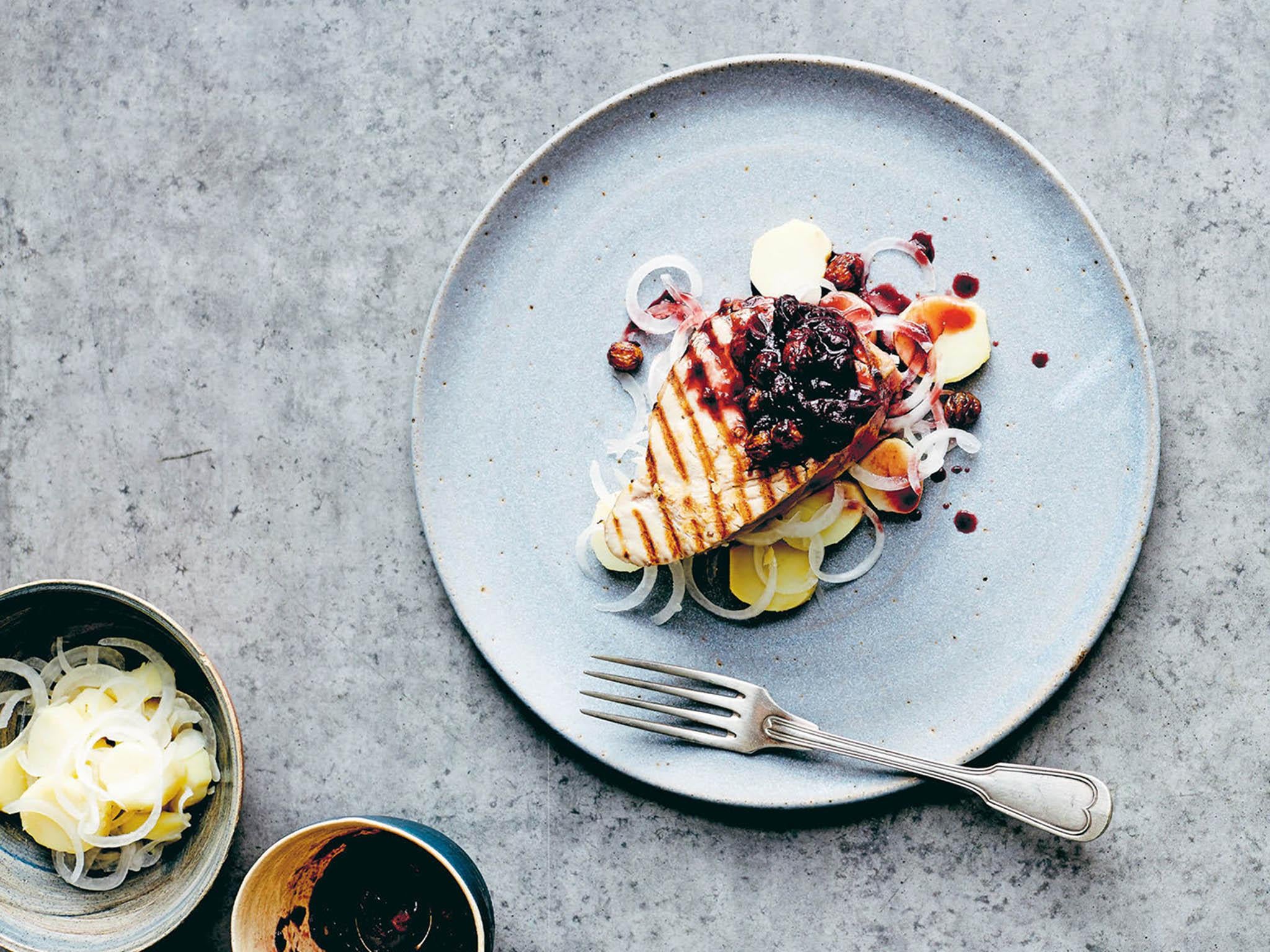
“We hope that this program can help people get an appreciation for some of the other species of fish, so that seafood can be, surprisingly, fun,” McKiernan said.
To spearhead the promotional push, MassDMF established the Massachusetts Flounder Chef Council in August.
The specialized group of 10 chefs from Boston and coastal areas was tasked with creating dishes that highlight the flatfish’s versatility, with the only requirement being that the chosen fish be flat.
Chef Josh Riazi of Servedwell Hospitality—who oversees culinary direction at venues including The Black Whale, Candela Cucina, and The National Club—serves as the sole representative from the South Coast.
Flounder spend their lives resting horizontally on the seafloor, relying on two upward-looking eyes to navigate their environment. Summer flounder hatch with one eye on each side of their head, but the right eye migrates to the left side as the fish develops.
They derive their name from their seasonal movements, shifting closer to the shoreline during warmer months before heading offshore to spawn in fall and winter.
Frequently referred to as the “chameleons of the sea,” they conceal themselves from predators by changing colors and burrowing into seabed sediment.
Riazi pointed out that flounder fillets are mild, tender, and thin, making them prone to overcooking compared to hardier cuts like salmon. The market landscape is further complicated by the variety of names under which flounder is sold, ranging from lemon sole and gray sole to Dover sole, summer flounder, winter flounder, and witch flounder.
When flounder does feature on restaurant menus, it frequently appears as an expensive dish such as classic French sole meunière, an upscale treatment that Riazi believes misrepresents an otherwise accessible and low-cost fish.
“It’s a really delicious, beautiful fish that can be prepared in a way that’s great and special if you put a lot of technique into it,” Riazi said, “but it doesn’t tend to populate menus the same way that salmon or swordfish or cod do.”
At The Black Whale, Riazi prepares a baked stuffed sole inspired by classic New England home cooking. He wraps thin fillets around a crab filling, baking them in a rich seafood cream sauce. He added that flounder works equally well raw in crudo or grilled whole, as its flat structure makes deboning straightforward.
The stuffed sole has performed exceptionally well since joining the menu, according to Servedwell Hospitality owner Steve Silverstein, maintaining steady sales at a manageable cost for the restaurant. In fact, its consistent popularity leaves Silverstein questioning whether the fish ever lost its appeal.
“I don’t know the need for this whole campaign,” Silverstein said.
McKiernan, however, hopes the initiative will encourage diners to prepare flatfish at home.
“A lot of folks, when they have a good meal in a restaurant, if they have some cooking skills themselves, that will inspire them to cook something similar,” McKiernan said. “And so that would be a great outcome … for a home chef to be brave enough or interested enough to try these things.”
Despite the dish’s success at venues like The Black Whale, broad consumer enthusiasm for flatfish remains a work in progress, particularly among younger generations who may be unfamiliar with the species after years of reduced catch quotas that prompted restaurants to stock other items.
During a discussion on the topic, McKiernan asked about my age. Upon learning I was 29, he inquired when I had last cooked flounder.
“I don’t know if I ever have,” I said.
“I rest my case, your Honor.”
To build interest among younger demographics, MassDMF enlisted public relations agency 44 Communications to coordinate digital outreach, acknowledging that McKiernan tracks fishery numbers far more closely than social media channels. Within seven days of launching, the campaign’s social media content generated 14,000 views, marking an engagement surge of nearly 700 percent above average levels.
At an August meeting of the Marine Fisheries Advisory Commission, MassDMF seafood marketing coordinator Wendy Wills suggested supplying flounder to public schools across Massachusetts. Noting that suppliers have previously incorporated lesser-known fish into school cafeteria fish sticks, Wills pointed out that the application window for state contracts is approaching.
“The kids go nuts for it,” she said.
McKiernan also emphasized the nutritional value of flounder, pointing out that protein has become a central focus for health-conscious consumers. A 100-calorie portion delivers 20 grams of protein with minimal saturated fat, providing more protein per calorie than cottage cheese and fewer calories than beef.
On September 14, the Massachusetts Flounder Chef Council hosted a tasting showcase at the Boston Fish Pier to feature dishes available on participating restaurant menus through the end of the month.
Sustaining long-term interest presents structural challenges, primarily because wild flounder is a seasonal catch, unlike farmed imports such as Norwegian salmon or Icelandic cod. While Riazi prioritizes regional and seasonal ingredients, he notes that customers must adjust to menu changes as seasons transition.
“We have local strawberries available, but only at a certain point of year,” Riazi said. “And they’re really amazing and really delicious at that point, but when you go to the grocery store, you’re just used to seeing strawberries all the time.”
Even so, Riazi observed that adding the term “local” to a menu description consistently boosts dish popularity. Both Riazi and Silverstein remain eager to expand the variety of species offered in their establishments.
Other regional seafood push efforts are also underway. The New Bedford Port Authority secured a $250,000 state grant to market local scallops and is selecting a marketing agency. Silverstein highlighted growing interest in pollock, an abundant whitefish increasingly used in restaurant fish and chips.
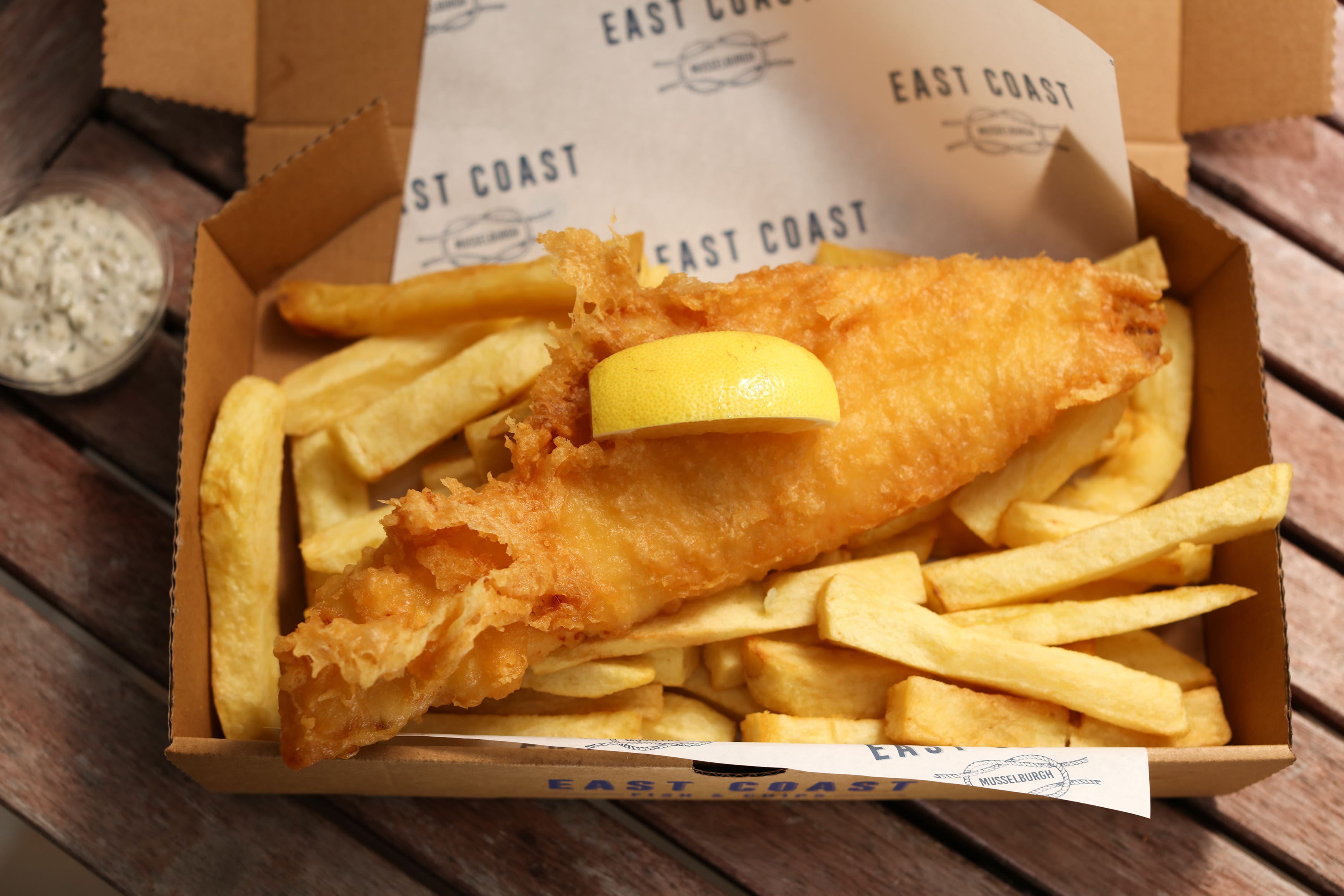
McKiernan explained that consumer demand for secondary species helps stabilize market prices and offers commercial crews broader fishing options. The strategy forms part of a wider dock-to-table movement aimed at lowering seafood costs and supporting small-scale fishing operations.
Liz Wiley, executive director of the food sustainability nonprofit the Marion Institute, emphasized that local seafood access remains critical in hubs like New Bedford. Although the port landed more than $13 million in groundfish—including flounder, haddock, halibut, and cod—in 2023, local residents often face barriers to purchasing local landings.
“We had restaurants say it’s easier for them to go to Point Judith to get access to local fish than it is to go to New Bedford Harbor,” Wiley said. “And it’s the same issue we see everywhere … it’s a global over local supply chain.”
While international supply chains provide year-round availability for products like strawberries, Wiley noted they are far more vulnerable to disruptions caused by global conflicts, climate change, and health crises.
Programs like the Community Supported Fishery, run by the Martha’s Vineyard Fishermen’s Preservation Trust, and the Chatham Harvesters Cooperative seek to connect local fleets directly with consumers, though both operate primarily in wealthier coastal communities.
Nevertheless, Wiley remains optimistic about making local catches like flounder, pollock, monkfish, or dogfish routine choices for everyday meals.
“I’m always advocating for people to use their voice,” Wiley said. “Going into your local seafood shop and asking for what is local is important, asking, when you go out to eat, if it’s local and sustainably caught. These are all things that people can really do.”
Steve Silverstein is a financial contributor to the New Bedford Light and sits on its Advisory Council. News coverage by The Light is produced independently, with editorial decisions made solely by its newsroom staff free from outside influence.

