Want to bookmark your favourite articles and stories to read or reference later? Start your Independent Membership today.
Already a member?
Log in
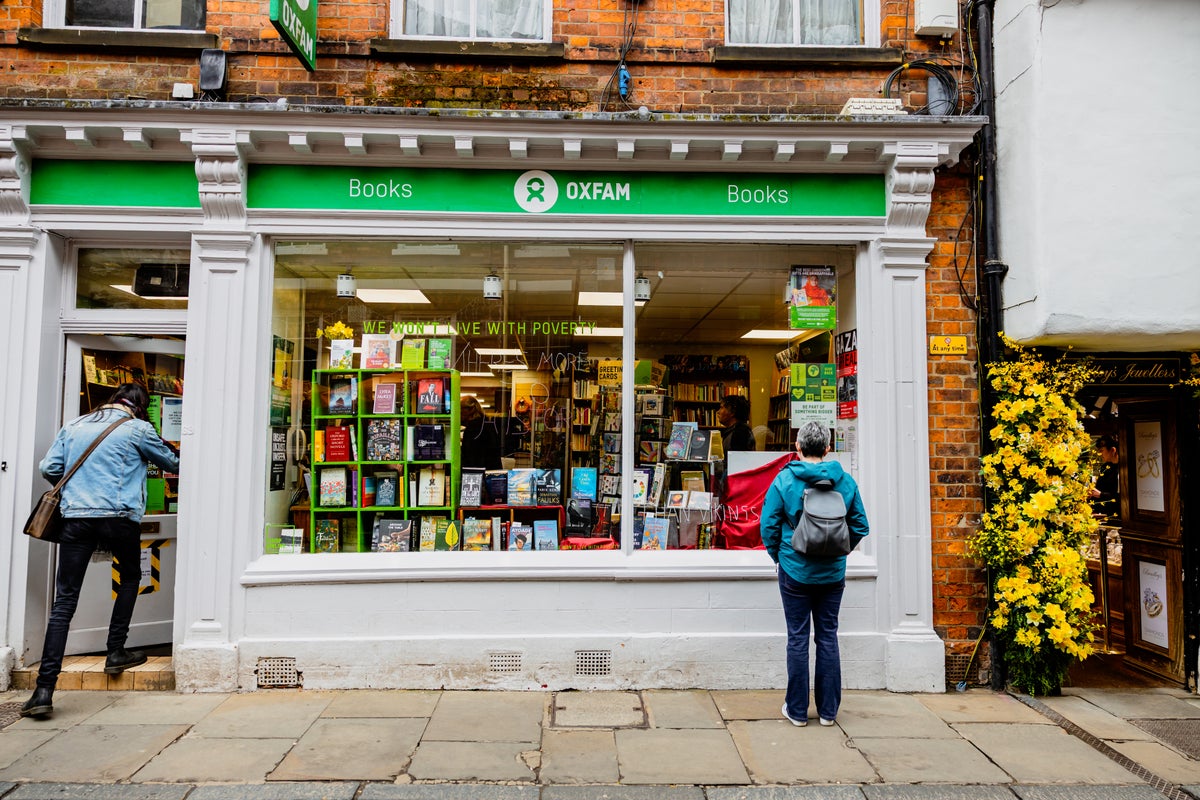
It’s not a sight you see every day: two of Hollywood’s biggest names mooching into Oxfam on the hunt for some fashion steals. But that’s what Laura Dern and Reese Witherspoon were up to on a recent trip to London, exemplifying what many of us who live here already know: charity shops, from Notting Hill to Northumberland, are one of the best parts of the British high street.
The stores, of which there are roughly 10,000 in the UK, first began to appear as we now know them in the late 19th century. They became widespread after the Second World War, when Oxfam opened one of its permanent stores in Oxford to sell donated clothing and goods to support relief work in Greece. Rapidly, popularity of the practice spread.
As a nation, we’re still just as keen on charity shops today. The latest YouGov survey found that 62 per cent of people think the stores provide a “valuable service”; a figure that rises to 66 per cent among the women polled. Last year, Traid found that between 71 per cent of people shop second hand, with over half of those buying in charity shops.
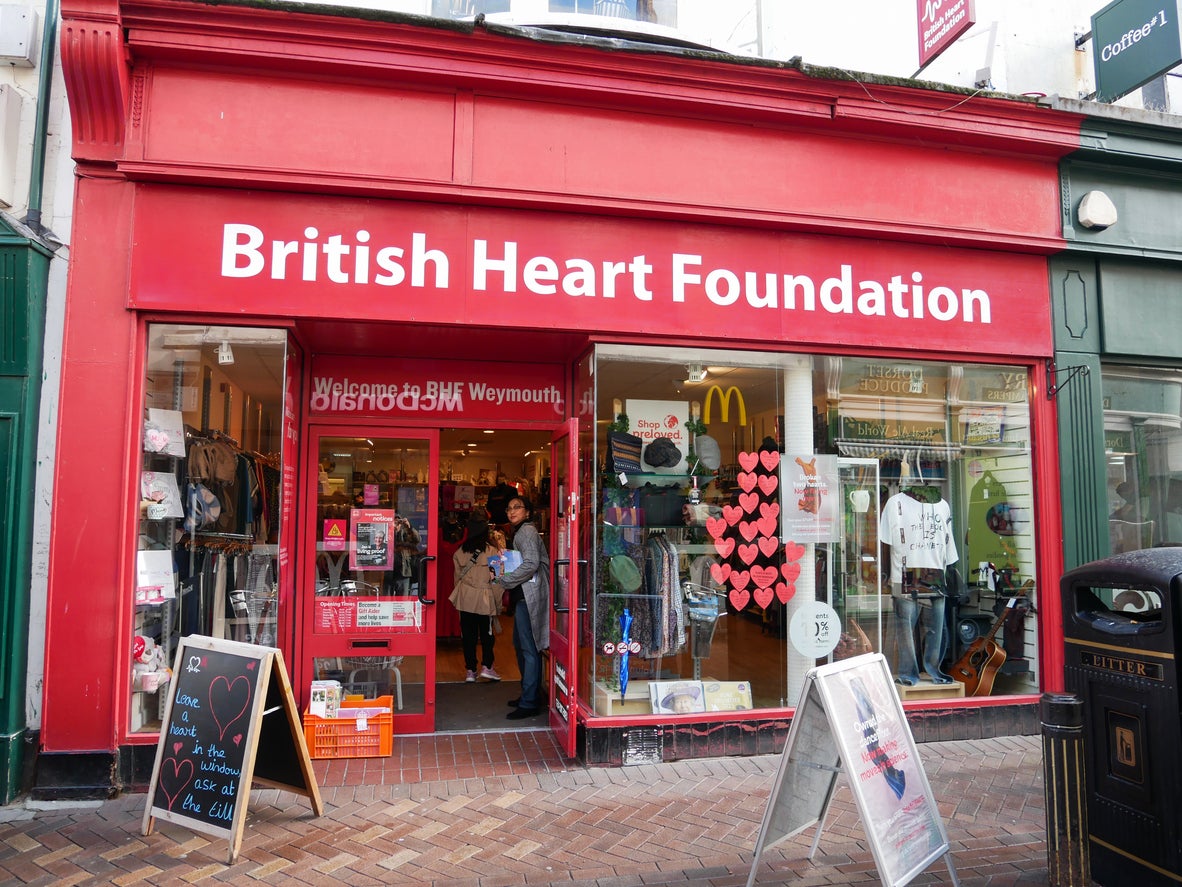
Still, the struggles for the second hand high street has been significant, with consumer spending down and the cost of living up. This summer, The British Heart Foundation announced it’s closing 150 shops over the next two financial years. It followed in the footsteps of Cancer Research, which has already shut 90 shops and up to 100 more will follow. Oxfam, meanwhile, said it couldn’t guarantee the future of its stores.

Vinted, now the UK’s third-largest fashion retailer, behind only Next and Primark, has largely footed the blame for this. People are flogging rather than donating their best clothes and giving all of the dregs to charity, say critics. But author and shop volunteer Dr Claire Askew says this is far from the largest issue that threatens industry-wide collapse.
Many of the items that are donated to charity shops can’t be sold; not because they’re dirty or unusable, but because of our retail habits. While many people will happily buy a jumper or a dress second hand, a set of bed sheets, or other fabric items like towels, are harder to fathom buying after they’ve been owned by a stranger.
As such, a lot of material — dated curtains, tea towels, old blankets — get leftover at charity shops and, eventually the rag man (textile recycler) will pay the charity shop a few pence per kilo to take the unsaleable materials off their hands, which frees up space in the shop.
“Even a few pence a kilo shakes out to a decent amount across the course of a financial year,” Askew explains on her Substack. But the rag rates have been going down for years. “There are simply too many textiles in the world. There’s no-one and nowhere left to sell them to.”
Many charity shops are now filled with low-cost items from fast fashion brands like PrettyLittleThing, Boohoo and Shein, which have short lifespans and almost no resale value. Askew suggests such clothes should come with mandatory warning labels like “This thing is made of plastic and will end up poisoning a precarious wetland ecosystem in Ghana once you chuck it in a donation bin because the seams fell apart after two wears, just fyi.’” Then, she suspects, our shopping habits might change.
Fair fashion campaigner and charity shop volunteer Venetia La Manna says similarly that the culpability for the fast fashion shift in second hand stores is better placed with clothing manufacturers than with consumers.
Big fashion brands, she argued during Sustainable Fashion Week, should simply pay for the entire lifecycle of their garments, as well as producing fewer, better quality, clothes and paying their workers a proper wage. “The quality of charity shops will get better,” she concluded. “We’ll be able to do what we want to do, which is just re-sell lovely clothes.”
How customers can support charity shops in 2026
Buy items second hand that you haven’t before
Don’t be put off pristine products like bed sheets, tea towels and blankets just because they’re second hand. Additionally, consider purchasing presents from charity shops this Christmas, which 83 per cent of people in Britain said was entirely, or somewhat, acceptable.
Support your local shop
The smaller the area, the more likely it is that your local store will need support to keep running. Make generous, high quality, donations and shop second hand frequently to help out stores that are struggling on the high street nearest to you.
Learn from the volunteers and donate accordingly
Unsure what to donate? Speak to those working in the shop about what sells well and what they struggle to shift, so you know your contribution will be as useful as possible. Read The Independent’s guide of what you can (and can’t!) donate to charity here.
Donate to stores that work with Trust certified recyclers
Trust certified recyclers ensure that any of the materials collected from charity shops are recycled ethically, rather than washed up on beaches in Ghana. Charity shops can’t always choose who they work with, says Askew. So an email to head office from a regular donor highlighting the scheme could go a long way.