

The Business Secretary has said there will be no bailout for Jaguar Land Rover amid reports that the UK’s largest car manufacturer is to cut 4,000 jobs.
The firm is expected to formally announce a major redundancy programme on Monday, with job losses to be spread over two years, The Times reported.
JLR confirmed in a statement that it is opening a voluntary redundancy programme offering salaried and management team members the opportunity to leave the business.
Business Secretary Jonathan Reynolds has spoken to JLR chief executive PB Balaji and will meet the firm’s leadership team early next week.
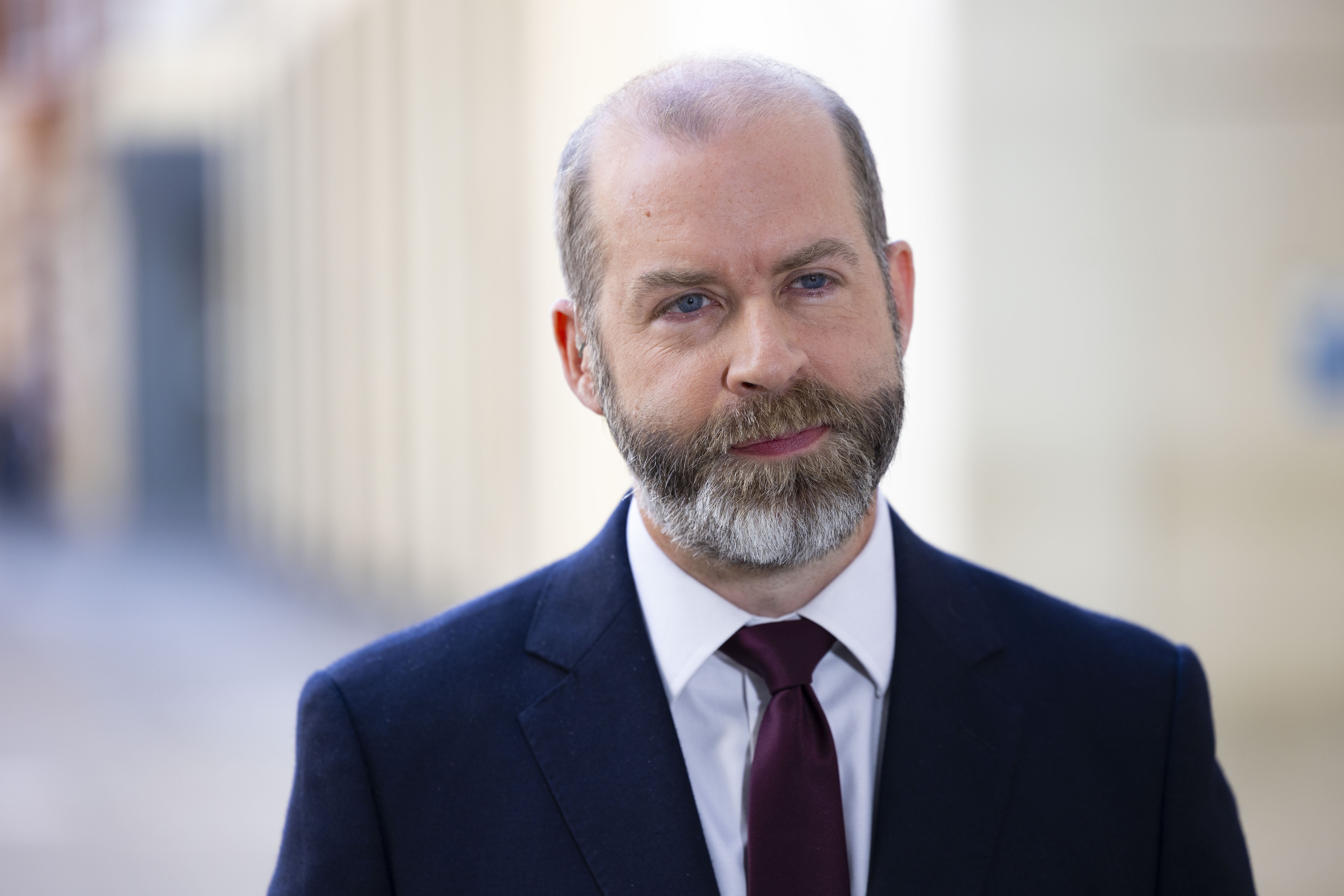
He told Laura Kuenssberg’s show on the BBC: “A company the size of JLR, which is a huge British success story, at various times in its business cycle, the number of, directly, people it employs will change.
“If this is about making sure over time that the workforce is right to make the business as competitive as possible, that’s the conversation we need to have.
“Of course you want to mitigate any job losses.”
Asked if there could be financial support to protect those jobs, he added: “Not if it’s to bail people out.
“If it’s about long-term investment in the future, we do invest alongside industry on that.”
JLR continues its recovery from a major cyberattack that forced it to halt production last year.
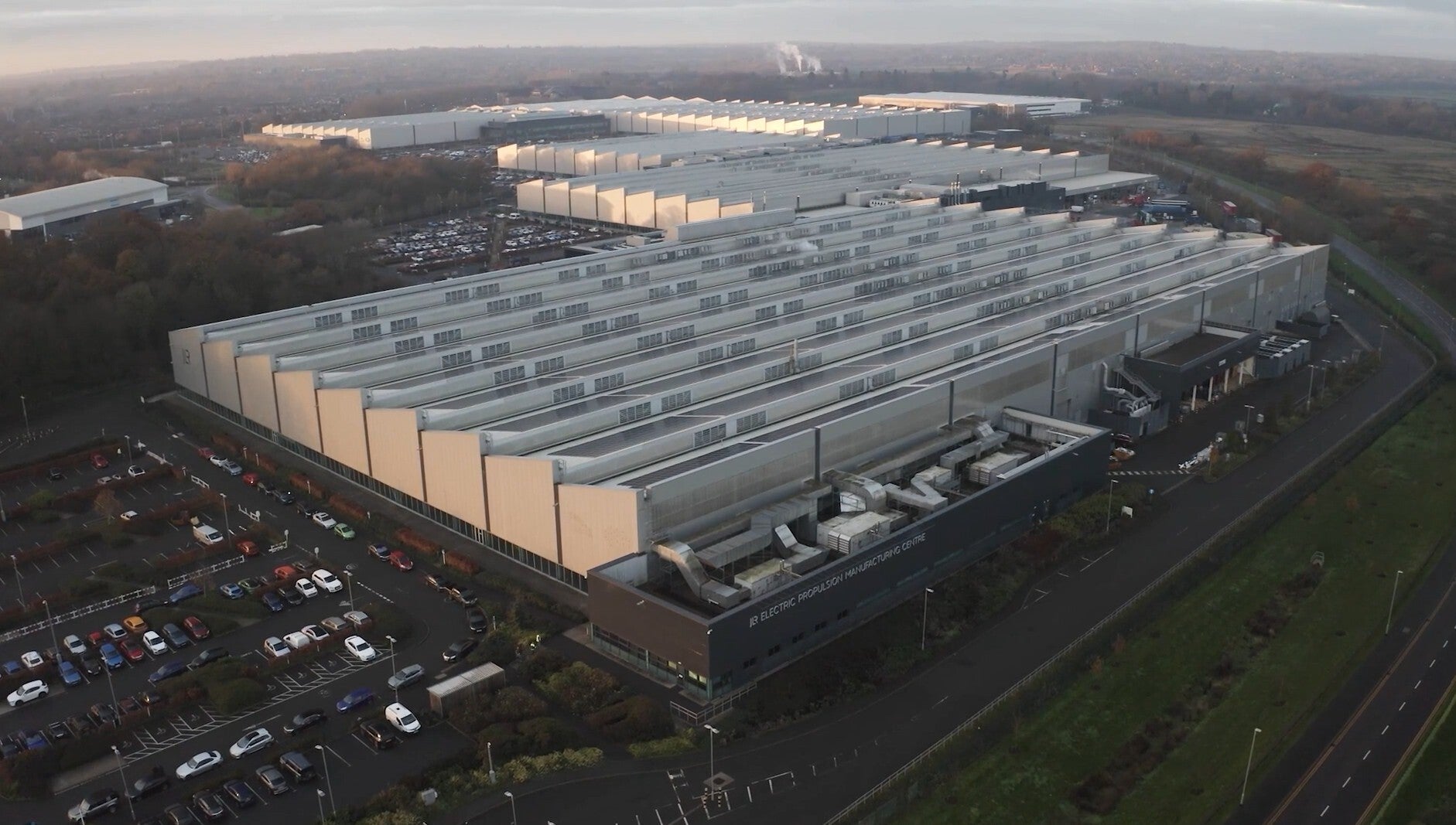
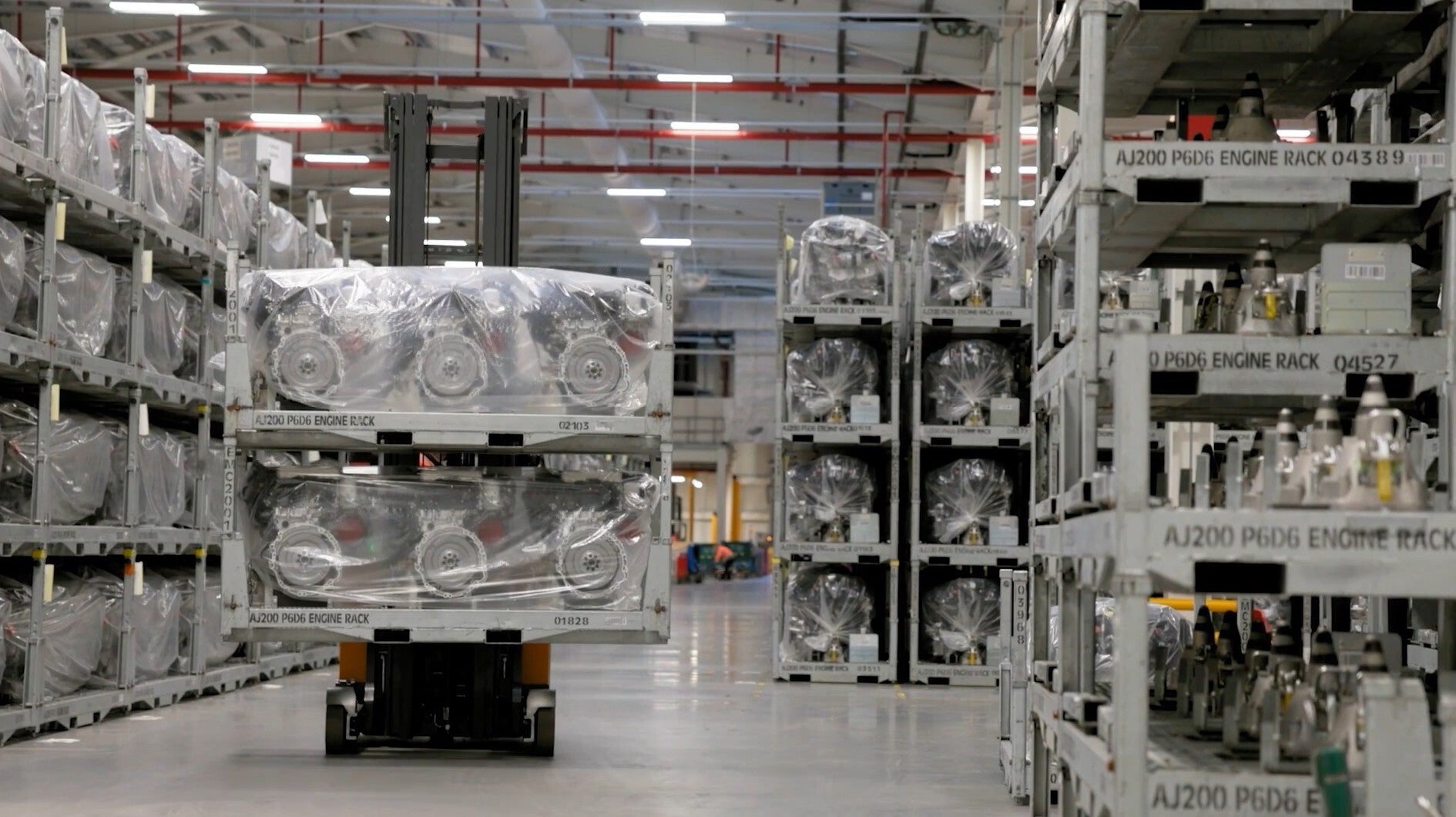
The company employs about 30,000 people across the UK and makes most of its cars in factories in the country, including at Solihull, West Midlands, and Halewood, Merseyside.
A JLR spokesperson said: “Over the past three years, we have strengthened our House of Brands and transformed our product portfolio for the next generation.
“As we deliver the next phase of our strategy, we need to adapt to evolving global market conditions while targeting approximately £1.7 billion of savings over the next two years and reduce break-evens to 300,000 vehicles. To achieve this, we must further simplify our organisation, improve efficiency and build greater resilience.”
The company confirmed it had informed colleagues and trade union partners of the voluntary redundancy programme, adding it would “share further information with our colleagues first”.
A Government spokesperson said: “We understand that this will be an uncertain and concerning time for affected workers, their families and wider communities.
“We have taken significant action to back the UK automotive industry by lowering electricity bills for manufacturers, providing £4 billion of capital and R&D funding to manufacture zero-emission vehicles (ZEVs) and launching a £2 billion electric car grant to encourage people to buy EVs (electric vehicles).”
Unite general secretary Sharon Graham said: “Death by a thousand cuts has been going on under the nose of successive governments.
“Years of under-investment, unsustainable ZEV mandates and high industrial energy costs are crippling the industry. There must be further action.
“There have been intensive Government discussions over the weekend to look at how to mitigate these job losses at JLR.”
JLR revealed last month that revenues fell by 9.6% year-on-year to £6 billion for the three months to June 30, driven by a 9.2% decline in car volumes.
It came after production was heavily disrupted by a raft of factors, including a fire at a supplier’s factory.
JLR briefly paused production for its Range Rover and Range Rover Sport models at its Solihull plant in March after a major fire at the factory of a component manufacturer in Norway.
Car sales volumes have also been impacted by Jaguar’s decision to stop the production of numerous diesel and petrol-run models, including its F-Pace.
Jaguar is shifting its focus to electric models as part of a strategy overhaul to boost the brand’s fortunes.
JLR reported a pre-tax profit, before exceptional items, of £109 million for the quarter, compared with a £351 million profit a year earlier.
Profit margins were knocked by a one-off provision linked to US fuel economy rules, which partially offset reduced US-UK tariffs.
Earlier this year, JLR said it planned to cut around £1.7 billion in costs over the coming years to help support its recovery.
The firm has been recovering from the cyberattack last year, which had a major impact on the business, its employees and the wider UK economy.
The car maker was forced to stop production at its UK factories for five weeks from September 1 last year, which weighed on sales in late 2025 and led to heavy financial losses.
Unite general secretary Sharon Graham said: “Unite has been warning that a perfect storm has been hanging over the auto industry for years.
“Death by a thousand cuts has been going on under the nose of successive governments. Years of underinvestment, unsustainable ZEV mandates and high industrial energy costs are crippling the industry. There must be further action.
“There have been intensive government discussions over the weekend to look at how to mitigate these jobs losses at JLR.
“The business secretary, Jonny Reynolds and myself are meeting the CEO of JLR next week. Unite was pivotal in securing the £1.5 billion government facility for JLR after the cyber attack.
“Once again, we will leave no stone unturned to support these workers. It cannot be acceptable that workers again are made to pay the price.”
Unite national officer Des Quinn said: “Unite has long called for a just transition. This is an incredibly worrying and stressful time for JLR workers. Unite is working round the clock to deliver the best possible outcome.”

