

There are health screenings at all points in life that you just shouldn’t miss, doctors say.
But some 90 percent of Americans aren’t keeping up with screenings, according to a 2025 survey from insurance company Aflac.
Screenings are a crucial part of preventative measures for a range of illnesses including cancers, heart problems and neurological disease. Many screenings for common diseases are covered by insurance.
If people don’t have health insurance and want a screening for cancer or another disease, there are low-cost and free programs offered in all 50 states. Both the Centers for Disease Control and Prevention and Prevent Cancer Foundation list resources for colorectal, breast, lung, prostate and cervical cancers online.
“Preventive screenings are one of the most powerful tools we have in medicine,” Dr. Charles Wang, an assistant clinical professor at the University of Texas Medical Branch, said in a statement. “When we catch conditions early, we often have more options and better outcomes.”
Ages 0-2
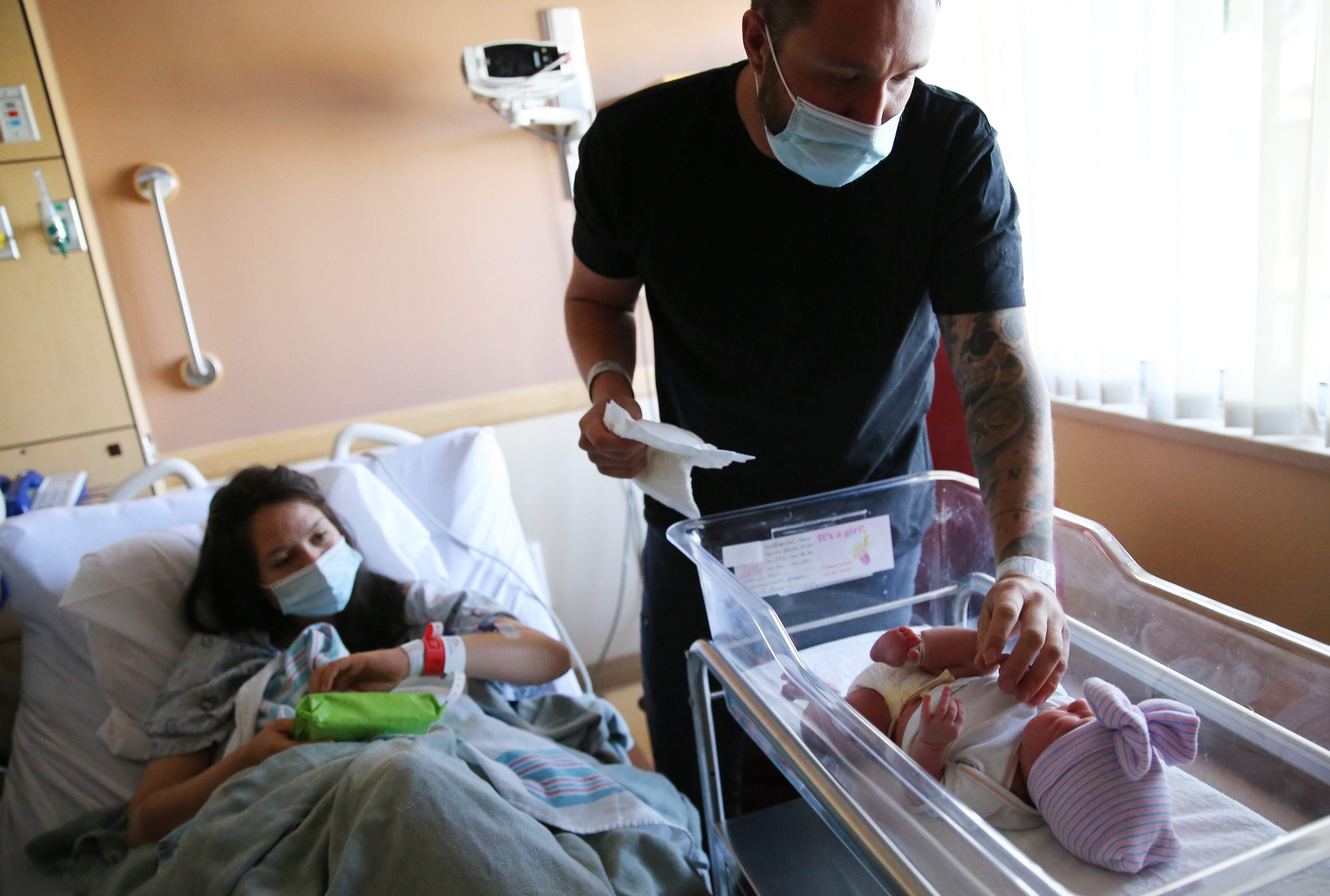
Babies are screened moments after birth and then multiple times in the first 24-48 hours.
Doctors typically take blood samples from a baby’s heel during after-birth screenings to test for rare genetic and hormonal disorders, according to the CDC.
In the first year, babies should have general health check-ups with their pediatrician – typically in the week after birth, then first, second, fourth, sixth, and ninth months, the American Academy of Pediatrics says.
Doctors check eyesight, hearing, body weight, height, genitalia and behavior and movement.
There are also vaccines recommended at milestone ages, such as a Hepatitis B dose at birth and the first doses of the chickenpox and measles-mumps-rubella vaccines at the one-year mark.
After a child’s first birthday, they should have check-ups at 15 and 18 months, as well as around their second birthday. Autism assessments are usually done at 18 and 24 months.
Ages 3-12
After the third birthday, yearly check-ups are the standard, the academy says.
These screenings often occur as children go back to school from summer vacation, measuring heart rate and blood levels to check for lead poisoning and anemia.

Doctors also assess the body mass index of the child, a measurement that shows whether someone is at an unhealthy weight in relation to their height.
Vision, hearing and dental checks are also done annually during these years of childhood.
Ages 13-17
With the teenage years comes puberty, and potentially drinking and sexual activity.
Teens may be screened for drug and alcohol use, as well as sexually transmitted infections, without their parents’ permission, depending on local laws.
Mental health screenings are also recommended by the Department of Health and Human Services. These are typically carried out by pediatricians. Depression has been increasing in U.S. teens since before the pandemic, with around 15 percent experiencing major depression in 2025, according to the National Survey on Drug Use and Health.
Ages 18-39
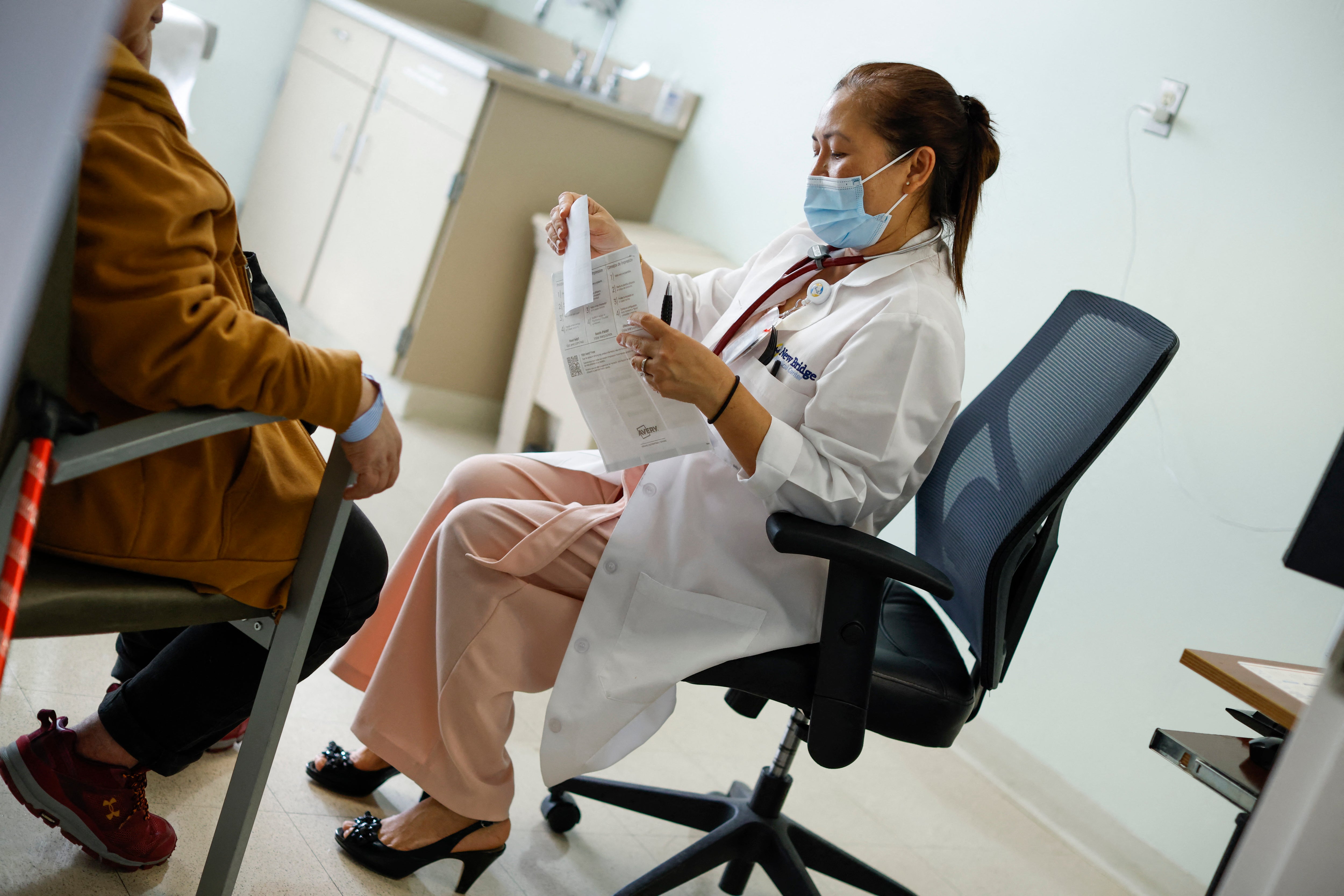
In early adulthood, the risk for chronic illness increases. Yearly physical exams that evaluate overall health are recommended for everyone over 18.
Cholesterol checks are recommended every five years from the age of 18. High cholesterol raises the risk of diabetes.
More than half of Americans aged 18-34 had at least one chronic condition in 2022, CDC research shows, including obesity, depression and high blood pressure.
From age 18, doctors recommend that people start checking their skin for signs of cancer.
Pap smears, that test for hallmarks of cervical cancer, are recommended for women starting at age 21, according to the CDC.
Ages 40-64
People in their forties are encouraged to continue the screenings that started from early adulthood with some important additions.
Mammograms to screen for breast cancer are recommended for women annually starting at age 40, according to the American Cancer Society.
Both men and women should screen for colon cancer from age 45. More young people are dying from the disease. If there’s a family risk, these screenings should start sooner.
Over 50, the risk for disease increases and so do the recommended screenings. Doctors recommend a hearing test every decade, a bone density test and prostate screening yearly. However, the Cleveland Clinic says exams should be done earlier – at age 45 – for men at a higher risk of prostate cancer.
Ages 65 and up
At ages 65 and older, Americans should be screened for Alzheimer’s disease and other forms of dementia every year.
Some doctors recommend screenings for abdominal aortic aneurysm, a bulge in the aorta running through the belly, in women at this age. The aneurysm is more common in women with a history of smoking, but men – who have a higher risk – should be screened starting at age 50, the Cleveland Clinic notes.

