
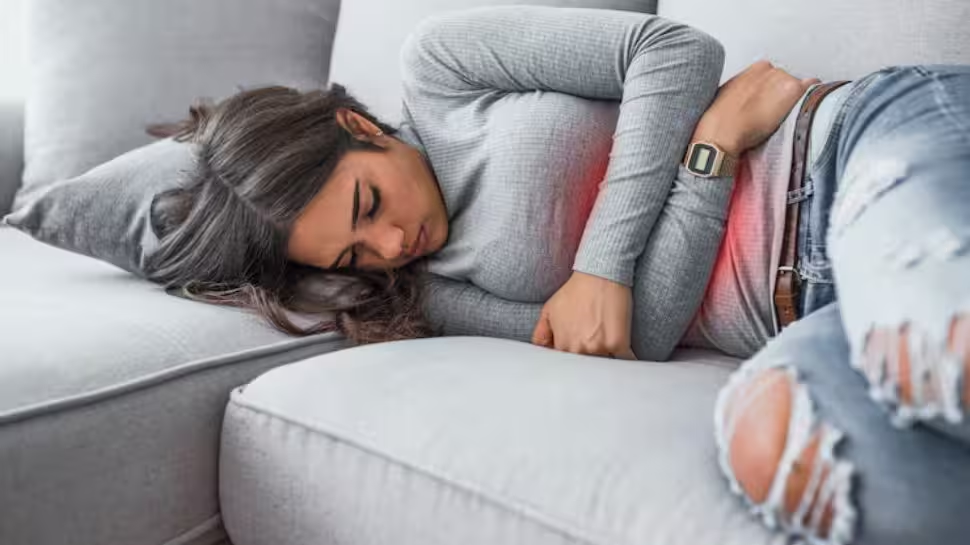
Periods are more than a monthly inconvenience, they influence energy, mood, school performance and self-confidence. As menstrual health moves from whispered stigma to mainstream public-health priority, brands and health leaders must offer practical, empathetic guidance grounded in the latest evidence.
Pain relief and community health, recognises that empowering teenagers starts with every day, science-backed habits that meaningfully improve their menstrual experience. The following seven practices help build resilience, ease symptoms, and support greater confidence. Dr. J. Ravichandran, Associate Vice President- R&D, Amrutanjan Healthcare shares 7 period- wellness habits for teenagers to feel confident and healthy.
1. Hydrate deliberately — water matters
Staying well hydrated isn’t just “good for you”, it can reduce pain and the need for painkillers during periods. Clinical studies and reviews indicate that adequate water intake may lessen cramps and shorten bleeding duration, probably by reducing pelvic muscle tension and concentrating menstrual prostaglandins less. Making a hydration plan (a reusable bottle, water reminders, warm water during cramps) is an easy, low-cost first step. Keep a 500–750 ml bottle at your desk and sip frequently. Warm drinks (like warm water or herbal kadha) can be especially soothing during cramp days.
2. Prioritise iron-rich, balanced eating — protect energy and concentration
Teenage girls are at higher risk of iron deficiency because of growth, poor diet and menstrual blood loss. Iron supports energy, cognition and immune health; low iron can make fatigue and brain fog worse during periods. International public-health guidance stresses dietary iron and routine screening where prevalence is high, especially in South Asia.
Incorporating iron-rich foods (leafy greens, legumes, eggs, fortified cereals) and vitamin-C sources (to boost iron absorption) should be routine. For those with heavy bleeding or clinical anemia, medical evaluation and supplements may be needed. Make one iron-forward swap a day, add spinach or moong dal to a meal and a small orange or amla on the side to help absorption.
3. Move a little — light aerobic activity eases cramps and lifts mood
A growing body of evidence shows that regular light to moderate aerobic exercise (walking, cycling, yoga) can reduce pain intensity and duration for primary dysmenorrhea in adolescents and young women. Exercise also improves mood and sleep, two factors that make period days feel less overwhelming. Encourage short, consistent activity sessions (20–45 minutes, several times a week) rather than last-minute “pushes” only when cramps start. Short class-time stretches, a brisk walk with friends, or a 20-minute home yoga flow can be built into school days.
4. Track the cycle — knowledge is confidence
Tracking periods helps teenagers anticipate symptoms, plan rest days, and spot patterns that merit a doctor’s opinion (heavy bleeding, irregularity, very severe pain). Modern cycle-tracking apps have made it easier for teens to log moods, pain, flow and sleep, turning vague anxiety into actionable insight. Tracking is also an entry point for conversations with caregivers and health professionals when things are off track. Encourage a simple, private habit: note start/end dates and two symptom flags (e.g., “heavy flow”, “bad cramps”) each month. Over 3–4 cycles you’ll see useful patterns.
5. Sleep and rest are hormonal medicine
Quality sleep helps regulate hormones that interact with the menstrual cycle. Poor or insufficient sleep is linked to worse menstrual symptoms and premenstrual disturbances. Teenagers, who already face academic pressures and screen time, benefit significantly from consistent sleep schedules and sleep-friendly habits (dark room, no screens 30–60 minutes before bed). Prioritising rest is not indulgence; it’s a physiological strategy. Aim for consistent bed and wake times, and a 30-minute wind-down routine (reading, gentle stretching, warm shower).
6. Use safe, hygienic products — reduce infection risk and stigma
Access to and correct use of menstrual products is a public-health priority. Using clean, well-made pads, tampons, menstrual cups or reusable options, and changing or cleaning them as recommended, reduces infection risk and improves comfort. International guidance emphasises both product safety and the need to remove stigma so teens can manage menstruation without shame. Teach disposal and hand-hygiene practices and, where possible, present reusable options along with clear cleaning instructions.
7. When to seek help — don’t normalise severe symptoms
Many teens suffer in silence because “period pain” is dismissed as normal. Persistent, debilitating pain that prevents school or sleep, very heavy bleeding, or very irregular cycles deserve medical attention, these can be signs of treatable conditions (endometriosis, fibroids, bleeding disorders, severe anemia). Early evaluation saves years of lost schooling, stress and delayed diagnosis..
Menstrual health is increasingly framed as a human-rights and public-health issue, not just a private concern. The WHO and other agencies call for policy, education and product access that remove barriers for girls and young women. Women’s wellness means pairing safe, effective pain-relief solutions with community outreach, school education, and health-programme partnerships so girls have both the support and the knowledge to thrive.

