Want to bookmark your favourite articles and stories to read or reference later? Start your Independent Membership today.
Already a member?
Log in
The Duke of Sussex has opened up about his mental health difficulties after relocating to Canada in 2019, revealing he “slipped into depression” for two weeks.
Prince Harry was speaking with neuroscientist and University of Arizona professor Mary-Frances O’Connor in an interview released on Thursday for video learning platform MasterClass. He also spoke about the “adrenaline crash” he experienced after he left the UK with his wife Meghan to “get some space away”.
The Sussexes lived on Vancouver Island with their baby son Archie before they quit the working monarchy early in 2020 and eventually moved to the US. Last month they made an unexpected return to the UK after spending about six years in the US.
“Being in Canada, away from the stressful environment where, presumably, my body was just pumped full of adrenaline, within two or three days, I experienced this adrenaline crash, something that I’d never experienced before,” he said.
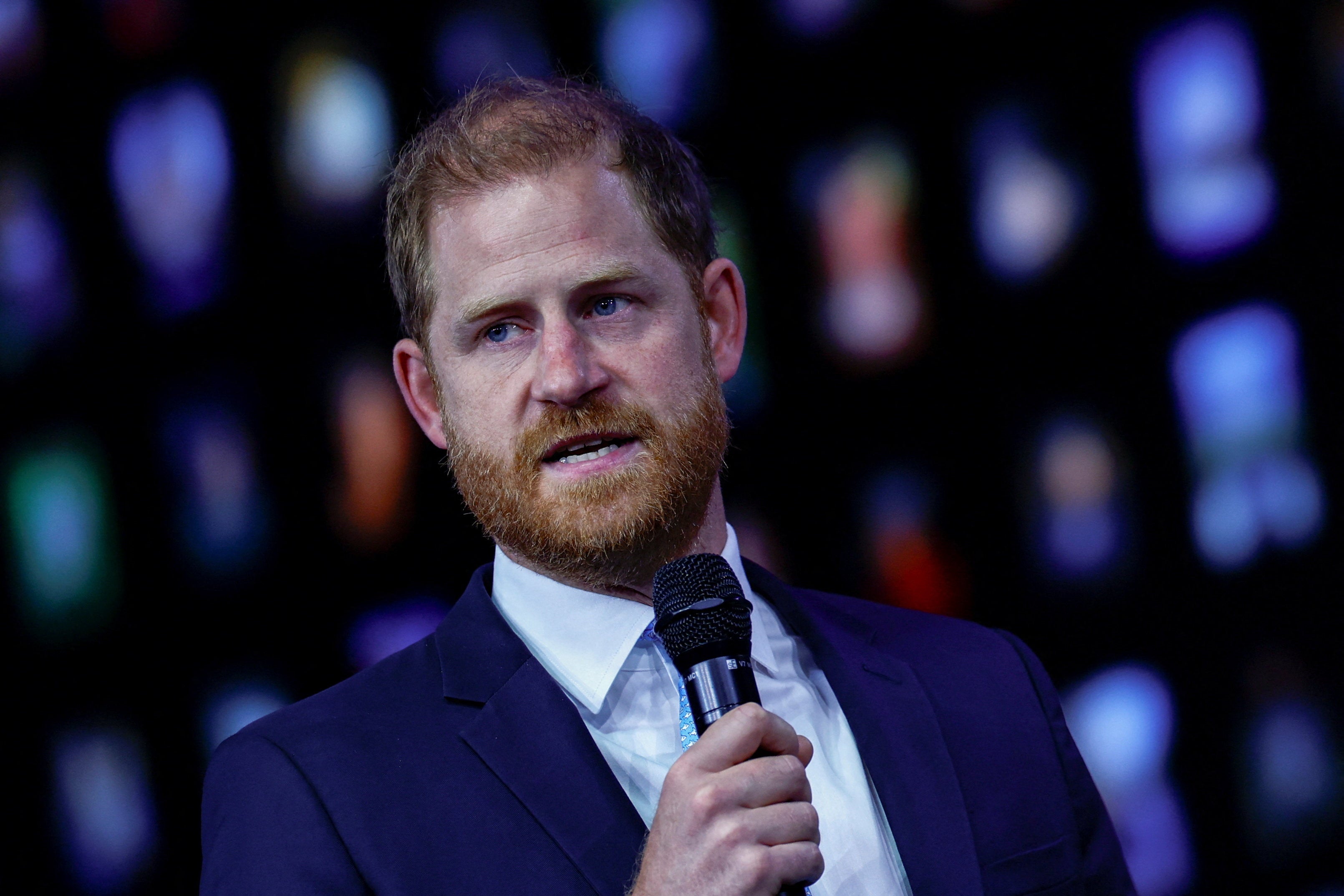
“It was as if I needed stress in order to get the adrenaline to make my brain function because I became useless around the house.
“I actually slipped into depression for about two weeks and I felt like I couldn’t function without adrenaline.”
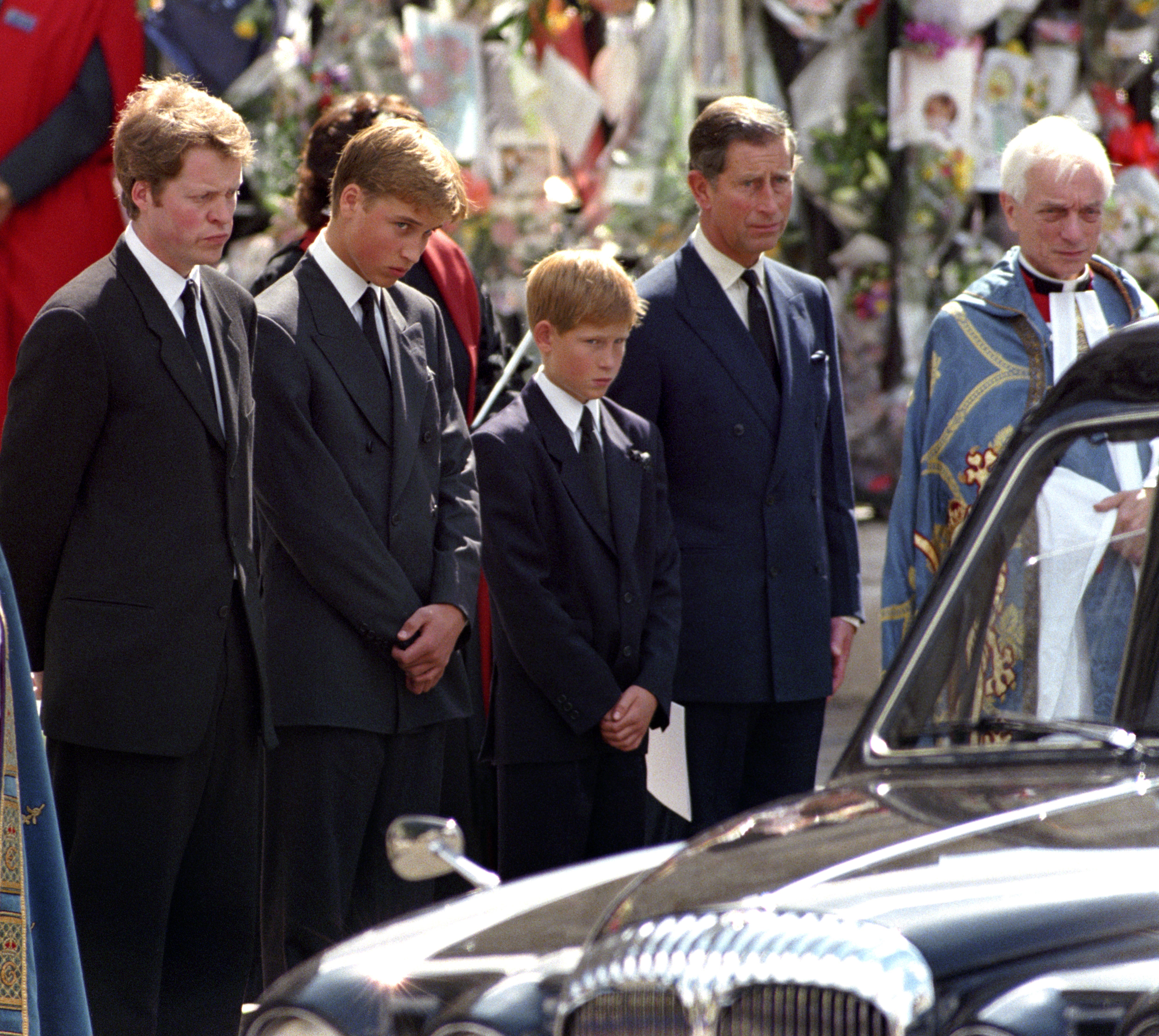
He also described feeling “emotionally numb” after the death of his mother Diana, Princess of Wales, as he felt “disloyal and guilty for the possibility of being happy and joyful without her”.
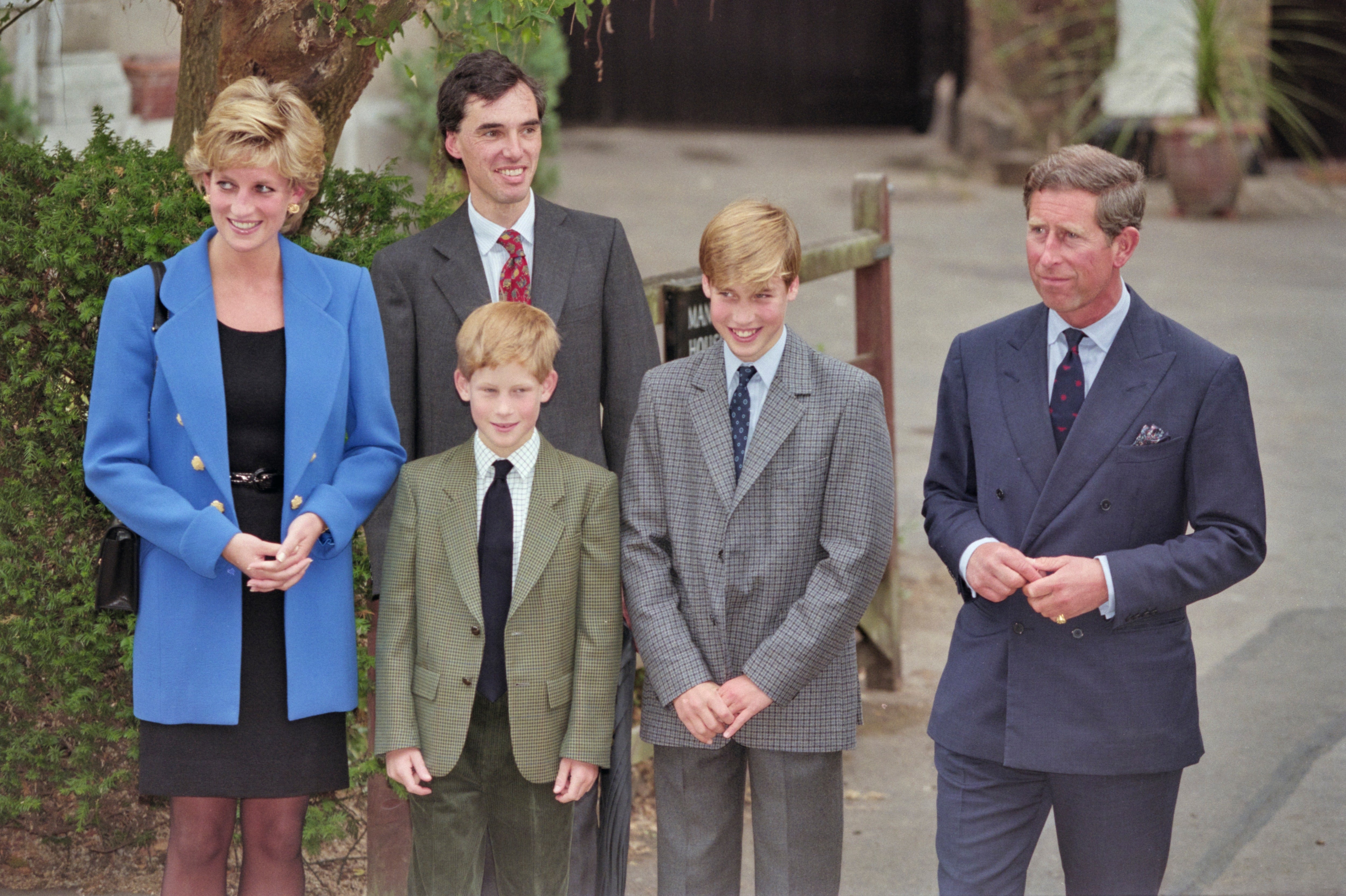
He and his brother Prince William have previously discussed their struggles with mental health, including after the death of their mother in a car crash in Paris, and have been involved in supporting mental health charities.
Prince Harry, who was 12 at the time of Diana’s death, said: “I consider myself a student of grief.”
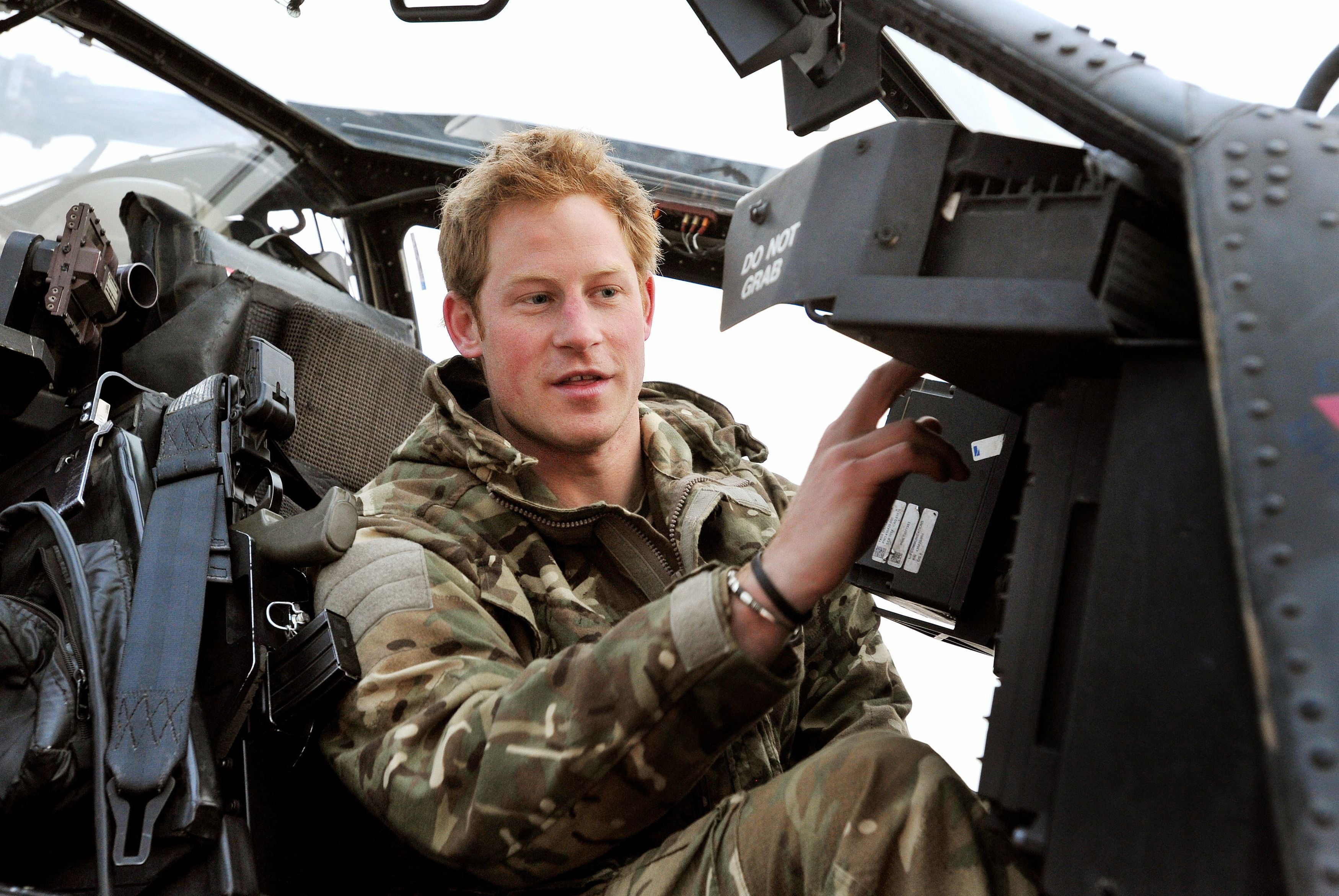
“In my 20s, I went to war twice thinking I could outrun my feelings,” the duke said, referring to the period he served in Afghanistan as a member of the Army. “But that’s not what happened.
“I’d spent so long emotionally numb, to a large extent, because I felt disloyal and guilty for the possibility of being happy and joyful without her.
“I felt like I had to be sad and I had to be emotionally numb in order to prove to her that I missed her.”
Harry says he did not cry for nearly two decades after his mother’s death.
He also described forgetting his mother’s laugh. When a therapist suggested that he try spraying her perfume, he said it helped him “unlock everything that had been locked previously”.
“The reality is, what I discovered was actually she just wanted me to be happy.”
Professor O’Connor said: “Your brain doesn’t register your loved one as gone – it registers them as lost.
“And it will keep searching until you teach it otherwise. We still expect that they’re going to walk through the door.”
MasterClass said that in his session, Prince Harry shares his reflections on loss and “the path he took to discovering his purpose”. The online learning platform charges membership fees ranging from £120 to £228.
According to People, MasterClass had approached Harry last year about developing a class around loss and grief. Filmed in California early this summer, it was released ahead of World Mental Health Day on 10 October.
Harry said that his charitable work has given him a meaningful way of carrying his mother’s legacy forward.
“Everything I do, everything I put my energy towards, I hope that my mother will be proud about it,” he said. “Trying to continue and protect her legacy, what I didn’t realise was the work that I ended up choosing, or the work that I ended up getting drawn in and attracted to, was so similar to the work that she was doing.
“With grief comes this, it’s not so much responsibility, but this carrying of the person that you’ve lost throughout your life,” he added. “There is an element of carrying my mother in me that ultimately energises me for the work that I do.”