
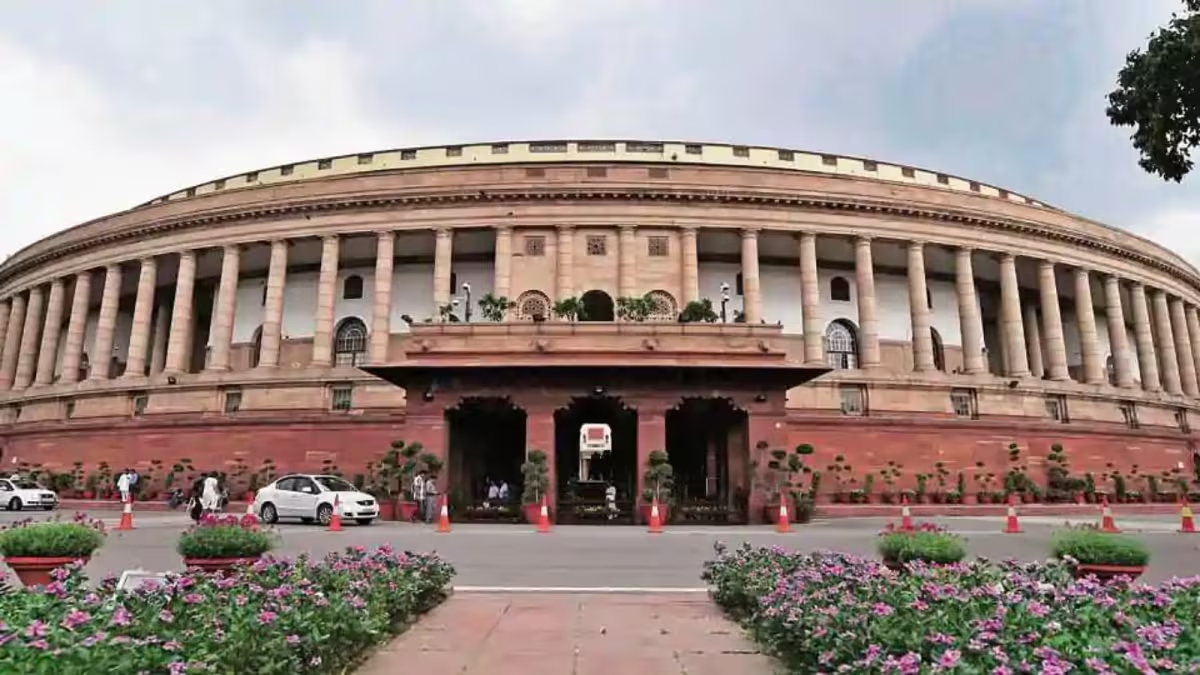
The Union Budget is usually about numbers, policies and long speeches but over the years, it has also turned into a moment where style gets noticed. Every Finance Minister walking into Parliament on Budget Day brings their own sense of dressing, shaped by the time they lived in and the politics they represented. Some kept it formal, some stayed deeply traditional and others let Indian textiles do the talking. These appearances often stayed in public memory just as much as the announcements themselves.
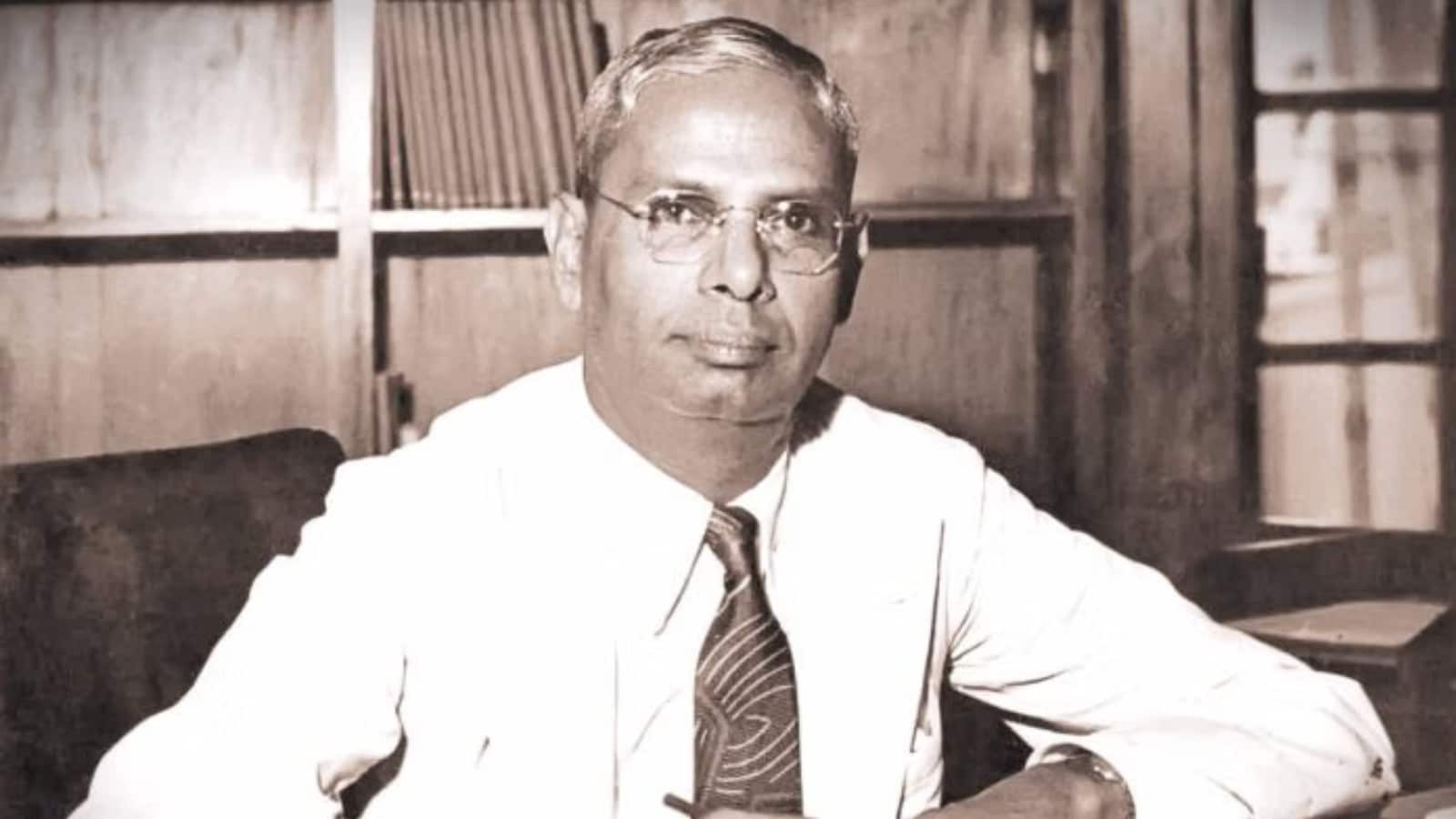
The first Union Budget of independent India was presented by R. K. Shanmukham Chetty on November 26, 1947. He wore a dark pinstripe three-piece suit, white shirt and a tie. He finished the look with round, rimless spectacles and neatly side-parted hairstyle. One detail that stood out was the leather satchel he carried. That simple bag started the tradition of Finance Ministers walking in with a budget briefcase.
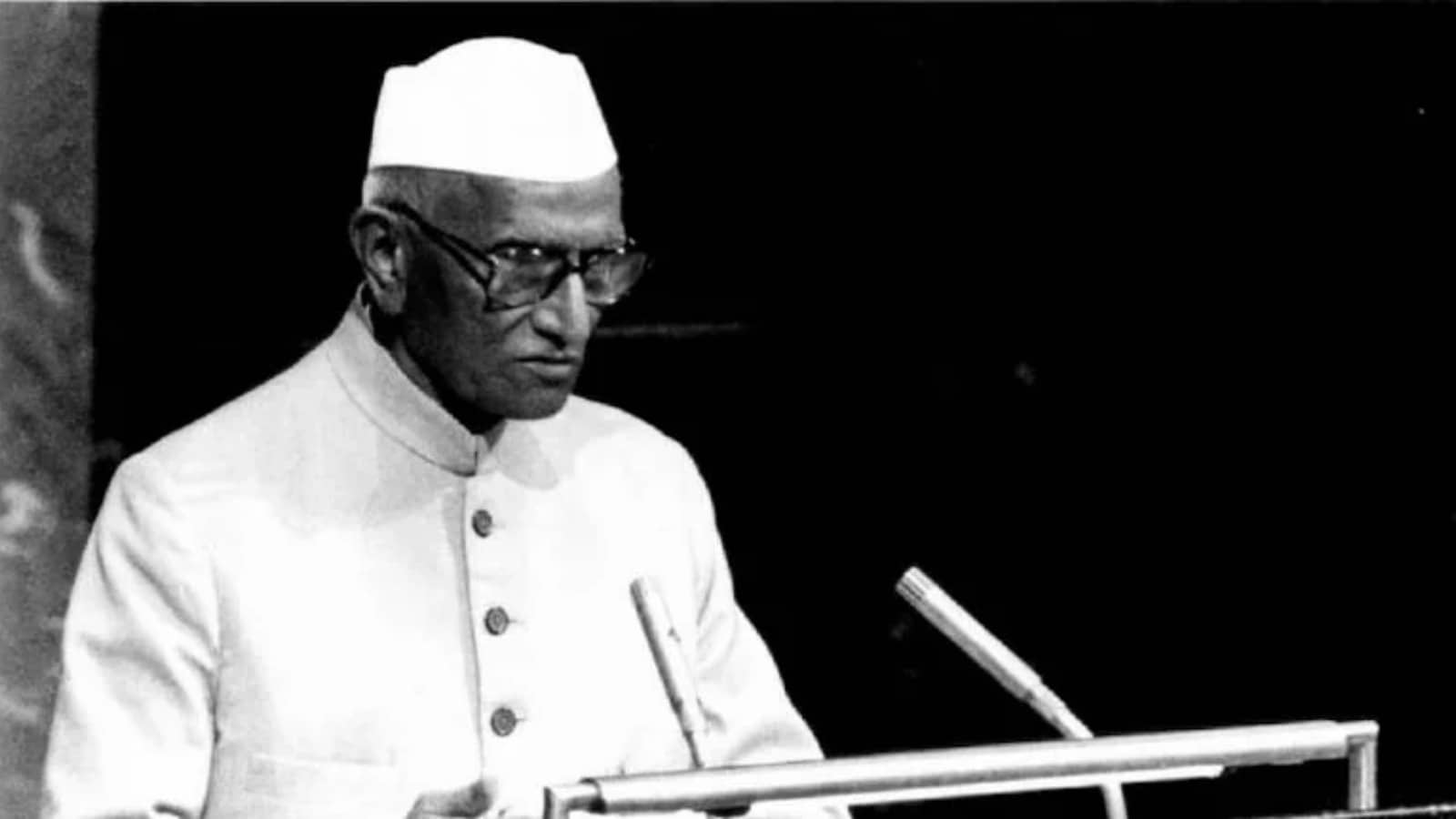
Morarji Desai holds a rare record of presenting the Union Budget ten times and his clothing stayed rooted in his personal beliefs. A strong follower of Gandhian values, he stayed away from flashy dressing. He usually wore a simple kurta-pyjama with a Nehru jacket during Budget presentations. One striking detail was his Gandhi cap which very few Finance Ministers have worn inside Parliament.
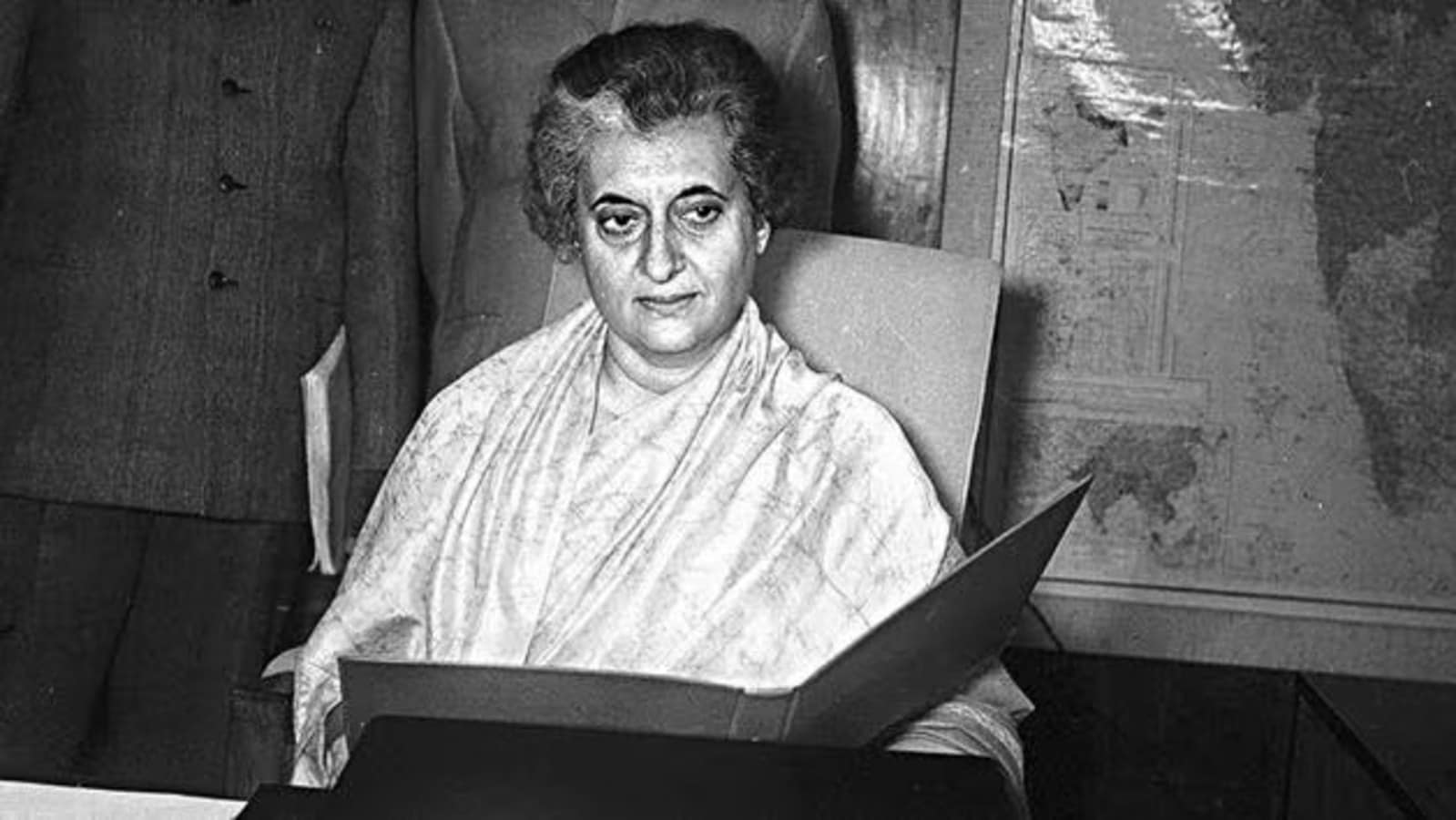
Indira Gandhi made history by becoming India’s first woman Finance Minister while also serving as Prime Minister. She presented the Union Budget between July 1969 and June 1970. She wore a simple saree paired with a grey shawl. The saree was usually handloom which was elegant and without heavy design. She often covered her head with the pallu to keep her appearance understated.
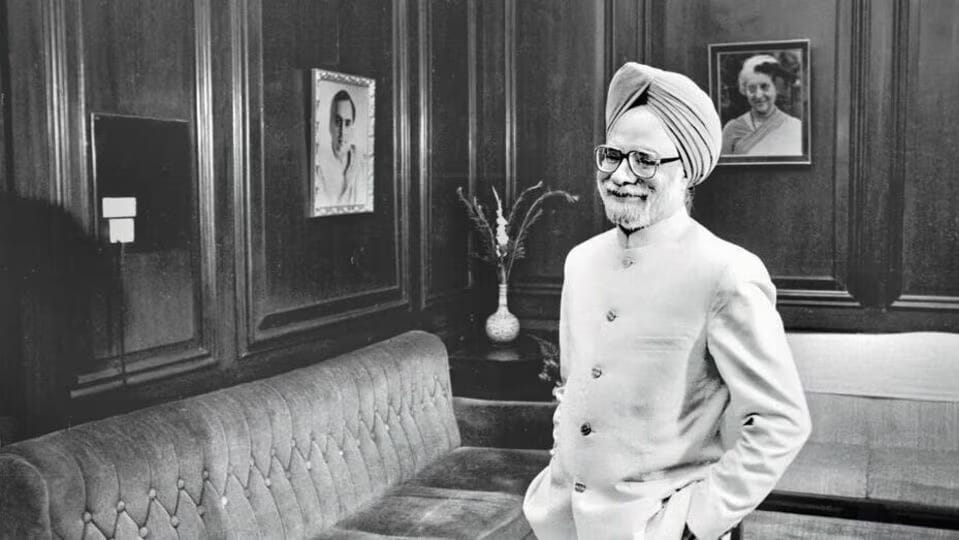
Manmohan Singh’s Budget appearances during the early 1990s came at a time of major economic change. As Finance Minister from 1991 to 1996, he presented budgets that reshaped India’s economy. Along with his policy decisions, his appearance became instantly recognisable. He consistently wore a formal suit during Budget presentations. The powder blue turban he paired with it became his signature. Over time, that turban turned into one of the most remembered visuals from Budget Day history.
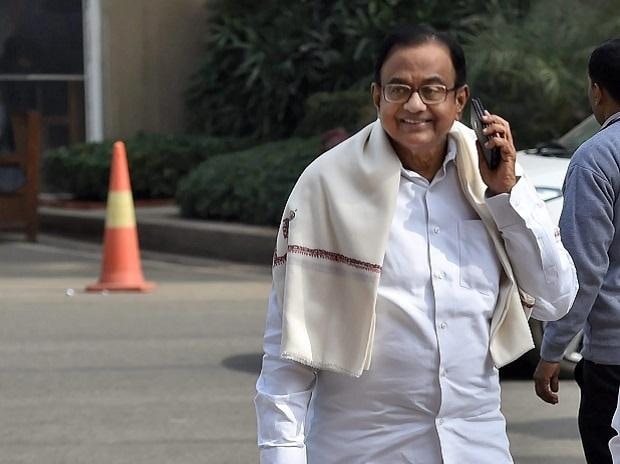
P. Chidambaram always kept his Budget Day dressing firmly rooted in Tamil tradition. No matter which tenure it was, his look almost never changed. He usually walked into Parliament wearing a plain white veshti or dhoti, along with a white shirt. This style is commonly seen in Tamil Nadu during formal and important occasions. Reports often noted that he chose fine cotton veshtis with a very thin, barely noticeable border.
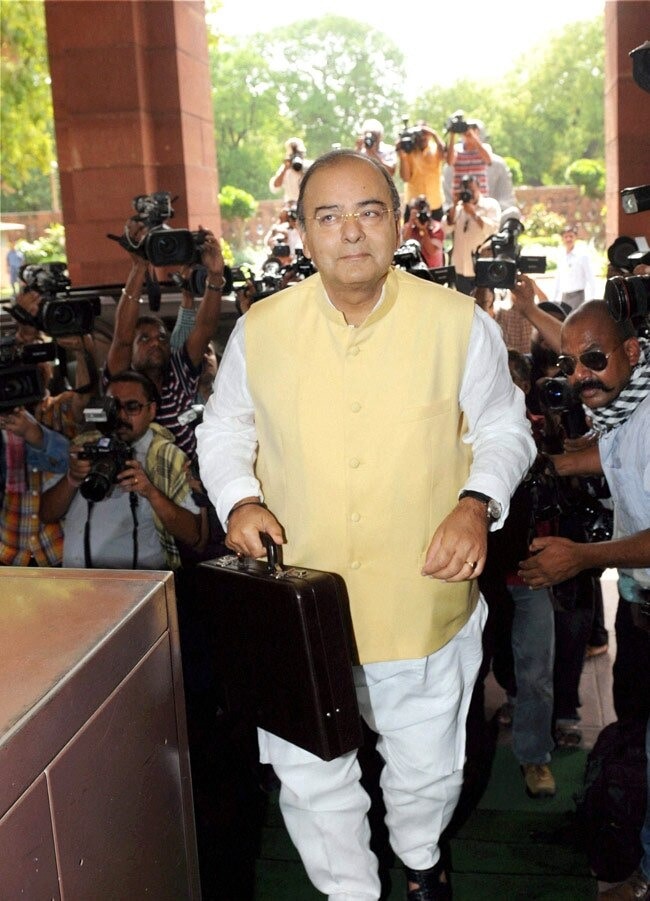
Arun Jaitley served as Finance Minister from 2014 to 2019 during Prime Minister Narendra Modi’s first term. His tenure saw major economic decisions like the rollout of GST in 2017 and the demonetisation move in 2016. While his policies often made headlines, his Budget Day appearance also became instantly recognisable. Jaitley usually chose Indian formal wear for the big day. He was almost always seen in a kurta-pyjama paired with a Nehru jacket. The jacket became his signature and its colour changed nearly every year.
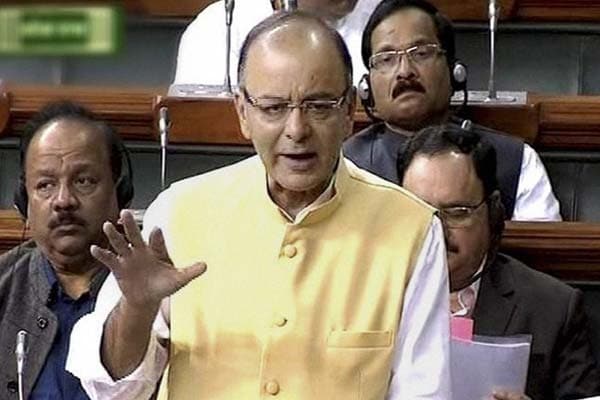
For his first Budget in 2014, Jaitley wore a yellow Nehru jacket over an off-white kurta-pyjama. In the following years, he switched to deep blue in 2015, powder blue in 2016 and black in 2017 with a chocolate-coloured kurta. He mostly stuck to white or off-white kurta-pyjama sets made of cotton or silk. During winter sessions, he would sometimes complete the look with a traditional Indian shawl.
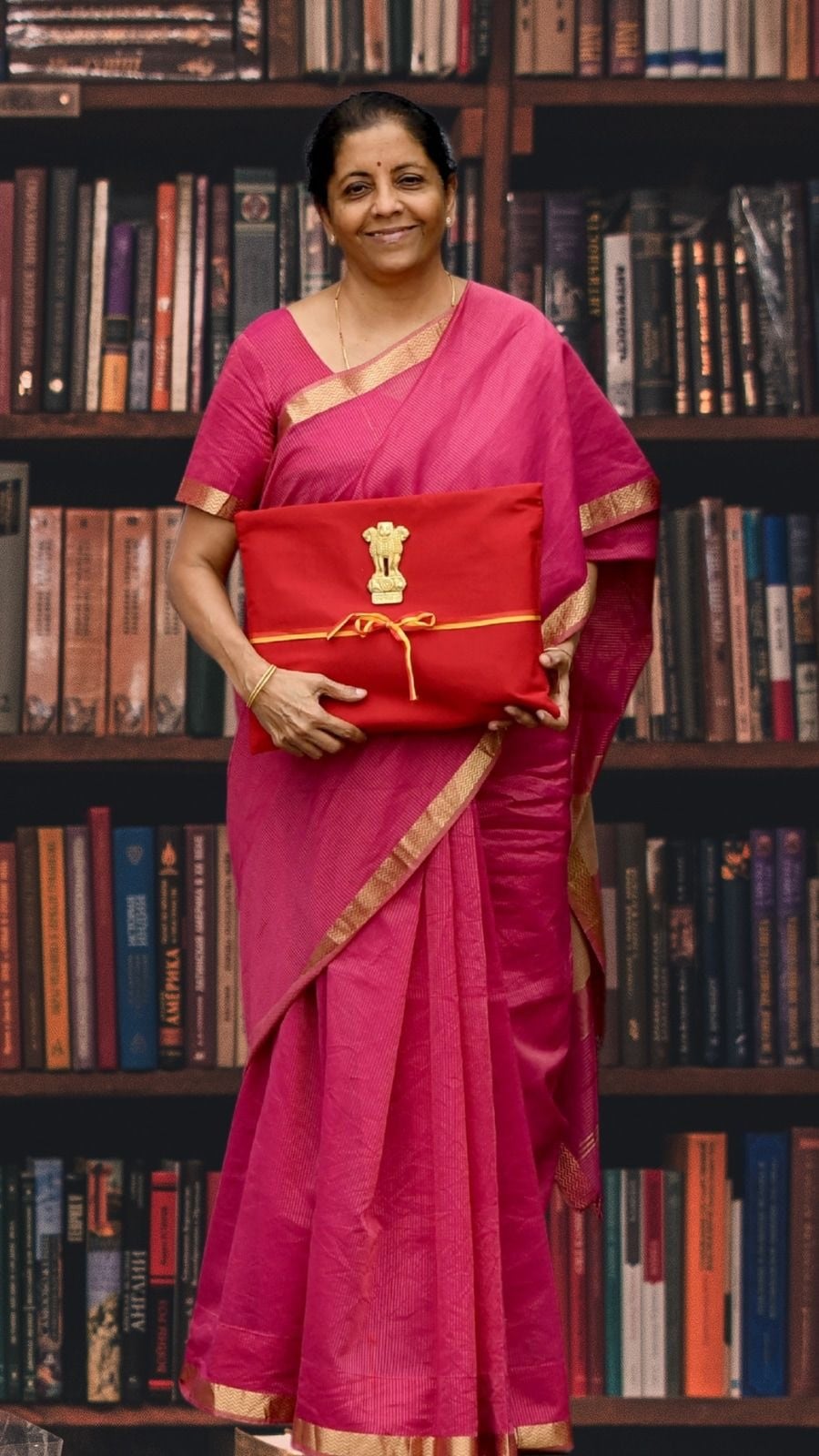
Nirmala Sitharaman’s Budget Day dressing has stood out in recent years for its strong focus on handloom sarees. She has now become the longest-serving continuous Finance Minister in India’s history. On Sunday, February 1, she is set to present her ninth consecutive Union Budget. Over the years, each Budget appearance has featured a saree from a different part of India. In 2019, her first Budget, she wore a pink Mangalgiri silk saree with a gold border. In 2020, she appeared in a yellow-gold silk saree with a blue border.
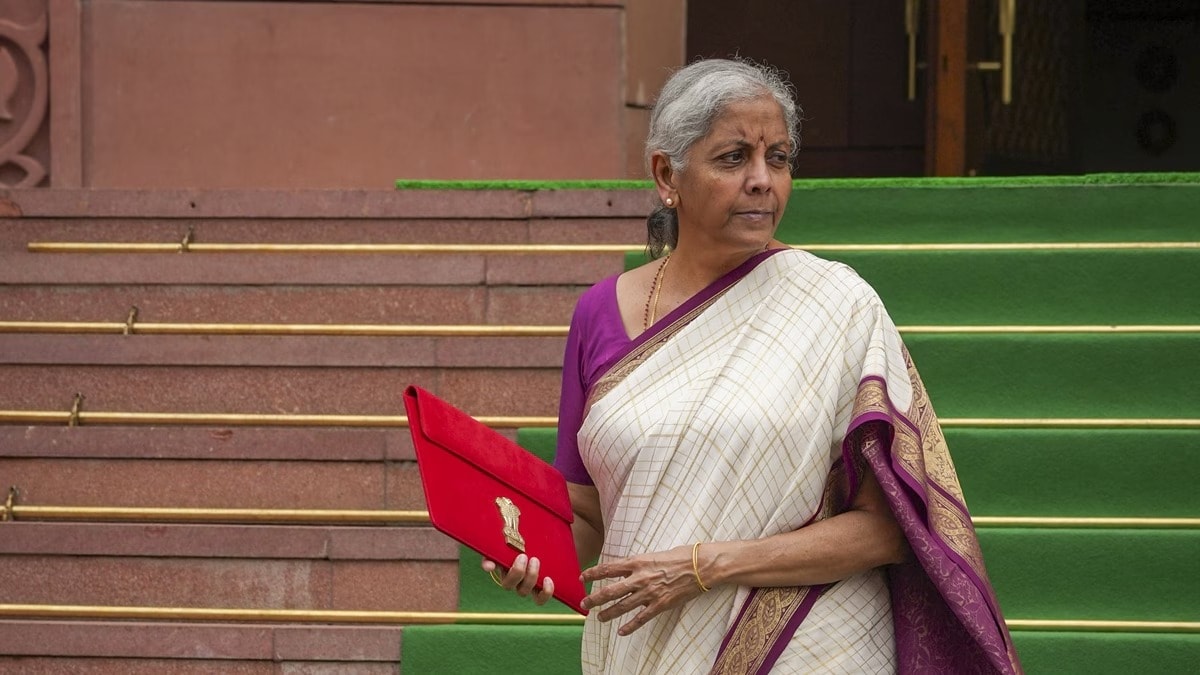
In 2021, Sitharaman wore a red and off-white Pochampally silk saree from Telangana with ikat patterns. The 2022 Budget saw her in a terracotta Bomkai saree from Odisha in brown and maroon shades. In 2023, she chose a red silk saree with black Kasuti embroidery from Karnataka. For the 2024 Interim Budget, she wore a blue Tussar silk saree with Kantha work from West Bengal, followed by an off-white Mangalagiri saree with a magenta border in July. In 2025, she arrived in a cream Madhubani hand-painted saree from Bihar, gifted by Padma Shri awardee Dulari Devi.

