
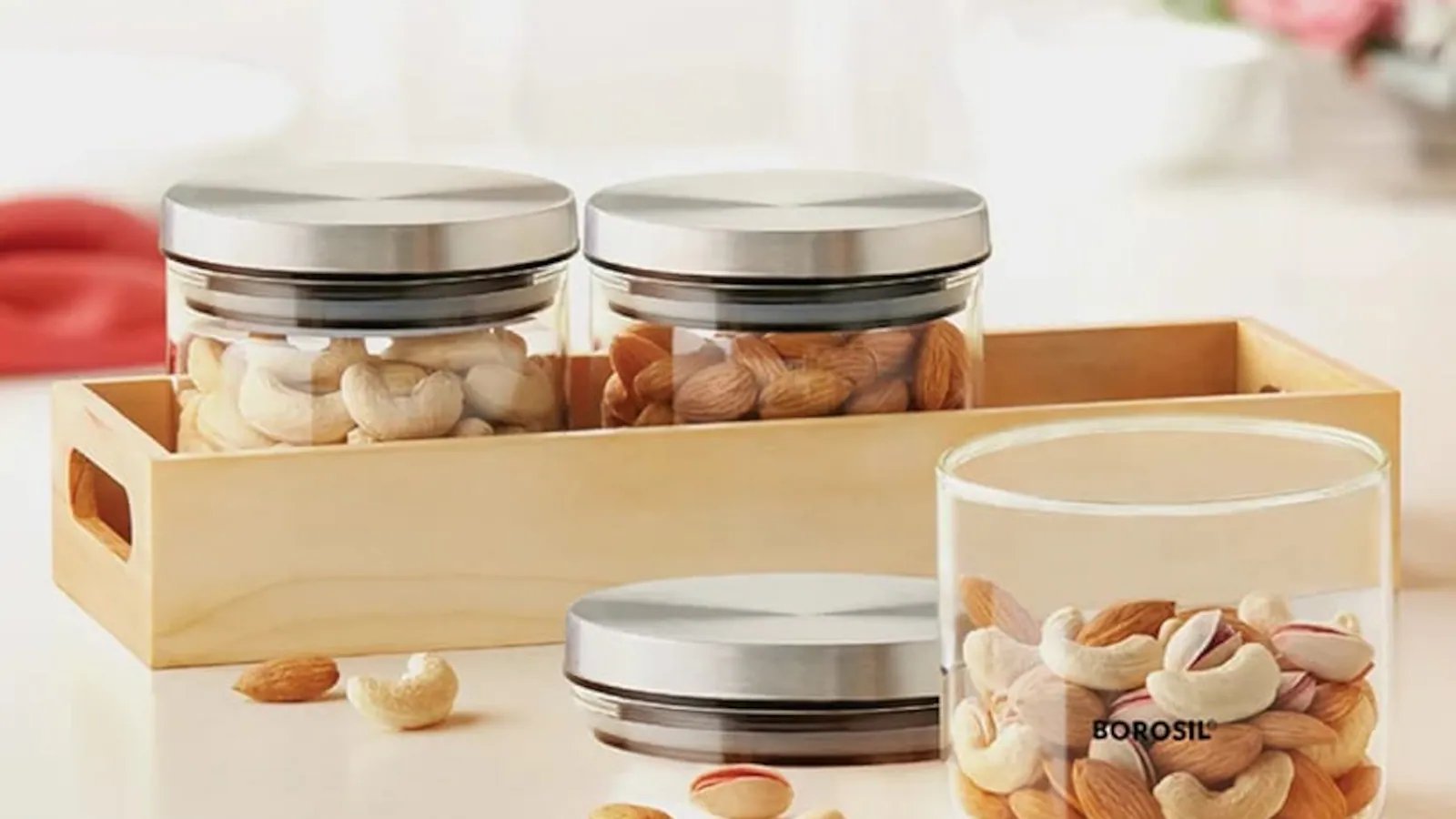
That Borosil bowl you use every day, the one that goes from freezer to microwave without a fuss, is made of the same quality of glass that’s used in pharmaceutical research, space shuttles and nuclear waste storage! It’s not a marketing exaggeration. It’s just chemistry.
Borosil’s glassware is made from borosilicate glass, a material that doesn’t expand or crack the way regular glass does when it hits sudden heat or cold. That’s why your bowl survives the microwave one minute and the fridge the next, while a regular glass container would eventually crack under that stress. This same property is exactly why borosilicate glass is used in research labs for beakers and flasks, in astronomical telescopes, in thermal tiles that protect space shuttles during re-entry, and even in containers built to hold nuclear waste, as mentioned on the Borosil website.
Borosil has been making this kind of heatproof glass in India since 1962. For most of us, that’s just meant reliable kitchenware, but there’s a bigger story behind it.
Also Read: 5 Easy Tips To Keep Your Everyday Food Containers Fresh (And Smell Free!)
Borosil’s team also built the fully tempered 2mm solar glass, thinner than the standard 3.2mm or 4mm sheets, but still tough enough to handle extreme temperatures.
Also Read: 5 Types Of Containers That Are A Must In Every Kitchen
Borosil’s 2mm solar glass is thinner than the standard sheets
Photo Credit: Borosil Website
So the same low-expansion, high-purity glass chemistry from a brand that keeps your dal from cracking your storage box is also powering India’s solar energy push.
It’s incredible for something you probably just use to store and reheat leftovers.
About Neha GroverLove for reading roused her writing instincts. Neha is guilty of having a deep-set fixation with anything caffeinated. When she is not pouring out her nest of thoughts onto the screen, you can see her reading while sipping on coffee.

