
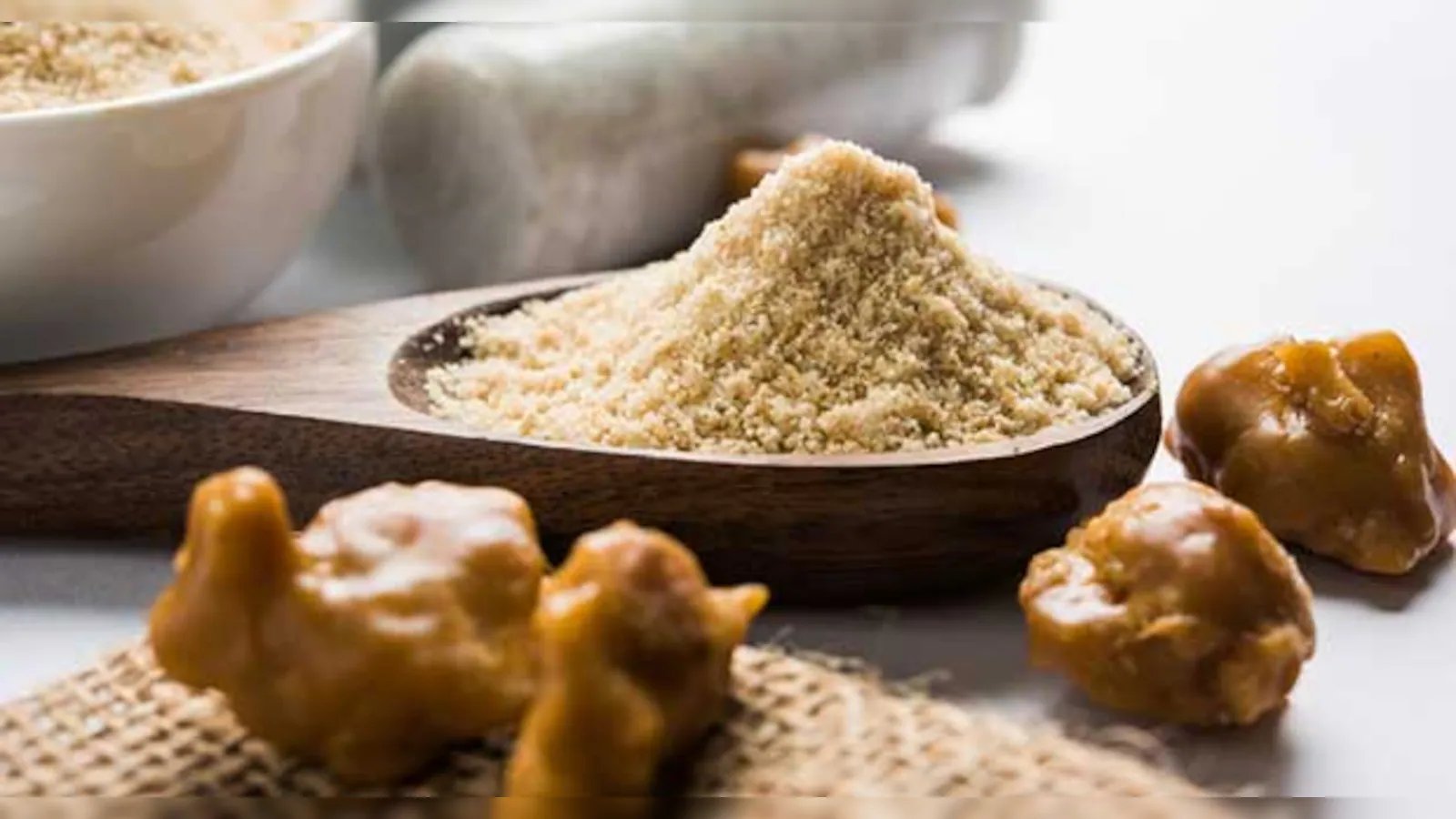
Asafoetida, commonly known as hing, has long been a staple in Indian kitchens. The spice is known for the rich depth of flavour it adds to dals, curries and vegetable dishes. While its pungent aroma may be overpowering in its raw form, it transforms into a savoury ingredient once cooked.
The popular spice has found a place on TasteAtlas’ list of the world’s stinkiest foods. In a post shared on Instagram, the travel guide described Hing as a “pungent raisin spice” without assigning it a rating. The infographic also featured foods from various global cultures which are known for their powerful smell.
They were divided in four distinct tiers of odour intensity: extreme, very high, medium-high and moderately strong. On the top of the list were Sweden’s surströmming and Iceland’s hákarl alongside unique preparations like Greenland’s kiviak, birds fermented inside a sealskin.
Also Read: How Chillies Became Important To Indian Cuisine, Even Though They Aren’t Indian
The lower categories included notoriously pungent cheeses like Vieux-Boulogne and Limburger, strong botanical ingredients like durian and hing and alkaline or fermented staples such as China’s century egg and Japan’s nattō.
The side note read, “Nobody invented these foods to shock people on the internet. They exist because humans had to preserve whatever they caught or harvested, or starve. Before cold storage, you fermented, salted, or buried your food to survive. French winemakers washed cheese rinds until bacteria took over. Arctic hunters packed seabirds into seal skins (kiviak) to make it through winter, while fishermen in Iceland and South Korea let shark and skate age until the ammonia could knock you back (hákarl, hongeo-hoe). The smell is intense, but behind it is plain survival and centuries of local habit.”
Also Read: 3 Indian Cities Make It To World’s Best Street Food Places List 2026
More About Hing
Hing is the dried gum resin extracted from the roots of the ferula plant species. It features a pungent, sulfur-like raw odour but transforms into a smooth, savoury, umami flavour when cooked in oil.
The spice is widely used in Jain and traditional Indian vegetarian cooking where onions and garlic are restricted for religious or dietary reasons. It adds a savoury, deep umami note to any dish and enhances lentils, curries, soups, pickles, and spice blends when bloomed briefly in hot oil or ghee.

