
The observatory site, chosen by radio astronomy pioneer Sir Bernard Lovell as research base for the University of Manchester in the 1940s, is a Unesco World Heritage Site.
“What’s really disappointing is that it takes decades to set up this kind of infrastructure,” Dransfield said, adding scientists would leave the country to work elsewhere without this kind of cutting-edge technology.
The UK Research and Innovation (UKRI) agency announced the £2.8m cut to the observatory’s annual budget due to rising lab and research costs.
Dransfield said “no-one’s arguing with the fact that budgets are finite” but described the decision as short-sighted given the UK’s leading role in radio astronomy on the international stage.
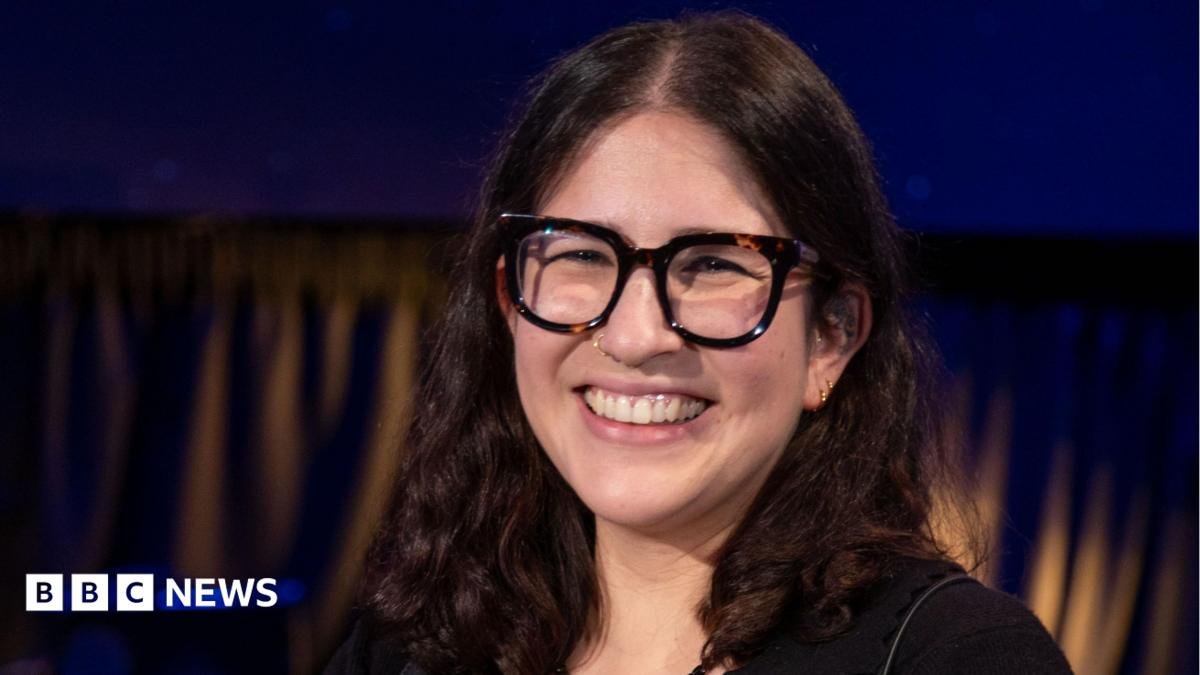
She began presenting on the Sky At Night in 2023, and recently did a show on Jodrell Bank’s history and the research there.
“Every time I get to visit there, it’s such an awesome place. And you can feel not only like the history of the place.
“But also just what’s going on still. It’s buzzing with activity. There are scientists there doing amazing work.”

