
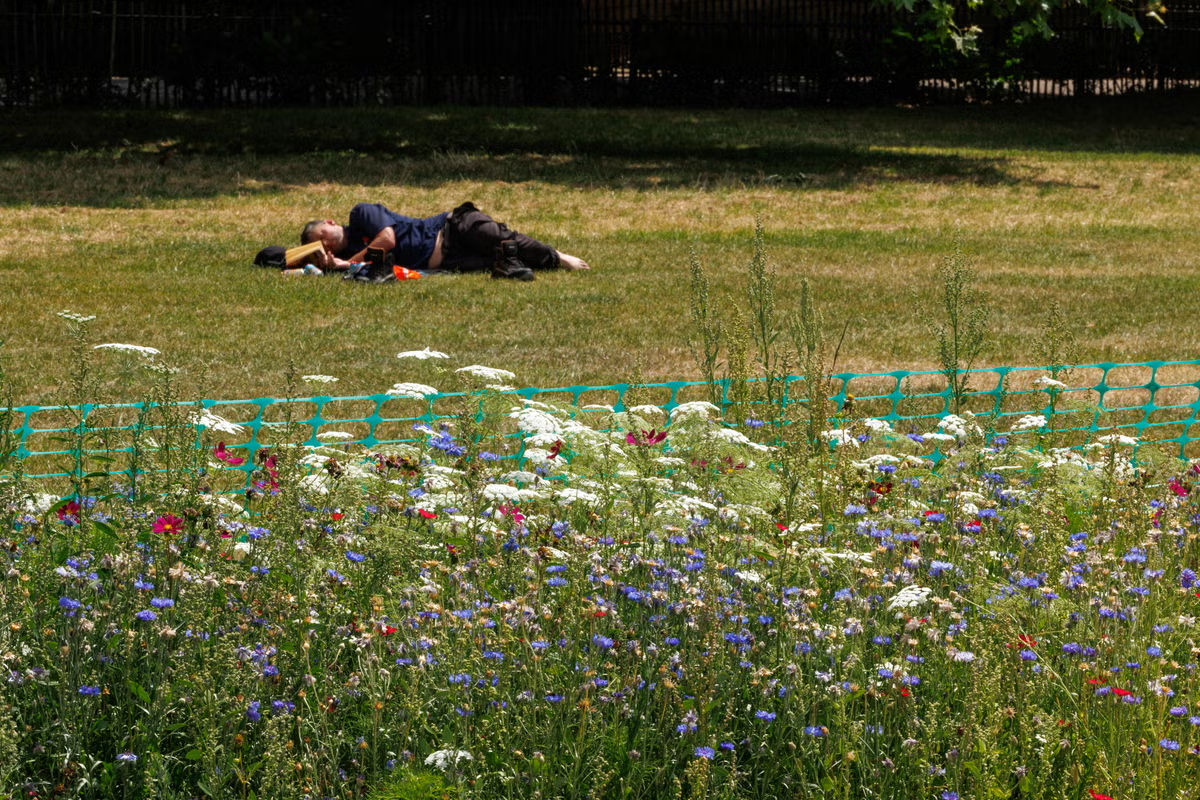
When the weather is glorious, feeling tired can almost seem unfair.
The sun is shining and you’re planning a holiday – so why are you so exhausted?
Summer fatigue is a real phenomenon that affects many people, medical doctor and wellness expert Dr John Briffa says.
The reasons vary from person to person, but can include dehydration and longer daylight hours.
If you’re experiencing inexplicable tiredness, here’s what might be causing it – and how Dr Briffa recommends you combat it.
Heatwaves
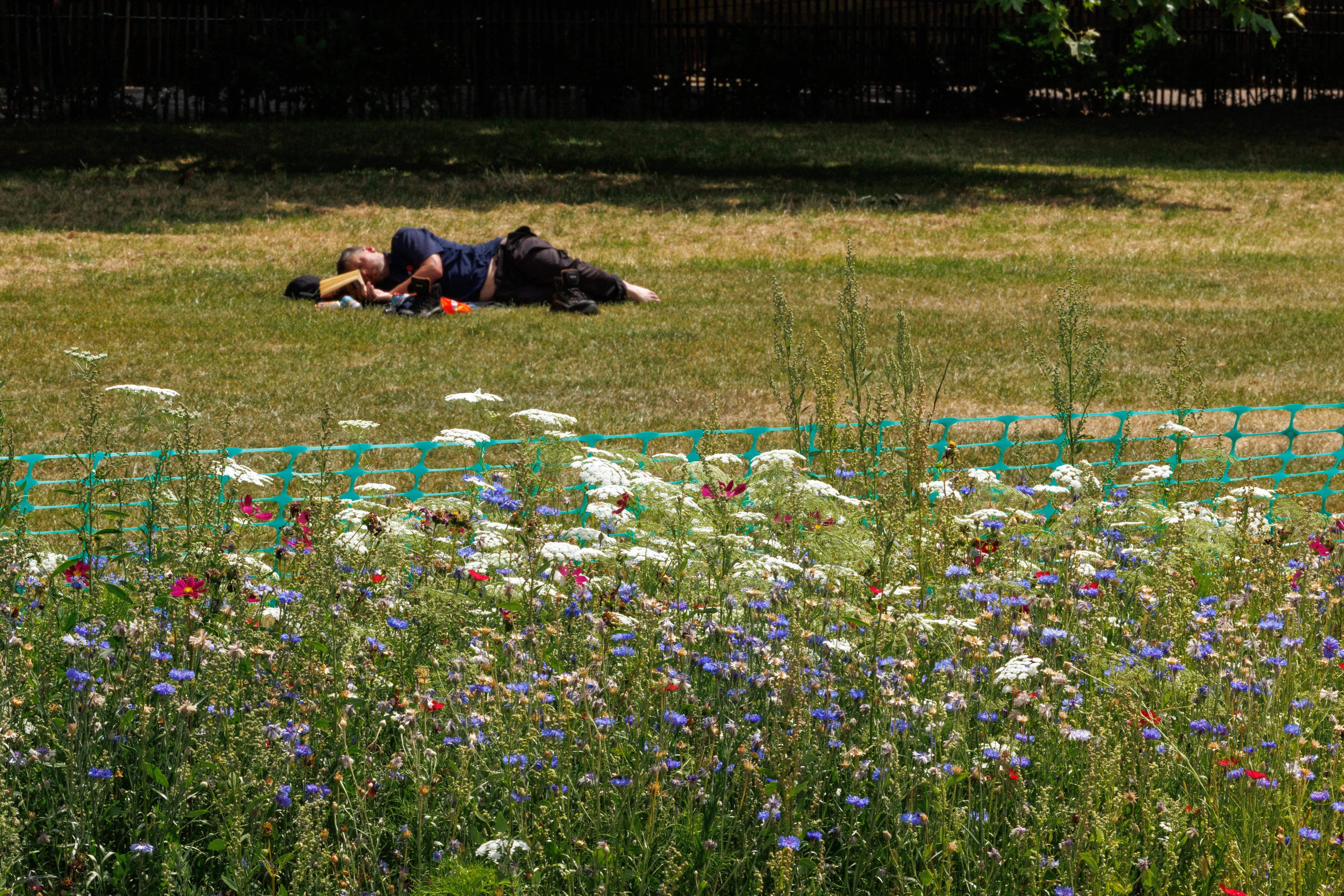
Several temperature records have been broken this summer as a series of heatwaves hit the UK.
That can cause fatigue, as temperature changes can affect the body’s ability to regulate itself.
“The metabolism of generating energy tends to work best in a tight temperature range,” says Dr Briffa.
“So if the body gets significantly cooler or warmer than that, even by maybe half a degree or so, it slows everything down.”
To combat heat fatigue, he suggests cooling hairless skin areas like the palms, forehead and soles of the feet as they lower your body temperature the quickest.
“Get these areas cool – not freezing – because then the blood vessels clamp down, but use a cold flannel of about 15C. Or if you can’t submerge your body and happen to be by a river, pond or sea, just dipping your feet in is a lot better than doing nothing.”
Dehydration
Sun, sweating and not drinking enough fluids are all causes of dehydration that can escalate in the summer.
Tiredness is a sign of dehydration, along with other symptoms such as headaches, dizziness and sunken eyes.
Dr Briffa says: “Studies show that you only need very mild dehydration, maybe one or two per cent of your body weight, for that to be reflected on things like your mental functioning.”
Many people wait until they feel thirsty to drink, but that’s the wrong approach, as thirst is actually “a late sign of dehydration”, Dr Briffa says.
If you’re unsure about your hydration levels, he recommends looking at the colour of your urine.
“People need to drink enough fluid to ensure that their urine stays a pale yellow throughout the course of the day – think pinot grigio as a colour. Once it’s an oaky chardonnay or Lucozade colour, we’ve got a problem on our hands.”
Alcohol

With holidays, outdoor weather and longer days, people’s alcohol consumption can increase in the summer.
Along with other detrimental side-effects, alcohol affects sleep quality.
Though Dr Briffa doesn’t want to caution people against drinking responsibly and moderately, he says: “The problem is a relatively small amount of alcohol can disrupt sleep to the extent that when you wake up in the morning, you’re significantly less well-rested than if you haven’t drunk.
“Most people are all right with a drink – like a moderate-sized glass of wine or beer, for example – but beyond that is usually where we start our problems, as once we’re at two, usually, people will not escape the effect of that on their sleep.”
Longer days
Exposure to light at night can upset our circadian rhythm and ruin sleep and, in the summer, longer daylight hours can exacerbate this issue.
“The evenings are long in the summer, and that can impede our ability to get to sleep, and when the sun comes up early in the morning it impedes our ability to sleep in,” Dr Briffa explains.
“I wouldn’t encourage people to say, ‘It’s nine o’clock at night, and it’s still light, we better go inside’, but a good tactic is to protect yourself from some sunrise so you can sleep longer into the morning.”
For this, he recommends investing in blackout curtains or an eye mask to block out light.
Hay fever
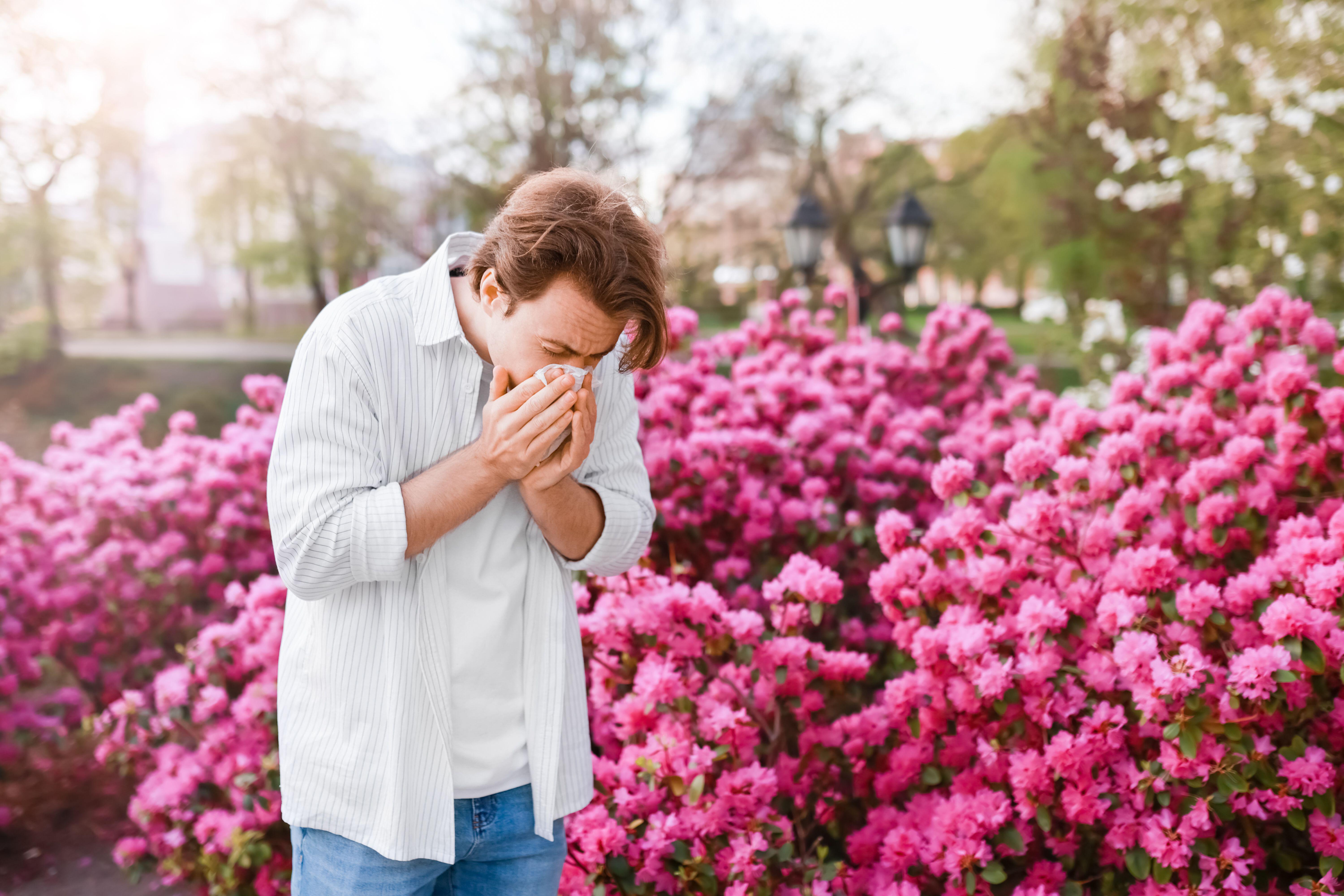
In the summer, pollen levels surge in the UK, irritating hay fever sufferers, who may find their symptoms, such as blocked noses and itchy eyes, prevent quality sleep.
“It’s critically important that hay fever sufferers who can’t breathe through their nose unblock their nose so they aren’t forced to breathe through their mouths,” Dr Briffa says.
“Most people breathe better through their nose, and if they’re forced to breathe through their mouth, they could be overbreathing through the night and be a bit under-oxygenated.”
For clear airwaves at night, Dr Briffa recommends using a plastic nasal strip on the bridge of the nose to open up the nasal passages or purchasing a Neti Pot with saline water and pouring it through one nostril at a time.

