
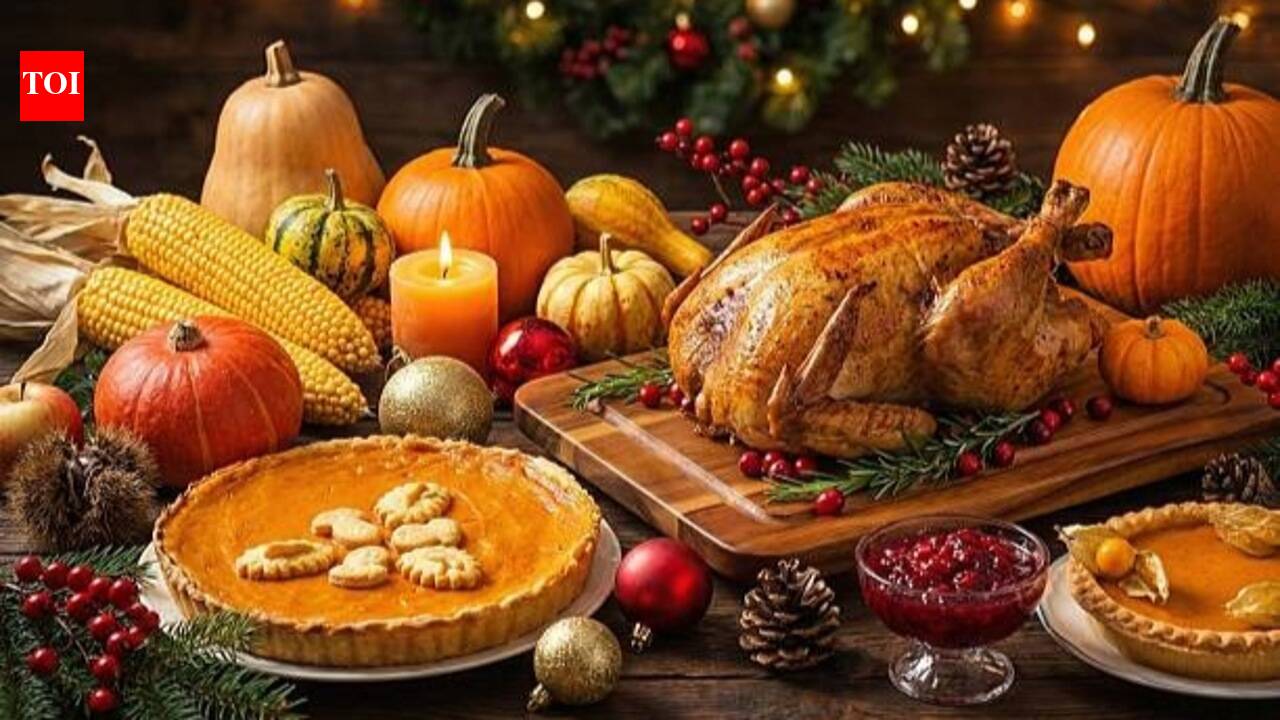
Every year, on the fourth Thursday of November, millions of Americans sit down to a long table crowded with roast turkey, mashed potatoes, cranberry sauce and pumpkin pie. Families travel hundreds of miles to be together, kids watch parades on television, and somebody always falls asleep during the football game. This year, Thanksgiving fell on Thursday, 26 November. For many, it is the warmest holiday on the calendar, a day devoted simply to saying thank you. But behind the feast lies a layered history that is richer, and more complicated than the story many of us learned as children.
Why Thanksgiving is celebrated
At its heart, Thanksgiving is about gratitude: for the harvest, for family and for the blessings of the year gone by. Harvest festivals of thanks exist in many cultures, and this one grew out of that old human instinct to pause after a season of work and give thanks. Over time, it became a national occasion in the United States, marked at home with a shared meal and a moment to count blessings. Many families go around the table and say what they are thankful for, a small ritual that has become the emotional centre of the day.
The 1621 harvest gathering at plymouth
The story most people know begins in autumn 1621. According to the US National Archives, at least 90 Wampanoag joined 52 English people at what is now Plymouth, Massachusetts, to mark a successful harvest. The English colonists had survived a hard year of sickness and scarcity, and the Wampanoag, on whose land they had settled, shared knowledge about hunting and planting that saved the Pilgrims from starvation and made the 1621 harvest celebration possible. The same archive points out that many assumptions about the festival at Plymouth and its link to today’s traditions are based more in fiction than fact.
Not called “The first Thanksgiving” at the time
Here is a detail that surprises many readers. A National Archives exhibit explains that the 1621 harvest gathering was not called the First Thanksgiving at the time, and that the familiar origin story developed centuries later. Historians also note that Plymouth is not the only claimant. Points out that some people give the “first Thanksgiving” title to a 1565 feast in Florida between Spanish settlers and the Timucua. The truth is that days of thanks were observed in many places and ways long before the modern holiday took shape.
How it became a national holiday
For a long time, Thanksgiving was a local or state affair. Presidents occasionally called for days of thanks, including George Washington, who named Thursday, 26 November 1789. The real turning point came through the efforts of Sarah Josepha Hale, editor of Godey’s Lady’s Book, who spent years advocating a shared Thanksgiving observance and appealed directly to Lincoln on 28 September 1863. A few days later, on 3 October 1863, in the middle of the Civil War, Lincoln issued a proclamation to help unite a war-weary nation, setting the last Thursday of November as a day of thanks.
The great date debate
You might think that settled things, but the date kept moving. After Lincoln, the holiday was regularly held on the last Thursday of November until 1938. Then, in 1939, President Franklin D. Roosevelt moved it earlier, and the result was nicknamed “Franksgiving,” which split the nation until Congress set the holiday on the fourth Thursday in November in 1941. The National Archives records that Congress passed a law in 1941 establishing the fourth Thursday in November as the federal Thanksgiving Day holiday. Roosevelt signed it on 26 December 1941.
The traditions that make the day
Modern Thanksgiving is as much about the table as the history. Turkey is the centrepiece, joined by stuffing, sweet potatoes, cranberry sauce and pumpkin pie, though every family adds its own favourites. Many Indian-American families bring in biryani, masala-spiced turkey or gulab jamun alongside the classics, creating fusion feasts that are as much a part of the American story as anything else. Watching parades, playing football in the yard and heading out the next day for sales are all part of the rhythm of the holiday.
A quiet lesson in gratitude
Whatever your view of its origins, the core idea of Thanksgiving travels well: take a pause, thank the people around you and appreciate what you have. In a world that moves quickly, one day set aside for gratitude is a gift. For those who missed it this year, there is no rule against saying thank you any other day, and there is little doubt that a phone call to someone you care about will be received warmly. After all, gratitude is a tradition that never goes out of season.


