
Want to bookmark your favourite articles and stories to read or reference later? Start your Independent Membership today.
Already a member?
Log in
Carrying out a brief end-of-year financial check could reveal thousands of pounds in forgotten or unclaimed money.
Once the festive celebrations have drawn to a close and the turkey leftovers are finished, completing a straightforward tax and pension checklist could help locate missing cash or claim pension relief you are due.
“Most people are still focusing on Christmas stuff and all the partying and spending,” says Robert Cochran, pensions expert at Scottish Widows. “But we can see from our pensions app that as soon as the bells ring at midnight on 31st December, people start looking at their pensions online and want to plan their year ahead.”
Taking under an hour, it offers an ideal opportunity to set yourself up for a wealthier new year.
He advises, “Spend 15 minutes on tax, 15 on pensions, 15 on subscriptions and direct debits, and 15 minutes choosing one January action – such as setting up a savings plan or writing a will.”
Here are seven things you should do with your finances before the end of the year.
1) Do a tax check
“It’s worth everybody doing a tax check,” says Cochran. “The Self Assessment deadline is coming up on the 31st of January if you’ve got untaxed earnings outside of your basic PAYE pay – such as over £1,000 (rising to £3,000 in April 2027) from self-employment, rental income, or high savings interest – or if HMRC has asked you to send one.
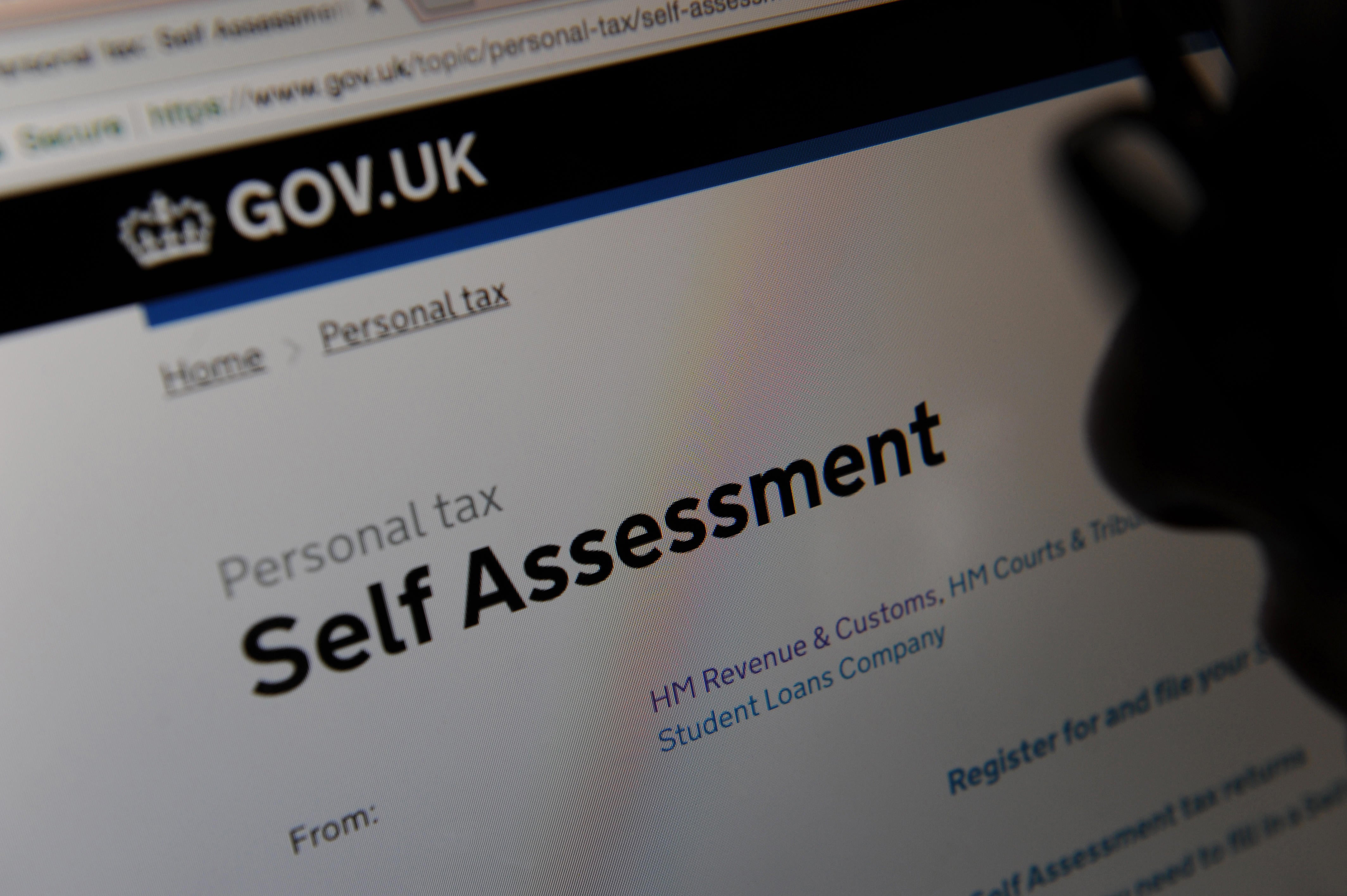
“Everyone should download the HMRC app. Look at your tax code and see if it matches up with your payslip, and check that it’s what you expect to see.
“The app will also show you what you’re on track to earn in the current tax year and how much tax you’re likely to pay, and you can update that information if HMRC’s estimate is wrong.”
2) Claim pension relief
“If you’re employed on PAYE, it’s worth checking your tax code to see if you’re missing out on pension relief,” warns Cochran. “Frozen thresholds have pulled an extra 3.3 million people into the higher-rate tax band over the last five years, meaning over nine million people now pay higher or additional-rate tax – and many are missing out on pension tax relief.”

Invest at least £100 in Stocks or ETFs of your choice. Get fractional shares worth £50!
Terms and conditions apply.
ADVERTISEMENT
Invest at least £100 in Stocks or ETFs of your choice. Get fractional shares worth £50!
Terms and conditions apply.
ADVERTISEMENT
He explains that Freedom of Information data obtained by consultancy LCP for the 2023/24 tax year shows around 800,000 high earners failed to claim their extra relief, leaving roughly £1.46 billion unclaimed – an average of £1,756 to £2,195 per person.
He gives an example: “If your salary rose from £45,000 to £53,000 over the last three years, you’re now a higher-rate taxpayer. While salary sacrifice and ‘net pay’ workplace pensions apply full relief automatically, anyone paying into a personal, group personal, or stakeholder pension only gets 20 per cent automatically.
“If you don’t file a Self Assessment return, you can now use HMRC’s online form to claim back the extra 20 per cent relief.”

3) Track missing money
“The new free digital service MoneyHelper Pensions Dashboard will help people find money they never knew they had,” explains Cochran. “It will help you track down old jobs and see all your pensions – including your State Pension – in one place.”
Providers had to connect their data by 31 October 2026. The service is currently in beta testing ahead of its official public launch next year, although savers can still use existing tracing tools right now to hunt for lost pots.
During early trials, Cochran used the dashboard to locate eight of his own pensions. “I even found one from when I was a student waiter in Glasgow in the Nineties,” he says. “Somebody came round and contracted us out of SERPS. There’s £2,000 in it, but I’d never been able to trace it because I couldn’t remember my 1996 address.
“The dashboard found it instantly, showed its value, and gave me the details I needed to arrange a transfer.”
4) Set up an investment ISA
“Set up a small savings plan,” says Cochran. “You can always pause it, but starting builds a vital habit. The government wants more people investing, and over the long term, a regular Stocks and Shares ISA has historically outperformed cash.
“It means taking calculated risks, so start small with a ready-made ISA tailored to your comfort level. “Unlike fixed-rate bank accounts that lock your money away for modest, guaranteed interest, UK equities offer far higher growth potential – around 7 per cent to 8 per cent a year – even if it isn’t guaranteed.”

5) Give yourself a money MOT
“Look closely at how you spend your money. We follow the 50/30/20 rule: 50 per cent goes towards essential needs like housing, food, energy, transport, and insurance. Another 30 per cent covers wants, such as eating out, entertainment, holidays, and hobbies. The final 20 per cent is for your future, including savings, pensions, investments, and paying off high-interest debt.
“You should also audit your subscriptions. Ask yourself: ‘If I wasn’t already paying for this, would I sign up for it today?’”
6) Start building an emergency fund
“Build an affordable emergency fund in an accessible high-street savings account. A solid rule of thumb is to set aside roughly three months’ worth of income,” advises Cochran.
“Think about what happens if your boiler breaks down or your washing machine stops working. Having that safety net ensures you can cover unexpected bills without falling into debt.”
7) Make a will and choose beneficiaries
“Writing a will often gets put on the back burner because the thought of finding a solicitor feels off-putting,” says Cochran. “However, as long as your situation isn’t too complex, digital will-writing services make the process much easier.”

That said, it is still important to have a final draft reviewed by a qualified solicitor. Keep an eye out for hidden fees, and be wary of any service that automatically names itself as your executor.
An even simpler, yet equally vital, step is updating your pension details.
Cochran says, “Anyone with a pension should fill out a ‘nomination of beneficiary’ or ‘expression of wish’ form. It takes just 30 seconds in your provider’s app, allowing you to specify who inherits your pot and even split it between family and charity.”