
Want to bookmark your favourite articles and stories to read or reference later? Start your Independent Membership today.
Already a member?
Log in
People are being urged by the City regulator to check firms before they invest, with artificial intelligence making scams harder to spot and investment fraud victims losing nearly £30,000 on average.
Research commissioned by the Financial Conduct Authority (FCA) found a third (33%) of UK adults surveyed said they have seen an investment promotion in the past year that they believe used artificial intelligence (AI).
The FCA said reports of investment fraud to Report Fraud that mention suspected use of AI have jumped nearly 400% in a year, up from 193 in 2024-25 to 956 in 2025-26.
Investment fraud victims lost an average of £28,188 in 2025-26.
While about two-thirds (62%) of people surveyed for the FCA believe they could identify an investment scam that used AI, less than half (49%) are confident they could tell whether a video or voice recording of a well-known person had been generated or altered by AI.
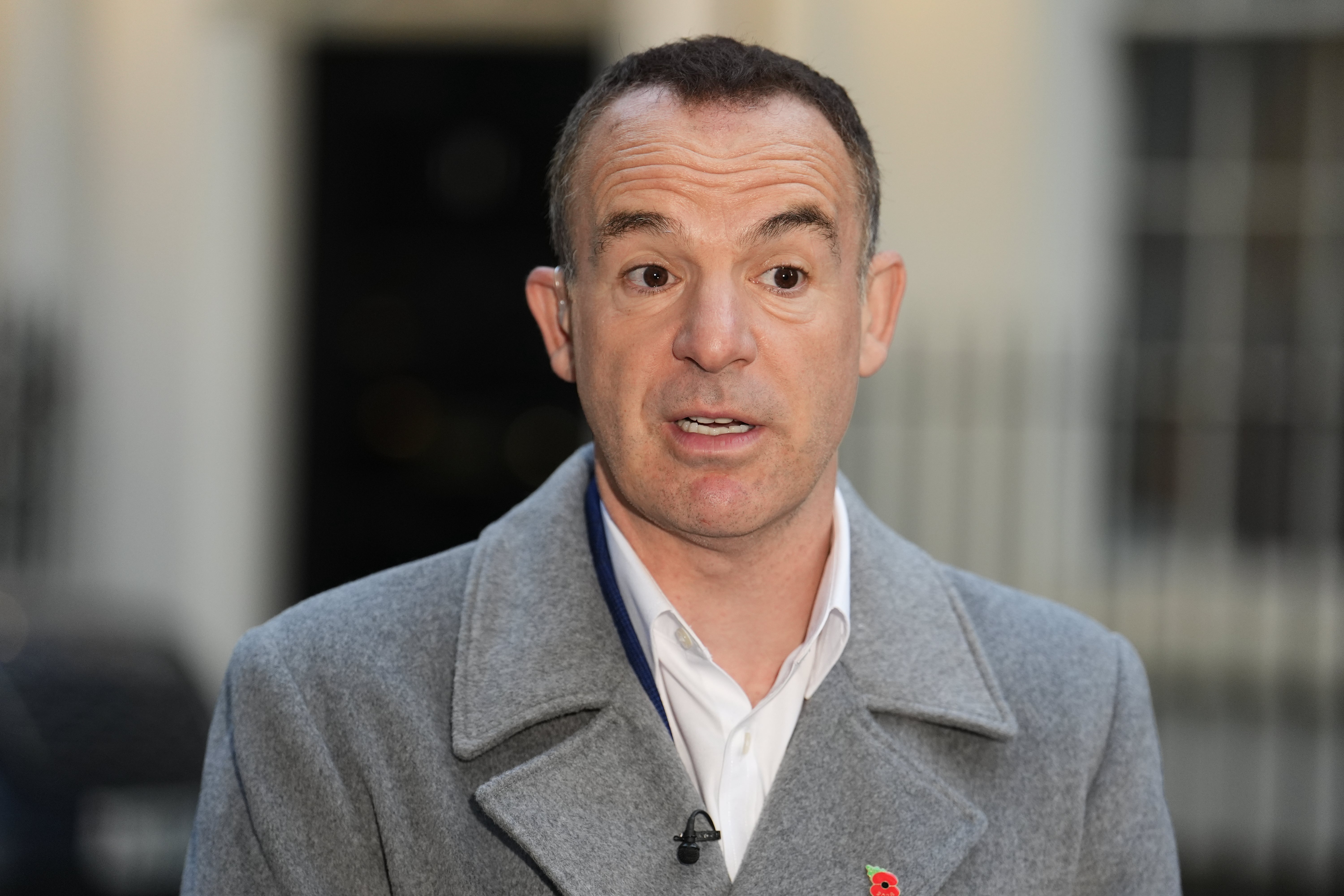
Consumer champion Martin Lewis was the person most often named by those who thought they had seen a fake promotion featuring a well-known face.
The MoneySavingExpert.com founder regularly warns people to beware of fake videos and scam promotions that misuse his name.
Mr Lewis said: “I don’t do adverts, so any advert with me in it is simply a lie and a scam by criminals trying to steal people’s money.
“What’s most frustrating is that I’ve put all of big tech on notice that I don’t do adverts, yet they continue to accept scammers’ adverts with me in them.
“Sometimes when they’re reported, they say they don’t break their policies.

Invest at least £100 in Stocks or ETFs of your choice. Get fractional shares worth £50!
Terms and conditions apply.
ADVERTISEMENT
Invest at least £100 in Stocks or ETFs of your choice. Get fractional shares worth £50!
Terms and conditions apply.
ADVERTISEMENT
“Unfortunately, the internet is still a Wild West of advertising, and the safest tip for most people is: don’t trust any adverts out there.”
The FCA research also found that among under-35s, around three-quarters (74%) believe they could identify an AI investment scam and more than half (56%) believe they have seen an AI-generated investment promotion in the past year.
Despite this, fewer than two-fifths (38%) would check whether a firm is FCA-authorised before investing.
Over-65s were nearly twice as likely to say they would check authorisation, at 73%.
The FCA has a “firm checker” tool on its website where people can check whether a financial firm is authorised by the regulator and has its permission to provide the services the person wants.
People should also consider that criminals may be impersonating legitimate firms, and may want to contact the company directly using a method they know is genuine, such as the contact details in the FCA checker tool.
Sheree Howard, executive director of authorisations at the FCA, said: “AI makes creating online scams easier and harder for people to identify.
“Whether you’re considering an investment, pension opportunity, loan or other financial service, use firm checker to check if a firm is authorised and help fight financial crime.”
Kantar surveyed more than 2,500 people across the UK in October.
Sarah Coles, head of personal finance at AJ Bell, said: “Some scammers will use AI to make videos by celebrities and high-profile people in the financial world.
“They may encourage people either to invest or to sign up for a WhatsApp group that will persuade them to invest later.
“They may also go beyond using deepfakes in an advert. AI can make it seem as if you are receiving video or voice calls from a recognised expert who is giving detailed investment recommendations.”
A separate survey, commissioned by Starling Bank, found that, among the Gen Z age group, 44% of men and 34% of women aged 18 to 29 said they had fallen victim to social media investment fraud.
Bernadette Smith, chief customer and banking officer at the bank, said: “Starling urges all UK consumers to take a step back when presented with any investment opportunity, look out for red flags and question anything that feels too good to be true.”
Censuswide surveyed more than 2,000 people across the UK in October for Starling Bank.
Andrew Prosser, head of investments at InvestEngine, said: “Regardless of how convincing an investment promotion appears or who seems to be endorsing it, investors should independently verify the firm using the FCA’s firm checker before committing their money.”
Patrick Hurley, ombudsman director at the Financial Ombudsman Service, said: “If you do fall victim to a scam, don’t panic. Speak to your bank and, if you’re unhappy with how they handle the issue, bring your complaint to us for a free, fair and final answer.”
Jo Chapell, of Compare the Market, said: “As artificial intelligence makes misleading financial content increasingly difficult to identify, building financial confidence must go hand in hand with education.”