
Oil prices edged higher Friday after talks between the U.S. and Iran in Swizterland were abruptly called off, underscoring lingering uncertainty over efforts to turn an interim agreement into a lasting peace settlement.
Brent crude futures, the international benchmark, rose nearly 1% to $80.50 per barrel by 11:40 a.m. ET. West Texas Intermediate futures traded nearly 1% higher at $77.35. Prices briefly turned lower after Israel and Iran-backed Hezbollah agreed to a ceasefire.
Switzerland’s foreign ministry said U.S.-Iran talks scheduled to take place at Bürgenstock on Friday would not proceed as planned.

The White House also said that Vice President JD Vance was no longer traveling to Switzerland, citing unresolved logistical issues surrounding the negotiations.
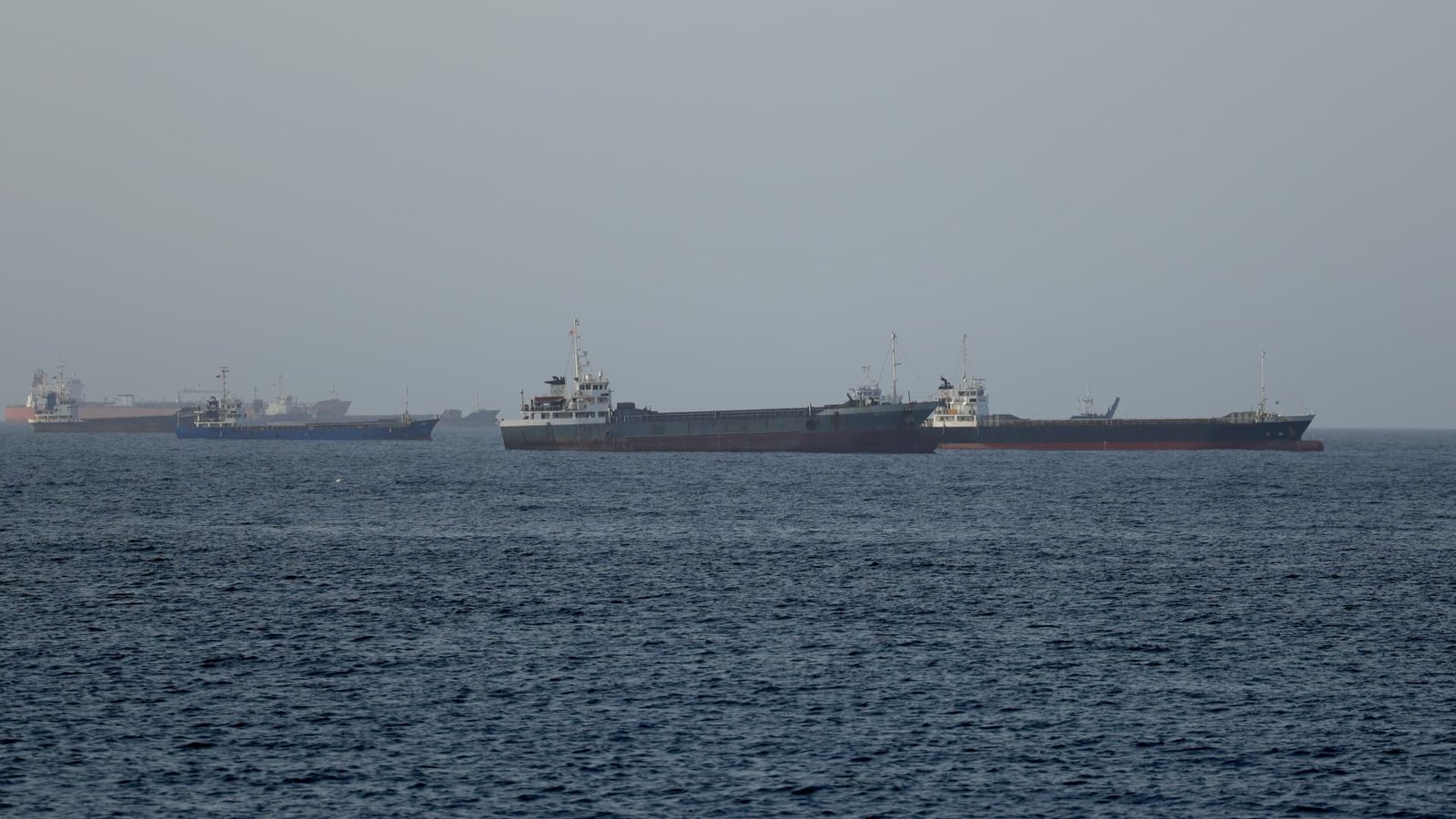
Vance on Thursday said tankers with more than 12 million barrels crossed the strait overnight.
“The Iranians, for the second night in a row, did not shoot at any ships in the Strait of Hormuz,” Vance told reporters. “So far, they are honoring their end of the commitment.”
Separately, OPEC Secretary General Haitham Al Ghais told CNBC in an exclusive interview that the organization does not expect oil demand to peak in the foreseeable future. He also rejected forecasts from the International Energy Agency that point to a future supply glut.
“[We focus] on fundamentals and not putting many ifs and buts in our forecasts, but rather focusing on actual numbers,” he said.
Tamas Varga, analyst at PVM Oil Associates, said Friday that it appears as though the conditional reopening of the strategically vital Strait of Hormuz, along with the lifting of force majeure declarations by Kuwait and the end of the U.S. naval blockade, has convinced investors that the disruption which had pushed prices above $120 “is well and truly over.”
He added: “The 60-day truce is an unambiguously welcome step in the right direction. However, even if the agreement holds, the recent sell-off may prove unsustainable in the short term.”
Oil prices are likely to trade between $75 and $82 a barrel in the near term, with Brent roughly down 36% from its peak during the conflict, Tiago Lacerda, a market analyst at Axi, told CNBC in an email.
“Attention shifts quickly to whether the physical reopening actually follows major shipping lines have yet to resume transits and insurance rates remain elevated, suggesting the market is cautious about the speed of normalization,” Lacerda said.
— CNBC’s Spencer Kimball contributed to the report.

