
Now that winter has arrived, days are getting colder and our food habits are slowly changing too. Hot meals, heavier foods and fewer glasses of water could become the new normal. For some people, this is also the time when digestive discomfort, including bloating, gas and constipation, becomes more prominent. While eating a balanced diet and staying hydrated remain important, certain everyday kitchen ingredients are also traditionally used to support digestion. Jeera, ajwain and saunf are three such ingredients. When boiled together, they make a simple warm drink that can be added to your morning routine.
ALSO READ | This Chennai Restaurant Is Anirudh Ravichander’s Go-To Spot For Spicy Andhra Meals
What Is A JAS Concoction And How Do You Make It?
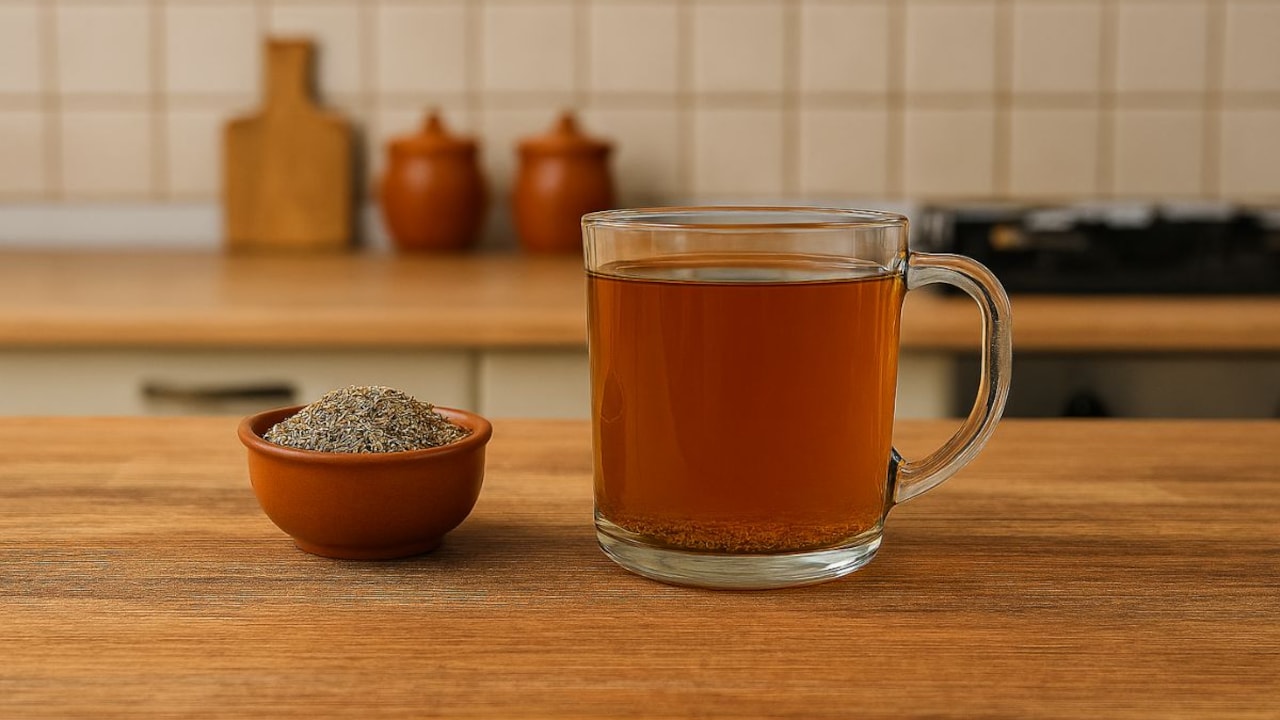
JAS stands for jeera (cumin), ajwain (carom seeds) and saunf (fennel seeds). These three spices are commonly found in Indian kitchens and are often used in home remedies for digestive discomfort.
Nutritionist Shalini Sudhakar suggests preparing a concoction using these ingredients and drinking it warm. The preparation is fairly simple and does not require any complicated ingredients.
How to make it:
1. Take jeera, ajwain and saunf.
2. Lightly crush the three ingredients using a mortar and pestle.
3. Add them to 350 ml of water.
4. Bring the water to a boil and let it simmer until the quantity reduces to approximately 250 ml.
5. Strain the liquid and consume it hot or warm.
Shalini also recommends not skipping the step of crushing the seeds. According to her, this helps activate and release their enzymes.
How Do Jeera, Ajwain And Saunf Help With Digestion?

Each of these ingredients has traditionally been used for digestive comfort. They also contain different aromatic compounds that have been studied for their potential effects on the digestive system.
1. Jeera (Cumin)
Jeera is commonly added to Indian dishes for its distinctive aroma, but it is also a familiar ingredient in home remedies for indigestion and bloating. Its active compounds, particularly cuminaldehyde, have been studied for their potential digestive properties.
Clinical Nutritionist Rupali Datta has previously explained that poor digestion can affect the body’s ability to absorb and assimilate nutrients properly. She has also discussed how impaired digestion can interfere with the elimination of waste from the body. This is one reason why maintaining good digestive health is important.
There is also some research on cumin itself. A 2014 pilot study published in the Middle East Journal of Digestive Diseases examined cumin extract in 57 people with irritable bowel syndrome (IBS). Participants reported improvements in symptoms such as abdominal pain and bloating. However, the study used cumin essential oil rather than cumin-infused water.
2. Ajwain (Carom Seeds)
Ajwain is often added to preparations such as parathas, pooris and kachoris. Apart from adding flavour, it has traditionally been used to manage gas and indigestion.
The seeds contain thymol, an aromatic compound that has been studied for its potential digestive properties. As per nutritionist Nmami Agarwal, ajwain and saunf together have carminative properties, which are associated with helping relieve gas and bloating.
A 2023 clinical trial published in Evidence-Based Complementary and Alternative Medicine also examined an herbal preparation containing ajwain and celery in people. The researchers reported improvements in certain symptoms, although the findings cannot establish the effects of ajwain alone.
3. Saunf (Fennel Seeds)
Saunf is perhaps one of the most familiar ingredients associated with digestion. It is commonly chewed after meals and is also used in teas and other homemade preparations.
According to nutritionist Shilpa Arora, fennel seeds contain compounds such as anethole, fenchone and estragole, which contribute to their antispasmodic properties. These properties are associated with relaxing smooth muscles and may help explain why fennel is traditionally used for digestive discomfort.
When Is The Best Time To Drink A JAS Concoction?
Shalini Sudhakar recommends having this concoction first thing in the morning. It can be consumed hot or warm, as per her instructions.
If you are adding it to your morning routine, remember that it is not a substitute for drinking enough water throughout the day or eating a fibre-rich, balanced diet. Also, if you regularly experience bloating, constipation, acidity or abdominal discomfort, it is important to understand the underlying cause rather than relying only on home remedies.

