
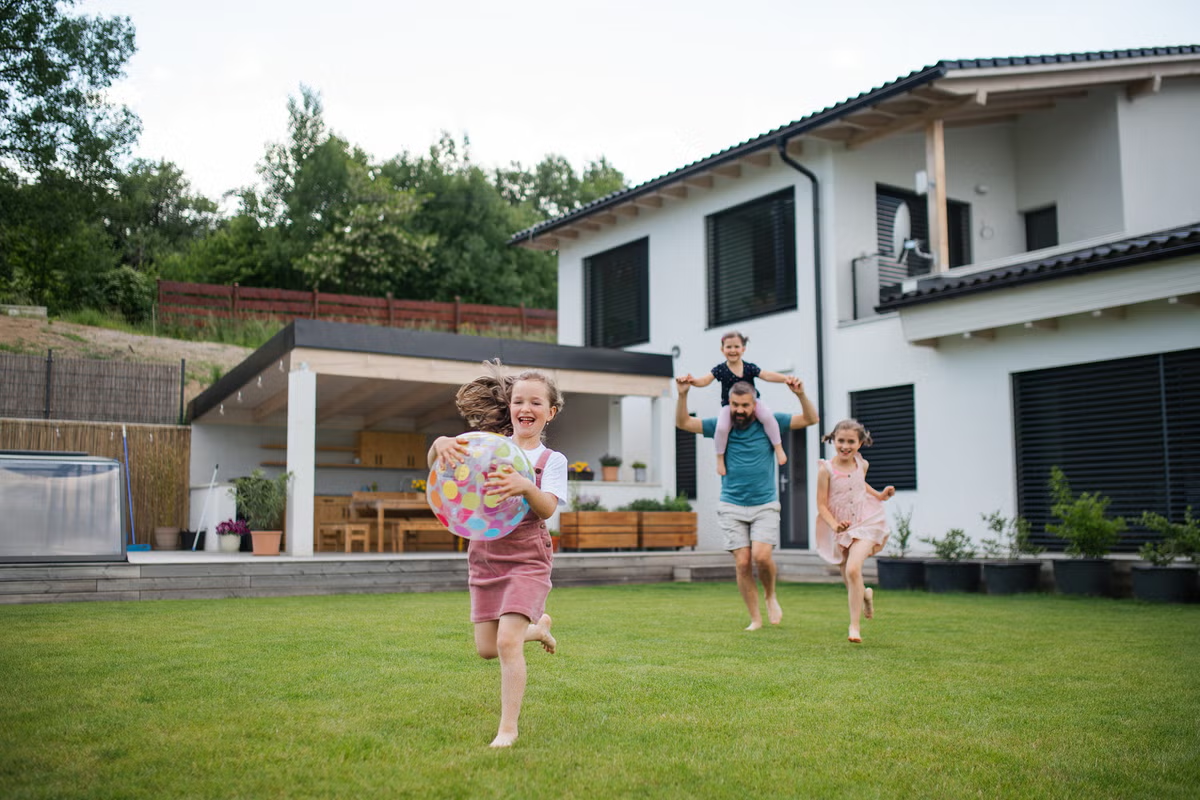
Summer gardens are no longer simply spaces to admire from the kitchen window. Increasingly, they are functioning as outdoor living rooms, play areas and entertaining spaces for the whole family. But creating a garden that works for every generation takes more than a paddling pool and extra seating. Today’s outdoor spaces need to balance stylish design with the realities of everyday life, offering somewhere practical, adaptable and easy to enjoy throughout the summer months. Garden designer Rachel Birtwhistle shares five ways to create a family-friendly garden that feels polished, functional and designed for modern outdoor living.
1. Create zones that work for everyone
One large open garden can quickly become chaotic during summer holidays and family gatherings. Dividing the space into zones for dining, relaxing and playing allows different generations to enjoy the garden comfortably at the same time. A shaded seating area can provide a peaceful retreat for older relatives, while a nearby lawn gives children space to burn off energy within easy view.
Features such as pathways, raised planters and contrasting paving materials help define different areas without making the garden feel disjointed. Zoning also adds structure, particularly when children are charging around with water pistols, grandparents are reliving 1986 with increasingly ambitious football tackles, and you are simply trying to enjoy a quiet drink in peace.
2. Invest in flexible seating
Summer gardens often become the social hub of the home, hosting everything from morning coffee to evening barbecues. Flexible seating is essential in a multi-generational garden. Combining dining furniture with benches, loungers and softer seating areas allows the space to adapt throughout the day.
Movable furniture works especially well because it can easily be rearranged for parties, family lunches or quieter afternoons in the sun. Positioning seating near play areas also allows adults to supervise children without feeling permanently on duty. The aim is to create a garden where everyone can relax, rather than one where parents spend the afternoon mediating trampoline disputes.
3. Let technology do the hard work
For many families, the lawn remains the centrepiece of the garden. It needs to cope with football matches, garden parties and children’s play equipment while still looking immaculate. Keeping turf neat throughout summer, however, can feel like a full-time job.
Robotic mowers such as the Honda Miimo are transforming garden maintenance. Working discreetly in the background, they keep lawns trimmed automatically without the noise and hassle of traditional mowing. Bluetooth connectivity also allows homeowners to control the mower remotely from a smartphone, meaning the garden stays “event ready” with minimal effort. Essentially, you switch the mower on, so you can finally switch off.
4. Choose features that serve multiple purposes
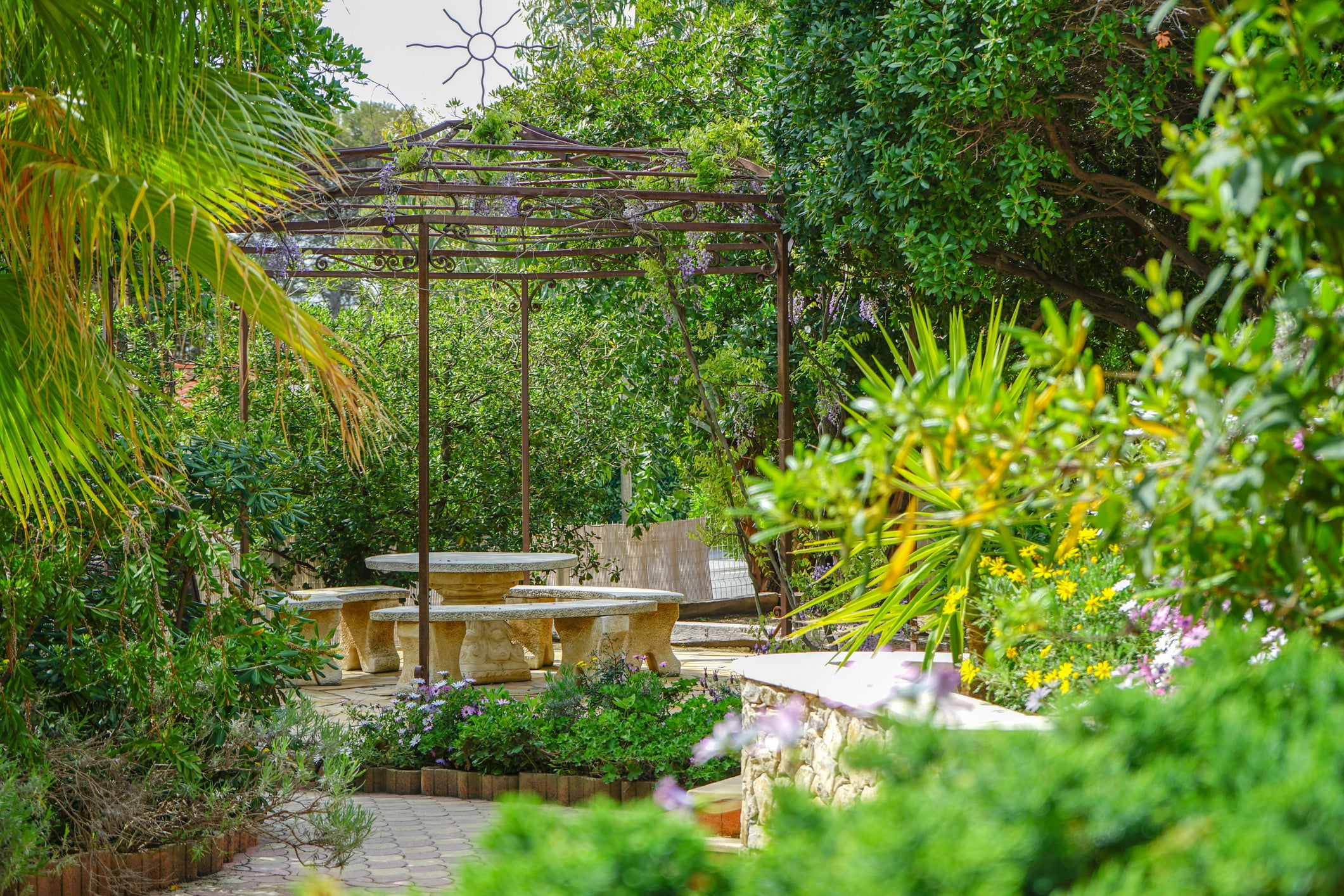
The most successful family gardens are those where every area works hard. Multi use features allow the same space to support several activities throughout the day and across different stages of family life.
A lawn can become a play area, entertaining space or somewhere to unwind with a book. Raised planting beds provide visual structure while encouraging children and grandparents to garden together. Pergolas, fire pits and outdoor kitchens also act as natural gathering points, bringing people together long after the sun has gone down.
5. Design for the future
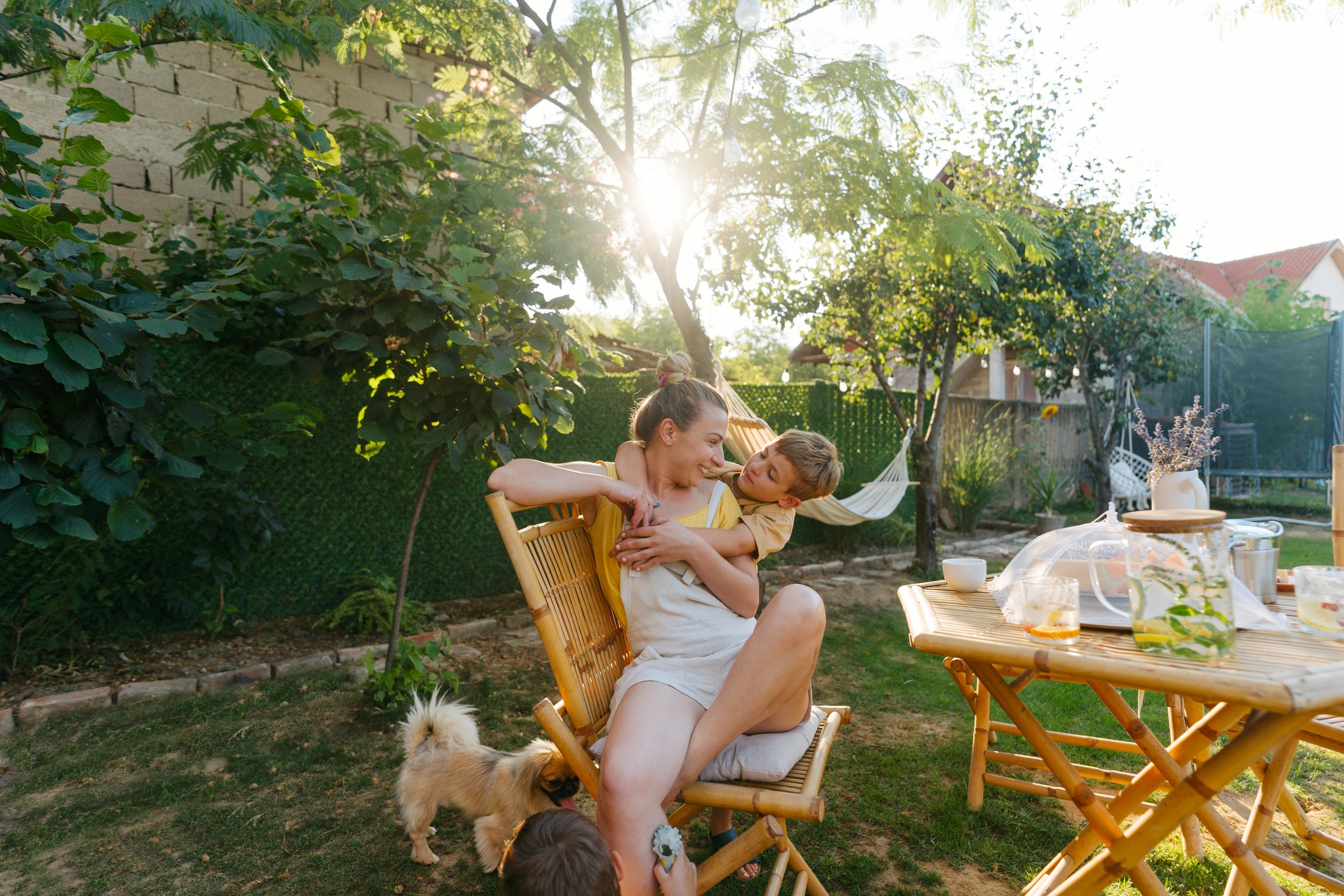
Perhaps most importantly, a successful family garden should evolve alongside the people using it. Children grow older, entertaining styles change and accessibility needs may increase over time. Leaving room for flexibility allows the garden to adapt without major redesigns.
By combining thoughtful zoning, easy maintenance and flexible outdoor areas, it is possible to create a garden that works for the whole family and is enjoyable to spend time in. The ultimate goal is simple: a sanctuary where the lawn stays immaculate, the planting survives football matches and everyone has room to relax. After all, the best family gardens are the ones that actually get used.

