
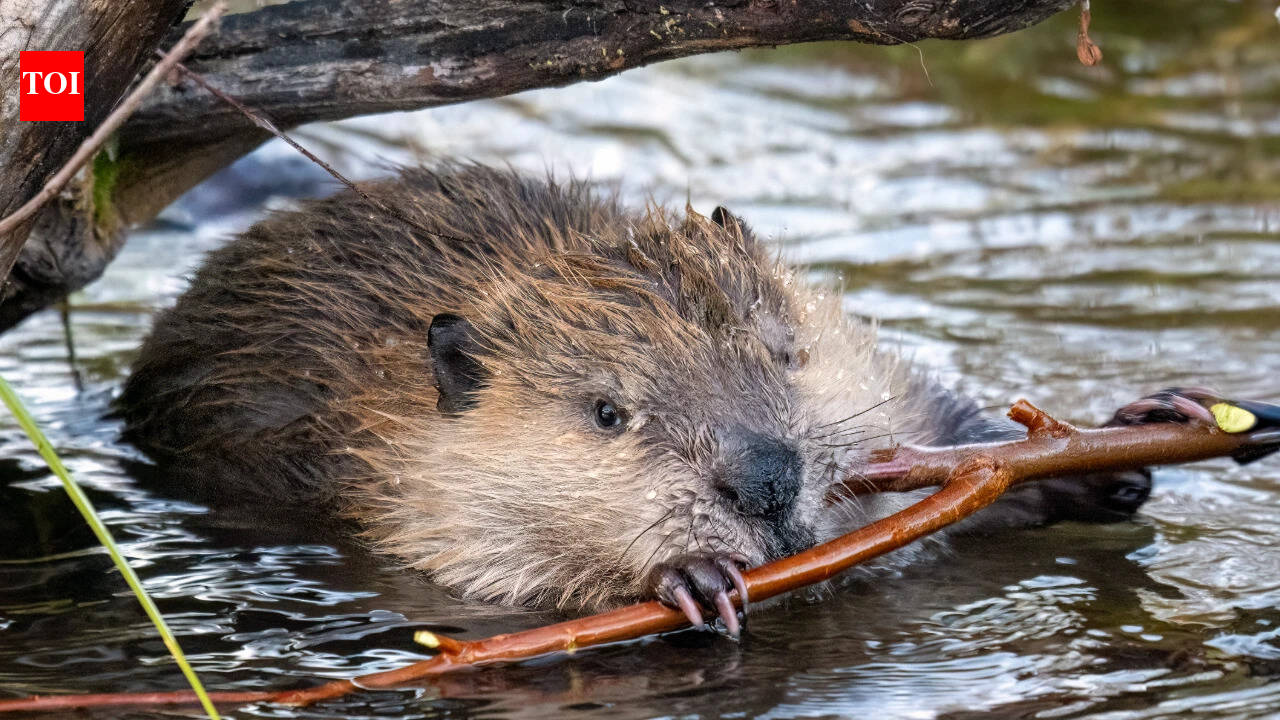
The beaver population across Tayside and the Forth continues to expand, according to the largest survey of the species ever carried out in Scotland. The study, conducted by the Beaver Trust and the University of Exeter, confirmed 349 territories and identified 56 more that may be occupied, bringing the total to as many as 405. The findings were published today in the journal NatureScot.
Beavers are back in Scotland’s major river catchments
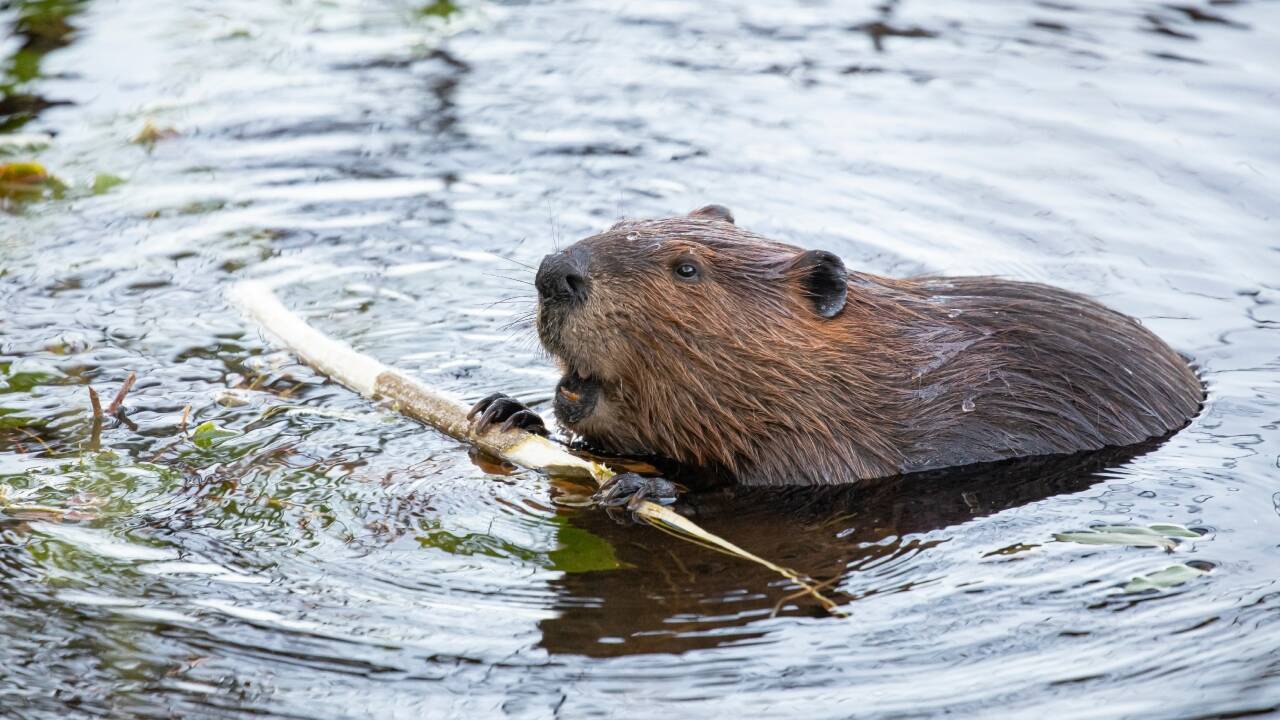
Beavers are finally making a comeback in Scotland. According to the survey, their numbers have increased significantly in recent years. In 2012, 39 territories were recorded. This rose to 114 in 2017–2018 and reached 251 by 2020–2021.The survey covered a whopping 2,397 km of watercourses, including rivers, burns, lochs and drainage systems, during 2024–2026. Experienced beaver surveyors looked for signs of beaver activity on foot and by canoe across the area. They found 20,853 confirmed signs, including burrows, dams, lodges, scent mounds, canal digging, and evidence of feeding on trees and crops.As family groups vary in size from one territory to the next, the survey does not produce a single population figure, but the trend is clear. The population is expanding and moving into new areas.Beavers are now living and expanding across the Forth and Fife regions, along the shoreline of the Firth of Tay, and in the South Esk and Clyde river catchments. In the Tay and Forth areas, where beavers have been present for longer, experts noted signs of new territories emerging in gaps between previously established ones.
They are moving away from farmland
Waterside woodland accounted for half of all recorded activity this time, up from 34 per cent in 2020–2021. Agricultural land, which accounted for 41 per cent of activity in the earlier survey, now accounts for 28 per cent.Dr Roisin Campbell-Palmer, Head of Restoration at Beaver Trust, said the team had probably carried out the biggest survey of beaver activity ever attempted.“We’re proud to have carried out what may be the largest survey of beaver activity ever undertaken. Covering 2,397 km of waterways on foot and by canoe during 2024–2025 took an enormous amount of time, effort and dedication from our team. It’s encouraging to see the population growing and beavers establishing themselves in new areas. At the same time, we are seeing a slowing of population growth compared with previous surveys as the core catchments become more occupied, with natural and human-made barriers limiting movement into some new catchments or sub-catchments. ”
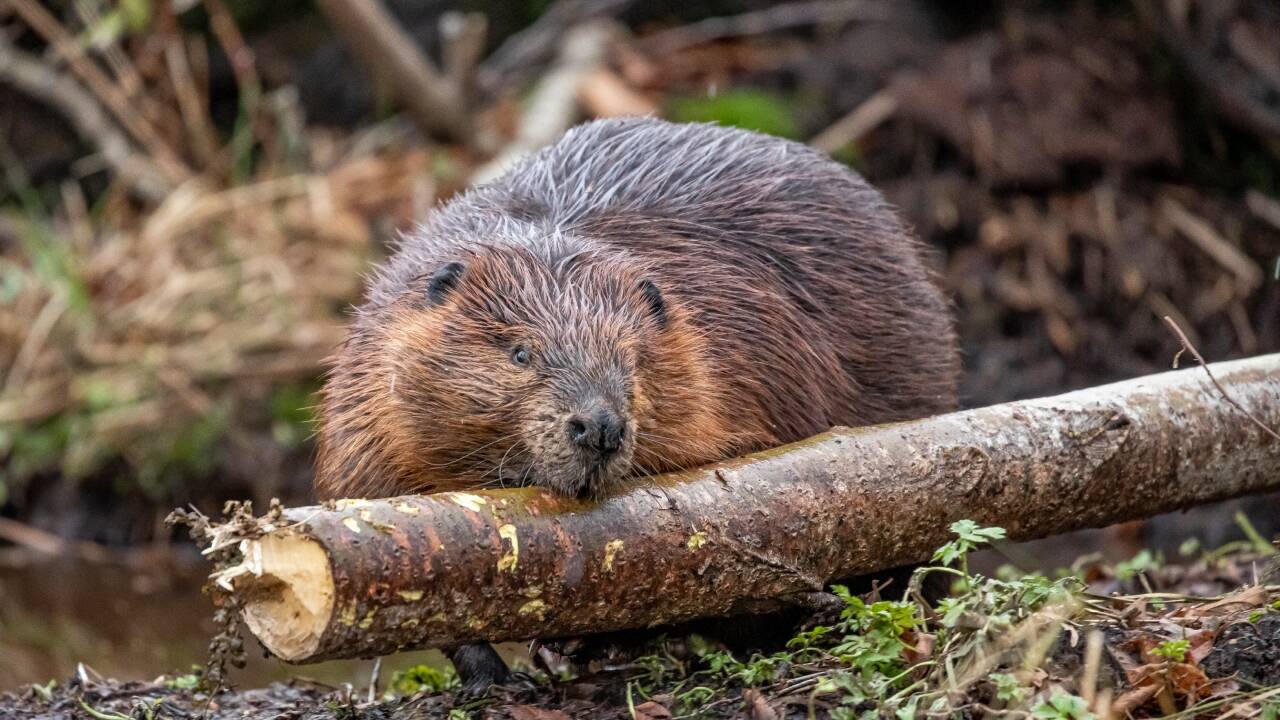
Dr Roo Campbell, NatureScot mammal adviser, explained the crucial role these rodents play in nature.“Beavers bring many benefits for nature and people, so it’s great news that this latest survey confirms that the population is continuing to expand into new areas. It’s particularly interesting that more dams were recorded relative to the population size, perhaps an indication of beavers moving into less agriculturally dominated landscapes and smaller burns. The wetlands these dams create are important for biodiversity and valuable to us because they can alleviate flood and pollution risks downstream. To gain these benefits, we need to adapt to live alongside beavers throughout our waterways,” the adviser said.“We know that beavers can occasionally cause issues, and as the population continues to spread, NatureScot’s Beaver Mitigation Scheme will continue to be available to help land managers as we learn to live alongside beavers in our rivers, lochs and wetlands,” Roo Campbell added.Dr Alan Puttock, from the University of Exeter, said the surveys, taken together, offer a detailed picture of beavers returning to modern landscapes.“By applying a rigorous, systematic approach to surveying Scotland’s largest wild beaver population, this survey, and the surveys that preceded it, give an incredibly valuable insight into the return of beavers to our modern landscapes. The extent of these surveys is unprecedented, and we hope the data they contain will encourage coexistence with wild beavers in Scotland and beyond, helping to maximise the benefits and minimise the conflicts associated with this ecosystem engineer. ”The Scottish Beaver Advisory Group has now published an information pack for communities where beavers are arriving for the first time. It focuses on what residents can expect as the animals move into their area.


