
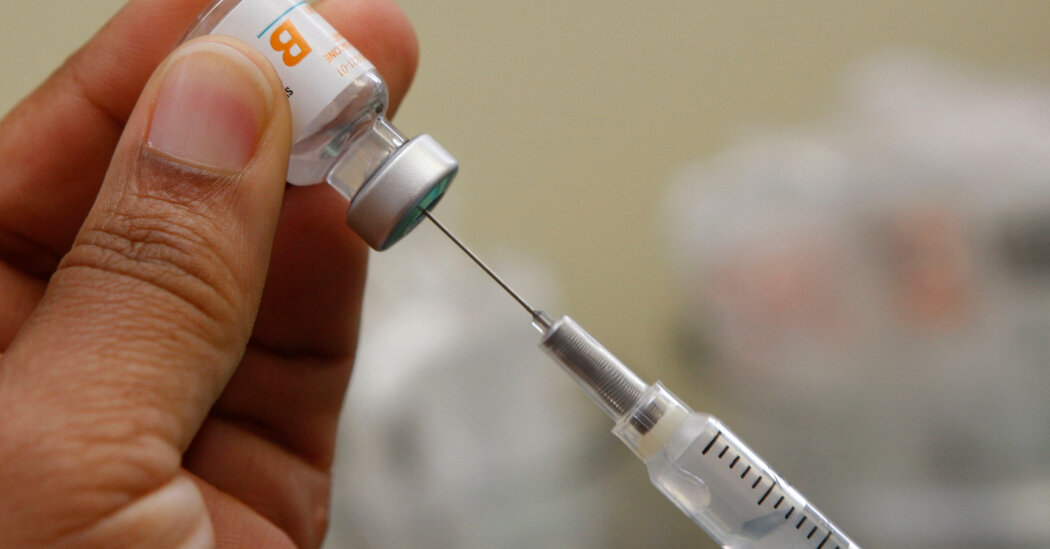
A new drug has essentially cured 1 in 5 patients with chronic hepatitis B infections, researchers reported on Thursday, a feat that has stymied scientists for years.
“It’s the first major advance in the treatment of chronic hepatitis B in decades,” said Dr. William Jarnagin, a surgeon and liver specialist at Memorial Sloan Kettering Cancer Center.
The study included patients who, unlike most infected with hepatitis B, did not recover. Instead, the virus — transmitted by body fluids like semen or blood — takes up residence in the liver. Chronic infections can lead to cirrhosis, liver cancer and death.
While hepatitis B can be prevented with a vaccine, over one million people in the United States have acquired the chronic form of the infection. Treatment is lifelong, requiring antivirals and drugs that boost the immune response.
But these treatments cannot get rid of the virus and do not eliminate the risk of liver cancer. A new drug, bepirovirsen, made the virus undetectable in patients’ bodies — a so-called functional cure.
Made by Ionis Pharmaceuticals and GlaxoSmithKline, bepirovirsen prevents the virus from replicating and enables the immune system to attack. The therapy is administered as a weekly injection.
It was tested in two 24-week studies led by Chinese researchers, involving more than 1,838 patients in 29 countries in Asia, Europe, and North and South America.
In a paper published in the New England Journal of Medicine, the investigators reported that about 20 percent of patients who got bepirovirsen saw a functional cure: No virus could be found 48 weeks after the treatment ended.
No one who received the placebo was cured. In an editorial accompanying the research, Dr. Anna S. Lok, assistant dean for clinical research at University of Michigan Medical School, deemed the results “remarkable” and said they “represent a major step forward.”
Dr. Lok, who is also director of clinical hepatology at the medical school, has consulted for GlaxoSmithKline and other companies working on hepatitis treatments.
Some patients were left out of the studies — those with cirrhosis, H.I.V. infections or very high levels of hepatitis B.
Ionis has applied to the Food and Drug Administration for approval to market the drug. A decision is expected by Oct. 26.

