
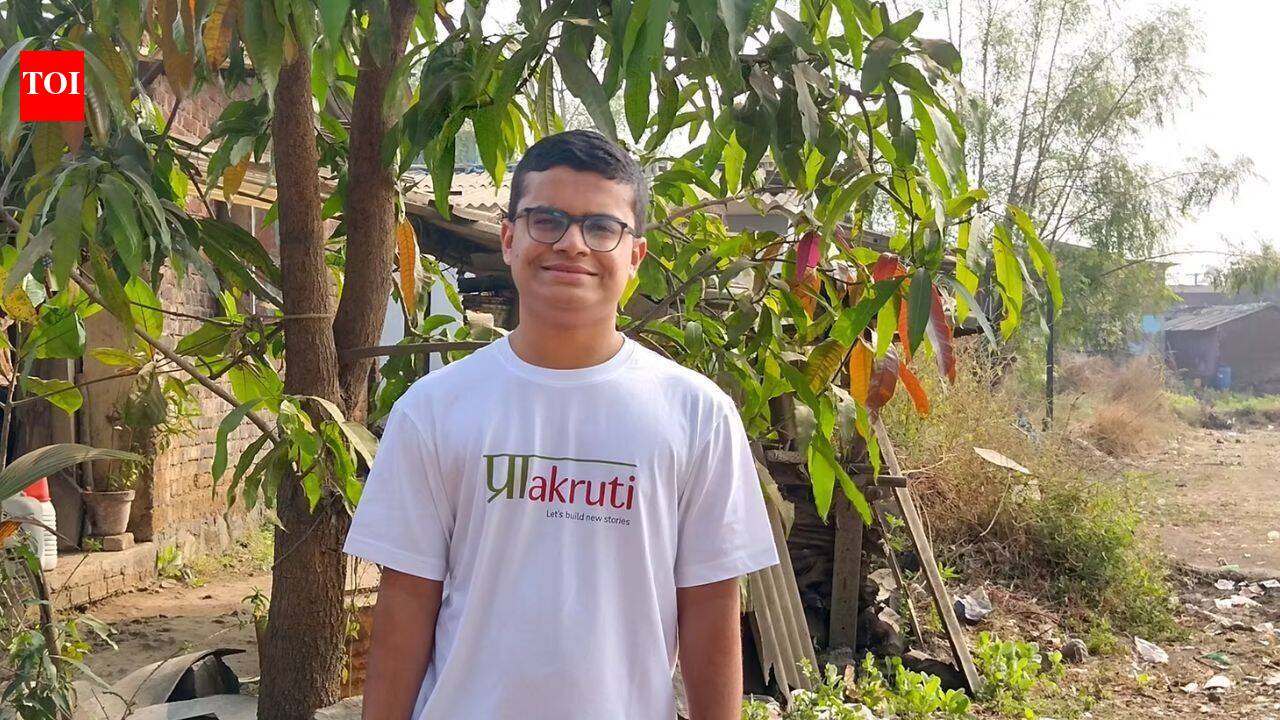
What if a pinecone, a seashell or a fallen seed pod could become a child’s favourite toy? For Ishaan Surve, these natural materials are more than things found outdoors. They are the foundation of a venture that brings together childhood creativity, environmental protection and livelihood opportunities for tribal communities.Through his initiative, Praakruti, Ishaan has developed eco-friendly do-it-yourself (DIY) toy kits that encourage children to create their own figurines and toys using natural materials sourced from indigenous communities across India.What began as a small entrepreneurial idea has grown into a venture that has generated $21,500 in sales, supported 56 tribal families across 19 states and reached thousands of children and community members through educational and environmental initiatives. But the idea behind Praakruti goes beyond replacing plastic toys. It is about reconnecting children with nature while ensuring that the communities supplying these materials also benefit from the business.
A childhood love for nature becomes a business idea
Ishaan’s interest in nature began when he was young. According to his school’s profile, he spent hours exploring his surroundings, using natural objects and figurines to build imaginative worlds. His perspective on environmental protection became stronger when he participated in mangrove clean-up drives. During these activities, he noticed how plastic waste was accumulating around mangrove roots and affecting the surrounding ecosystem.This experience made him think about the amount of plastic used in children’s toys and the possibility of creating alternatives. He eventually founded Praakruti, a purpose-driven venture aimed at reducing plastic use in the Indian toy sector. The idea was simple: instead of giving children another ready-made plastic toy, why not provide them with natural materials that allow them to build something themselves?
Pinecones, seashells and pods replace plastic toys
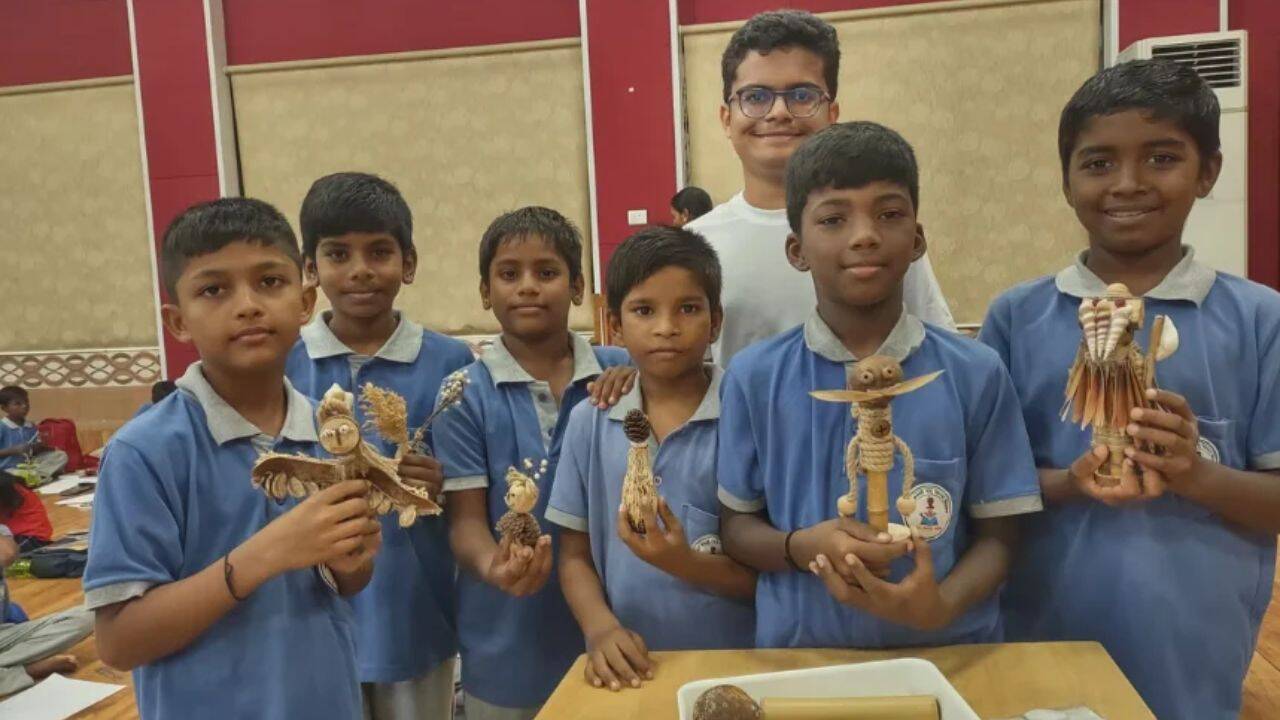
Praakruti’s DIY kits bring together more than 20 natural elements sourced from different parts of India. These include pinecones from Uttarakhand, seashells from the Konkan region and elephant pods from the Andaman Islands. The materials are ethically sourced through indigenous and tribal communities. Children can use these elements to create their own figurines, artworks and imaginative companions. The activity encourages unstructured play, allowing young minds to experiment rather than simply follow instructions.The venture’s approach also gives children an opportunity to understand where natural materials come from and develop a closer connection with their surroundings. According to Praakruti’s official website, the venture has developed more than 750 eco-friendly toy options and dedicates 50% of its profits towards the welfare of indigenous communities.
$21,500 in sales and 56 tribal families supported
Beyond its environmental purpose, Praakruti has also created an economic opportunity for tribal families. According to Ishaan’s school profile, the venture has generated $21,500 in sales and supported 56 tribal families across 19 states. The initiative has also provided these families with a secondary source of income estimated at $7,200. Rather than treating community welfare as a separate activity, Ishaan has incorporated it into the business model. A portion of the profits goes back into tribal welfare programmes.The money has supported initiatives such as distributing stationery, school bags, blankets and toys to children in rural communities. Praakruti has also organised interactive workshops and educational activities in government-aided schools, encouraging children to explore sustainable alternatives and understand environmental challenges.
Taking the message beyond toys
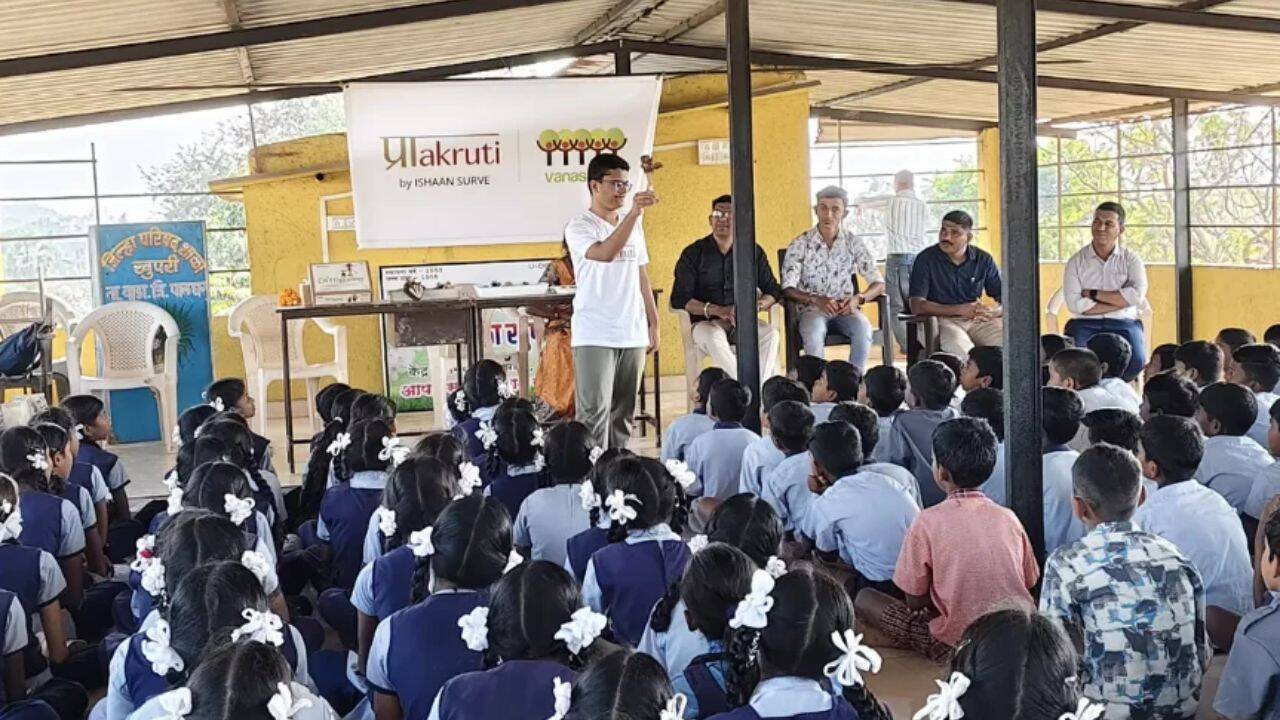
Ishaan’s work has gradually expanded beyond selling DIY kits. He has also focused on spreading environmental awareness through schools, village programmes and student-led initiatives. One such effort is a rural street-play collective that uses theatre to discuss issues such as plastic consumption, deforestation and firewood conservation. According to his school’s account, the initiative has sensitised approximately 18,000 villagers across 35 villages. His educational outreach has also included workshops and activities involving more than 8,000 students.A separate impact report by the Global Youth Action Fund records Praakruti’s wider outreach at approximately 40,500 people, including school students, villagers and tribal children. He has also established a Young Eco-Hero programme, bringing together student volunteers to promote sustainability within their schools. For Ishaan, the larger ambition is to make environmental responsibility part of everyday life, beginning with something as familiar as children’s play.Praakruti’s journey demonstrates how a simple idea can connect different worlds: children discovering creativity through nature, tribal families finding additional livelihood opportunities and communities learning to become more environmentally conscious. What started with natural objects and a desire to reduce plastic has grown into a business where every toy kit carries a larger purpose.


