
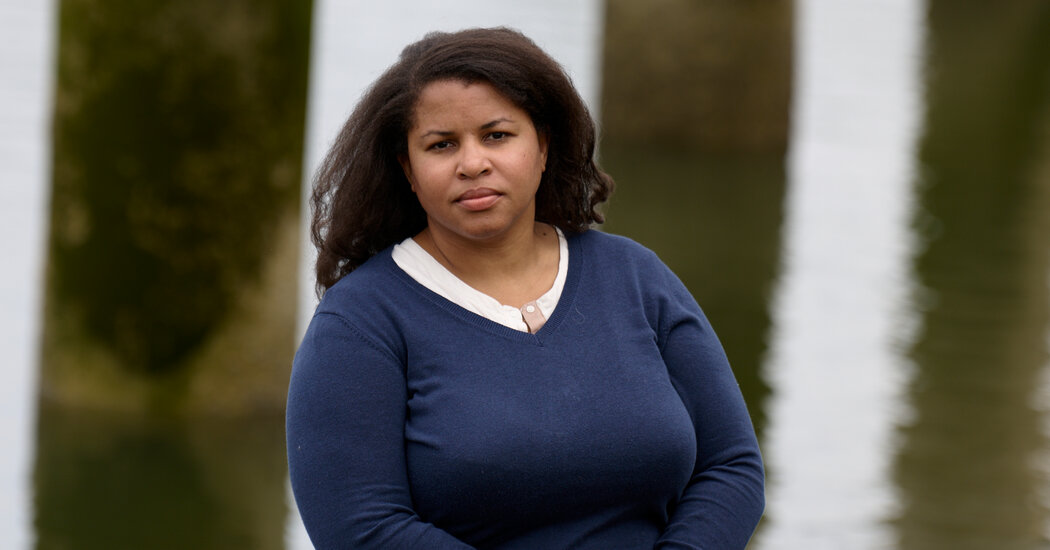
Lost Science is an ongoing series of accounts from scientists who have lost their jobs or funding after cuts by the Trump administration. The conversations have been edited for clarity and length. Here’s why we’re doing this.
Melanie Malone: I’m an environmental scientist, and my specialty is contamination in soil and water. People are often given general advice, such as, “Don’t go into the river,” or “The air quality is bad.” But they don’t often have a lot of information on what the pollutants are, where they are coming from or how they can protect themselves.
Near the end of 2022, I received a $1.2 million grant from the Environmental Protection Agency to study ways in which harm to people from pollution was being overlooked along the Lower Duwamish River in Seattle.
The area is one of America’s oldest “Superfund” sites, meaning it is very heavily contaminated, and the E.P.A. has designated it for cleanup. In some ways it is overstudied, yet people there are still dying up to 13 years sooner than people living in other parts of Seattle.
Essentially, our goal was to collaborate with the community to fill in the gaps and find out how people were still being exposed to contamination. Then we wanted to tell them how to protect themselves and avoid exposure. My research has always been very community centered, and I often say that I do my research with people, rather than on them.
Right when we got our grant, a huge king tide came in, overflowing the riverbanks and flooding homes. People were wading through sewage and all kinds of contaminants from the Superfund site just to try and retrieve their belongings. Our community partners were asking, “Can you please go out and sample this right now?” Because nobody had any idea what they were being exposed to. I realized we had to get out there quick.
We sampled as much as we could right away and then continued going back for almost three years. One of the things that distinguished our project was that we were able to do a lot of real-time pollution monitoring for people, like keeping an eye out for spill alerts and flooding and then going out to take samples.
But in May last year, right before we were able to get to the bigger picture and analyze all of our data, our funding was cut, and we were told to stop everything. Like everyone else in the same grant program, we were told that the agency was moving in a new direction and that our project no longer aligned with its priorities.
It has been a scramble to figure out how to keep the promises that we made to these communities. I’m still in the process of applying for grants so we can finish up, which takes away from the time we could be doing the research.It is such a shame, because one reason people die earlier in this area is that the regulations do not line up with what these people actually need to be safe. Some of the contaminants and places we were investigating weren’t being regulated or studied by the government, and we wanted to take that information back to the E.P.A.
Cutting off science that directly serves communities is a big loss. It’s been really hard to see all this research being canceled — not just my project, but many like it — because we know it was having an impact.
Melanie Malone is an environmental scientist at the University of Washington, Bothell.

