

Want to bookmark your favourite articles and stories to read or reference later? Start your Independent Membership today.
Already a member?
Log in
Love is Blind, the Netflix reality show that sees singles date through a wall before agreeing to get married, touts itself as a social experiment to discover whether, as the name suggests, love really doesn’t rely on physical attraction. Eleven seasons into the US franchise, which has seen 61 couples get engaged on air, 37 make it to the altar, 17 get married, and eight stay together, I think it’s safe to say that the hypothesis has been conclusively debunked (unless you count a 13 per cent a success).
However, it’s not a totally pointless endeavour. As a kind of microcosm of what’s happening in the wider world of modern heterosexual dating and relationships, it makes for a compelling anthropological study – one which irrefutably demonstrates the brokenness of the current system we’re all working with.
The latest series, set in Boston, featured its usual parade of cartoonish villains to act as a foil to the bewildered normal folk: toxic men who thought sexually active women had been “ruined”; anti-vaxxers who believed single women over the age of 30 were inherently “problematic”; guys who lost all sense of decorum after two pints of Guinness and allowed their friends to quiz their betrothed about whether she’d ever done OnlyFans.
Yet underneath all the more obvious red flags and problematic behaviour, a subtler but far sadder truth was gradually emerging: the gap between single men and women, and their readiness to grow up, take real responsibility for a partner and start a family, has now reached chasm-like proportions.
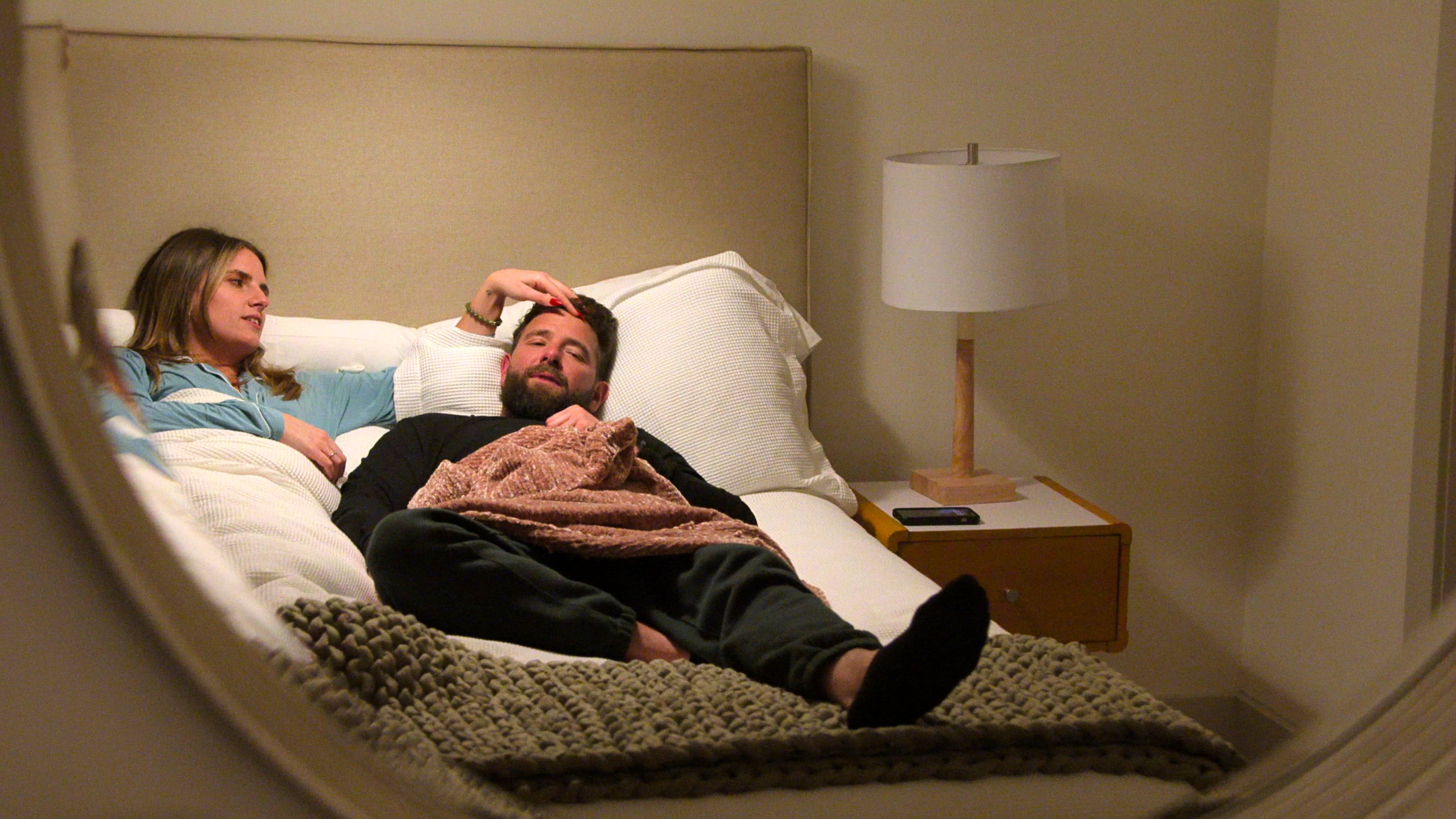
Of course, the idea of women being “more mature” and ready to settle down and have children earlier than their male counterparts is nothing new. But here we have a show whose whole premise is based upon connections ideally leading to marriage, in which the self-selecting participants have declared that they are in a position to make a lifelong commitment. As the episodes progressed, it became progressively clear that only the women in these pairings actually understood that assignment.
These women were the living embodiment of the fact that Massachusetts is ranked as the most educated state in the US: they were smart, ambitious, eloquent, driven and financially independent, while also having done the hard emotional graft necessary to be in a supportive partnership.
There was Sarah, gently re-educating John on late-stage abortion and women’s bodily autonomy with endless grace and tolerance; Erika, prepared to compromise with a man of no fixed abode who lived on a boat (yes, really) while he offered zero concessions in return; Michaella, who, with the patience of a saint, compassionately listened to her fiancé’s drunken rantings without ever losing her cool.
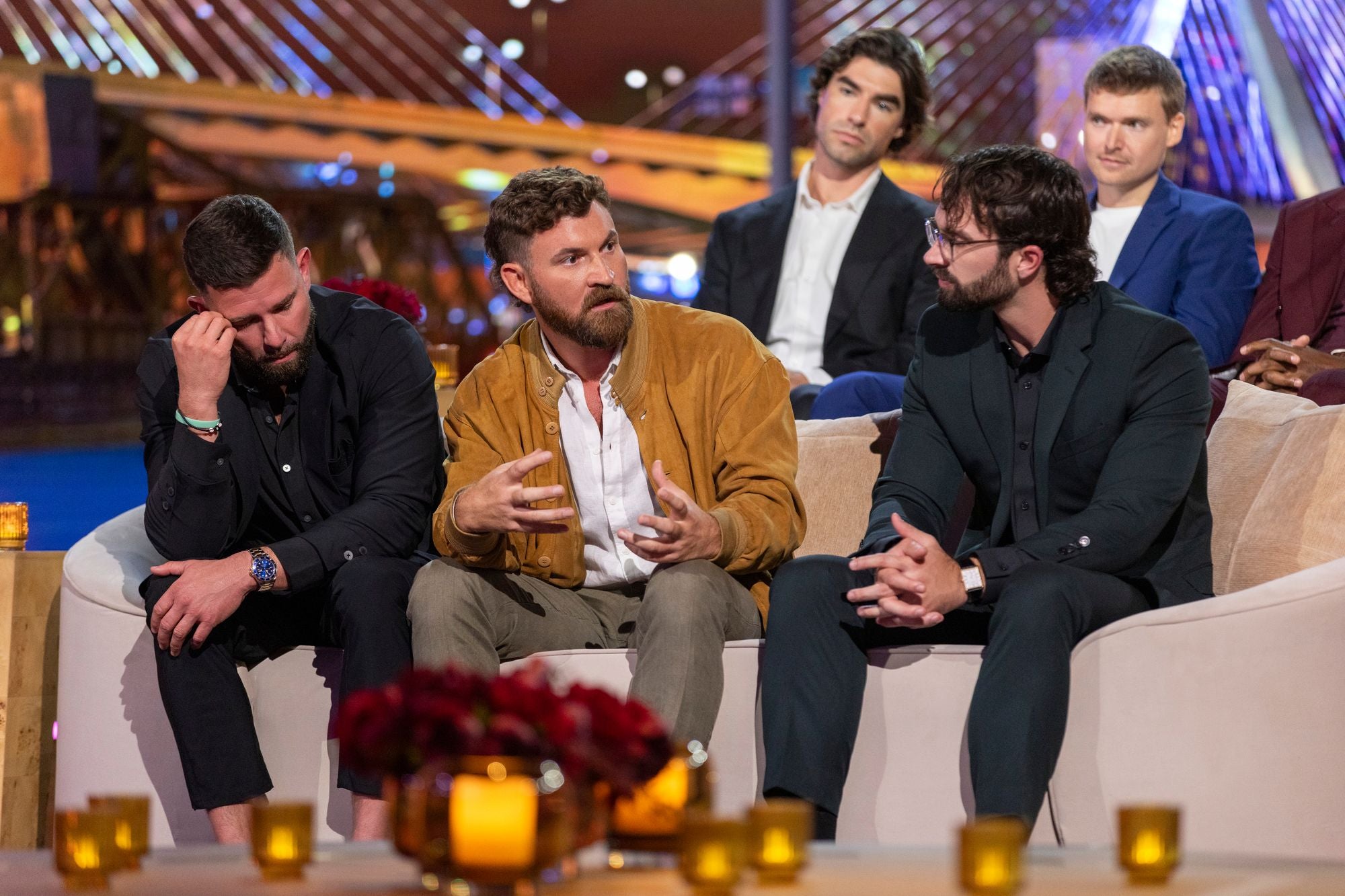
In the explosive reunion episode, these women keep uttering the same phrase over and over again: “I don’t think he’s a bad guy, but he wasn’t ready for marriage.” You can see the frustration in their eyes.
I call this the real ‘girl maths’ – women who think they might want a baby having to constantly reverse-calculate back from their late thirties in a way that men are usually utterly oblivious to

Watch Apple TV free for 7 day
New subscribers only. £9.99/mo. after free trial.
Plan auto-renews until cancelled.
ADVERTISEMENT. If you sign up to this service we will earn commission. This revenue helps to fund journalism across The Independent.
Despite proposing, each of these men seemed completely incapable of visualising the future and setting in motion the steps that might be necessary in order to achieve it. All of them professed to desire a family; none of them seemed to understand that converting this from abstract fantasy into reality takes concrete action and planning.
This was perfectly encapsulated by a conversation between Erika, 35 at the time of filming, and Blake (the boat guy), two years her senior. She asks if he’d be ready to start trying for a baby in three years – by which point he’d be 40 – a generous deadline given her age and the fact they’d both said they wanted kids. Panic visibly flashes across his face; he starts running his hands through his hair in distress, as if the “three years” referred to the amount of time he had left to live after a terminal diagnosis.
“I want to have children, but I love my life the way it is,” he tells her. “But I don’t want Christmases when I’m older by myself. You know what I’m saying? I want that full house with, like, children and grandchildren running around.”
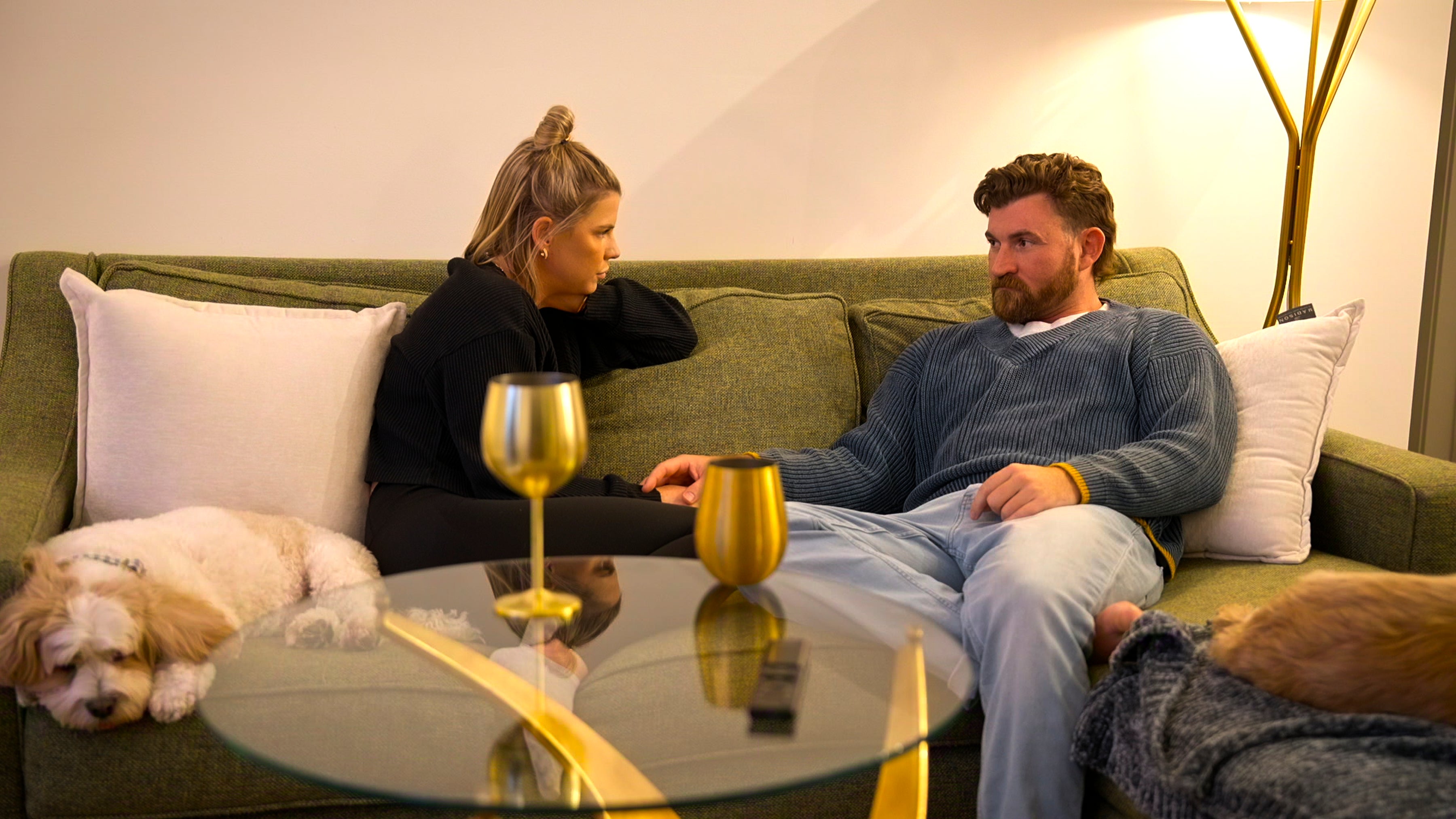
The phrase “wanting your cake and eating it too” springs to mind; one gets the impression that Blake believes a fully formed, ready-made family, complete with charming, rosy-cheeked offspring, will simply spark into being on the day of his choosing. Erika, meanwhile, is forced to point out how the passage of time works: “You have to start somewhere for that to happen.”
Any woman in her thirties who has done the dating rounds will be painfully familiar with this conversation, or something like it. The blithe entitlement of a “sure, I want kids someday” comment, casually uttered by a 45-year-old man, is enough to make those of us with a marked and finite fertility window want to hurl things out of the window. That “someday” seems to stay forever slightly in the future, just around the corner yet just out of reach – a state of arrested development that’s easy enough to maintain provided one keeps dating younger and younger women to keep the pressure off.
I remember a friend, now happily married with kids, having to patiently explain to her then-boyfriend, now-husband, a decade ago about the timeline necessitated by menopause. How, if he wanted to have two children before he was 40, and they wanted to be married before starting a family, he would realistically have to propose within the next year, a timeframe that totally flummoxed him. I call this the real “girl maths” – women who think they might want a baby having to constantly reverse-calculate back from their late thirties in a way that men are usually utterly oblivious to.
It’s all part of the exhausting gendered disparity that has seen women around the world being blamed for the global birthrate decline – “why have women stopped having children?”, scream the headlines – while simultaneously becoming solely responsible for baby-making.
It is up to us to do the biological clock sums, work backwards, and live our lives accordingly. If we want children, we bear the brunt of the decision-making; research has shown that it is women who overwhelmingly have to initiate family planning conversations and steer them, who have to push to start trying or issue ultimatums, who have to make fertility appointments and chase them up, alongside the demanding physical undertaking of tests, injections and insemination should treatment be required (not to mention the actual growing the baby part).
And all this while so often taking on the majority of domestic and emotional labour within a relationship too. It’s a wonder any woman manages to get a baby “over the line”, so to speak. At a certain point, simply tapping out completely looks like the more appealing option.
Yes, Love is Blind is just reality TV – a bit of fun and fluff to mindlessly consume after a hard day at work. But it also perfectly demonstrates the scale of the challenge single women are facing in 2026, endlessly waiting for a cohort of men to wake up and realise the truth: you can’t actually have your cake and eat it, too. At some point, you have to decide what you want.


