
Want to bookmark your favourite articles and stories to read or reference later? Start your Independent Membership today.
Already a member?
Log in
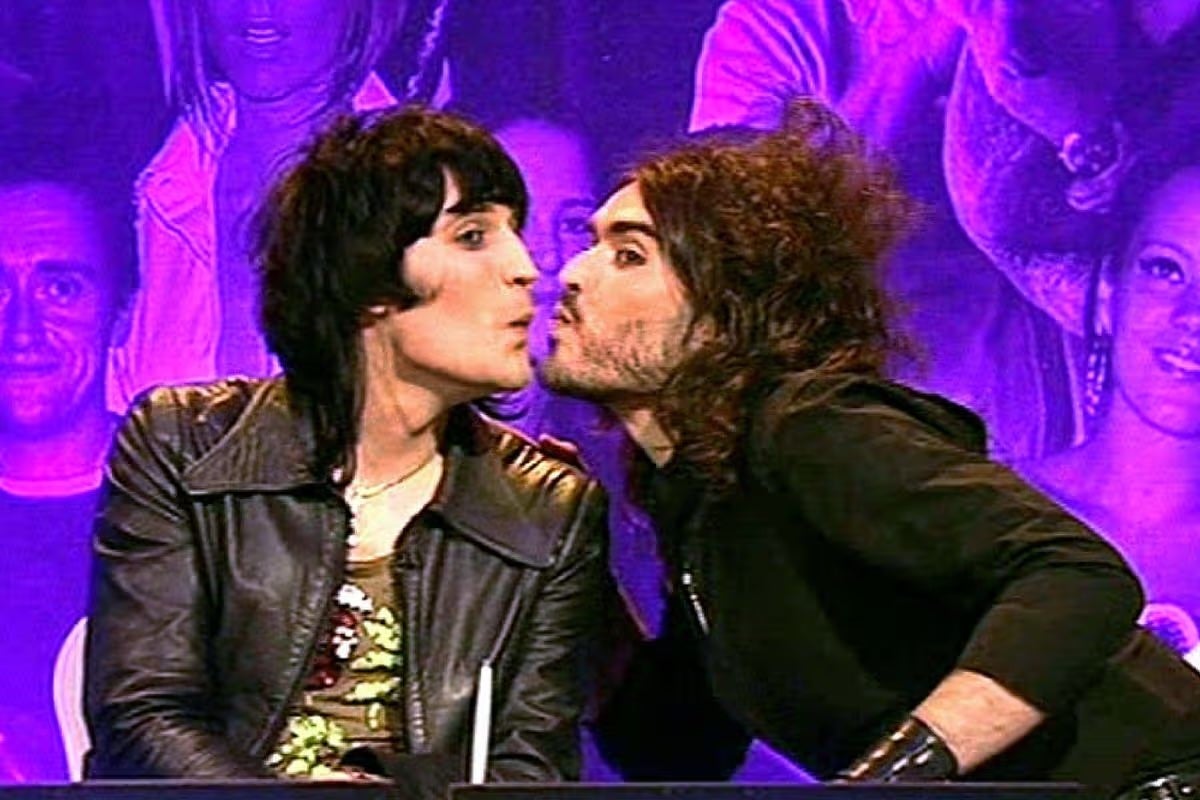
I take no pleasure in admitting I found Russell Brand very funny. When he appeared on Channel 4’s Big Fat Quiz of the Year in 2007, I rewatched the clips on YouTube incessantly. In one snippet, which has since gone viral in the wake of the comedian’s rape conviction, fellow panellist Jonathan Ross swaps seats with a then-21-year-old Lily Allen to protect her from “cocksmen” Brand and Noel Fielding. “Then, Lily might go home with her dress still on,” Ross says, before more rape jokes from both Brand and Fielding ensue.
It feels almost unfathomable now that this material could incite laughs, from me or anyone. Yet, you hear the audience cackle – and applause erupt. “I laugh along with it,” Allen admitted to Grazia in 2023. “In retrospect, that’s really horrendous. It makes me uncomfortable,” she says. “But I don’t think I felt that at the time, because it was the culture.”
The culture, yes, of rape being the punchline. In 2000s Britain, it was a common gag: in 2009, Jimmy Carr asked his audience, “What’s the difference between football and rape? Women don’t like football.” That same year at the Edinburgh Fringe, Ricky Gervais quipped to the crowd that he’d nearly knocked an old woman over while drink driving but raped her instead.
“You can’t do jokes about Black people or Asian people,” the Australian comic Jim Jeffries told The Guardian at the time. “But you can do a rape joke onstage now and there’s not a problem.”
This, of course, trickled down to the everyday. Rape jokes were everywhere in school: from ear rape (someone licking their finger and jamming it into your ear) to “frape” (Facebook rape), where another person would post something sexual or embarrassing to someone else’s profile when their account was left unlocked.
In my first year at university, we even dubbed one unlit street “rape alley”, then proceeded to walk that way home. That year (2015), research by OnePoll found that 71 per cent of people aged 18 to 24 had made a rape joke, or used the word flippantly.
These assault jokes, though everywhere, were somehow distanced from the horrendous crime of someone actually being forced into a violent sexual act. The conviction rate for rape at this time was similarly abysmal, with just over half (57.9 per cent) of reported cases in the UK making it through police investigations and CPS charging decisions to reach criminal court.
When the Harvey Weinstein abuse scandal broke in 2017, it was easy to see him as a monster; a titan of the entertainment industry who had the cash, clout and connections to cover up his heinous crimes, silence women, and continue. We could point the finger entirely at the perpetrator. Meryl Streep had referred to him in a 2012 acceptance speech as “God”. Who, aside from the very, very brave women who spoke out to the New York Times, would have known how to go up against that?
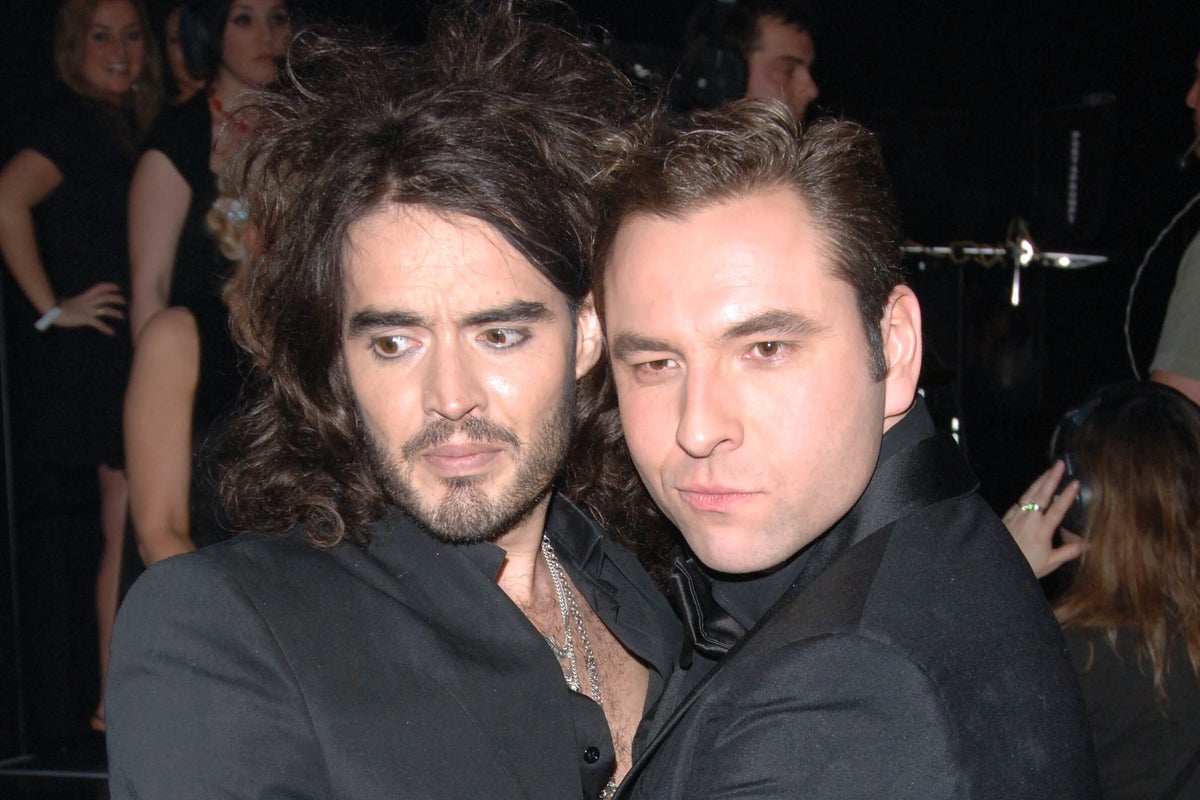
Contrastingly with Brand – and now David Walliams, who has been accused of grooming girls as young as 15 in a joint investigation by ITV News and The Guardian – allegations which he denies – the revelations cast a veil of shame not only over the men who abused their positions of power but those of us who laughed along with them, even when they were making the most repulsive remarks. Most people who came of age in the 2000s now have the compassion and clarity to know better, but it doesn’t diminish the repulsion that rape was often the subject of a casual joke.
From 2017, the MeToo movement made sexual harassment, coercion, assault and institutional protection of powerful men central subjects of public conversation. Jokes about women being sexually assaulted became more likely to be challenged, the distinction between consensual sexual humour and jokes that normalised coercion received more attention, and audiences became more willing to question comedians, rather than simply accept the defence that it was all “banter” from the boys.
At Latitude Festival in 2022, Frankie Boyle reportedly made a joke about raping and murdering Holly Willoughby – remarks that have aged worse than milk after the former This Morning presenter was the subject of a harrowing kidnap and murder plot in 2024.
The comedian subsequently faced criticism from Caroline Nokes, Conservative MP and then-chair of the Women and Equalities Committee, the campaign group FiLiA, and numerous newspaper commentators. Although rape jokes persisted behind the scenes, they were no longer acceptable on stage.
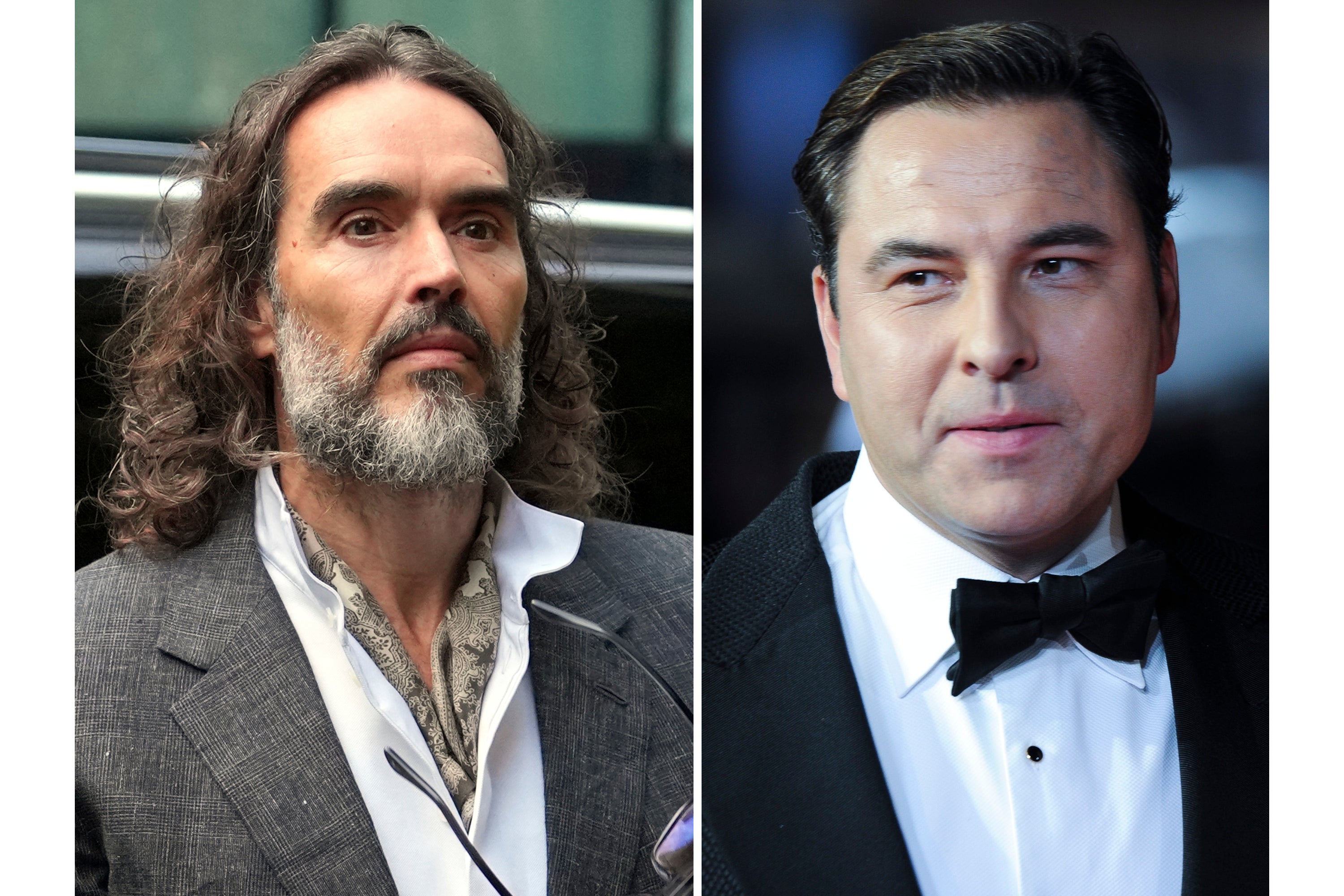
Brand, 51, was sentenced to 10 and a half years in prison on 9 November. Within 24 hours, Walliams, Brand’s former friend – and a guest at his wedding to Katy Perry – was accused of using his power and celebrity status to groom young women and teenagers for sex.
When MeToo erupted almost a decade ago, the UK’s focus was on politicians: Anthony Lester, Michael Fallon, both of whom resigned from their posts but denied allegations against them. Now, after stories about household names, entertainment could have its MeToo moment, too.
As Rosamund Urwin, one of the lead journalists who broke the initial allegations against Brand in a joint 2023 investigation with The Times and Channel 4’s Dispatches, wrote in the New Statesman following his sentencing: “I hope that Brand’s conviction proves to be Britain’s true MeToo watershed moment. That we look at how media organisations have indulged heinous behaviour from male ‘stars’ and covered it up.”
Additionally, we can take the opportunity to look back at ourselves, the behaviour that we applauded, and what that means for culture now: “It was a different time,” was a phrase I expected to hear uttered by those several decades my senior, not myself. But here we are.
Whether on a chat show, during a podcast, or on our algorithms from the depths of the manosphere, assault should never have been a laughing matter. Brand learned that the hard way. Let’s hope he’s not the last.


