

In what seems like an arms race between bacteria and medicine, doctors are turning to something rather unexpected to fight infections that no longer respond to antibiotics: viruses. While viruses are usually associated with making us sick, some of them could actually help save lives by hunting down and killing harmful bacteria.A new approach called phage therapy is gaining attention as scientists look for ways to tackle antibiotic-resistant infections. The results so far are encouraging. In a study involving 100 patients who received personalised treatment in Belgium, 77% showed an improvement in their condition. Now, experts from around the world have come together to issue the first international guidelines for using this treatment, bringing it a step closer to becoming part of clinical practice.
Fighting bacteria with viruses
Antibiotics have been one of modern medicine’s greatest achievements. They have made it possible to treat infections that could once be life-threatening, and have transformed everything from routine surgeries to cancer treatment. However, bacteria are becoming increasingly resistant to the medicines designed to kill them.The problem is that bacteria evolve. When antibiotics are used, some bacteria can survive the treatment and develop ways to resist it. These bacteria can then multiply, making infections harder to treat. Eventually, doctors may find that even several different antibiotics are unable to do the job. This is where bacteriophages, commonly known as phages, enter the picture.Phages are viruses that naturally infect bacteria. They attach themselves to a bacterial cell, introduce their genetic material and use the cell’s machinery to make more copies of themselves. Eventually, the bacterial cell breaks open, releasing the newly produced viruses, which can go on to infect other bacteria. Unlike many antibiotics that can affect several types of bacteria, phages tend to target particular bacterial species or even specific strains. This means they can attack the bacteria causing an infection while largely leaving other bacteria, including those that are useful to the human body, alone.But this comes with a catch: a phage that can kill one strain of bacteria may not work against another, even if they belong to the same species. Doctors therefore need to find the right virus for the particular bacteria infecting a patient.
What did the study find?
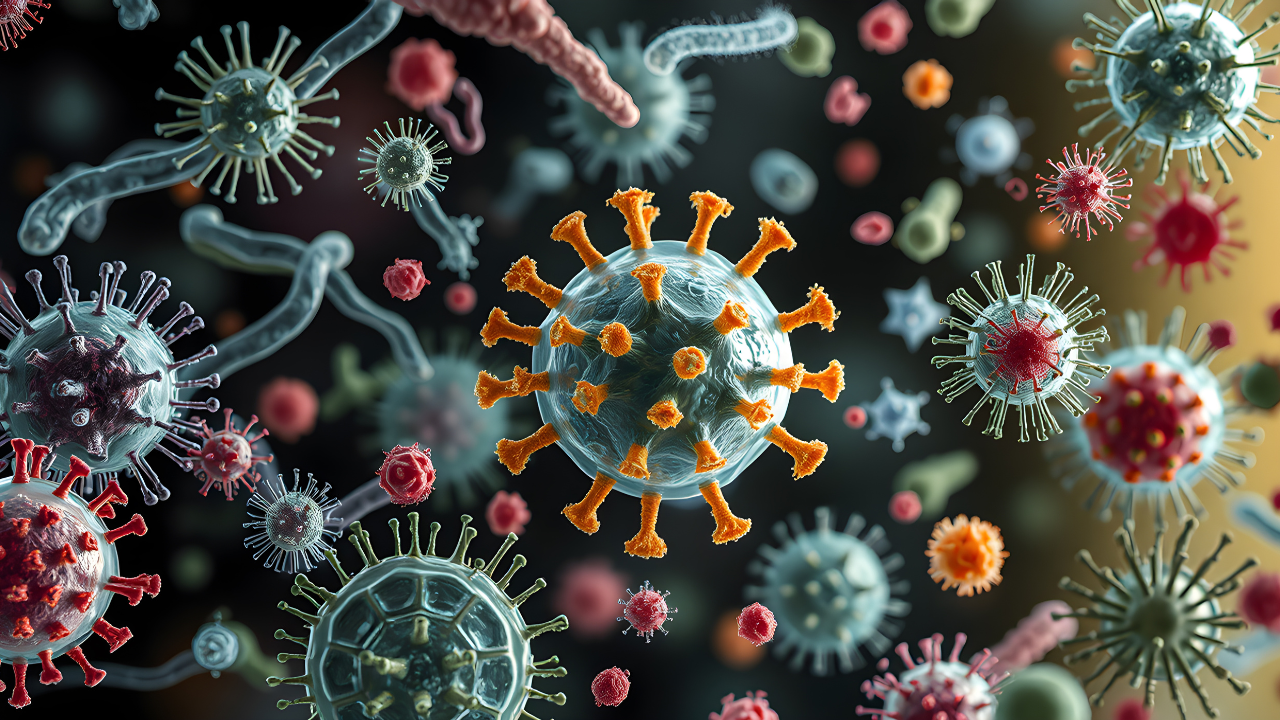
Doctors are using viruses against superbugs that drugs cannot beat.
A Belgian-led research consortium has been exploring the use of personalised bacteriophage therapy for difficult-to-treat infections. A study published in 2024 in the journal Nature Microbiology examined the first 100 consecutive cases treated through this approach.The patients had received treatment between January 2008 and April 2022. Their cases came from 35 hospitals across 29 cities and 12 countries, with the Belgian consortium helping coordinate access to the therapy. Many had infections that were difficult to treat and had already undergone conventional antibiotic treatment without sufficient success.The findings were promising. Around 77.2% of the infections showed clinical improvement following phage therapy, while the targeted bacteria were successfully eliminated in 61.3% of cases.The treatment was also often used alongside antibiotics rather than as a replacement for them. In fact, the researchers found that the elimination of bacteria was less likely when phages were administered without accompanying antibiotics. This suggests that the two treatments could work together, rather than doctors having to choose one over the other.However, the findings need to be understood in context. This was an observational study, not a controlled clinical trial. It cannot establish that phage therapy alone was responsible for the improvements, or tell us exactly how effective it would be across a larger group of patients. Still, it offers valuable evidence that the approach deserves further investigation.
The first international guidelines for phage therapy
One of the biggest challenges with phage therapy has been the lack of a common framework for using it. Since every treatment needs to be matched to a patient’s specific bacterial infection, the process involves considerable laboratory testing, careful preparation and medical supervision.To address this, an international team led by the German Society for Infectious Diseases has developed the first coordinated clinical guidelines for personalised bacteriophage therapy. Published in Nature Medicine in September 2026, the recommendations bring together 20 professional organisations, 18 international experts and two patient advocacy organisations.The guidelines contain more than 60 recommendations covering how doctors should select suitable phages, test their effectiveness, manufacture and administer them, and monitor patients throughout treatment. They also establish standards for quality control, laboratory facilities and the documentation of treatment outcomes.An important part of the process is finding a suitable match between the virus and the bacteria. Before treatment begins, laboratories must test whether a particular phage can actually kill the bacterial strain responsible for the infection. Doctors, microbiologists and phage specialists must work together to decide whether the treatment is appropriate.The guidelines also stress the importance of recording every case. Since the treatment is still being studied, keeping track of patient outcomes, side effects and bacterial responses will help researchers understand where it works best and where it falls short.
Can viruses become the future of antibiotics?
Phage therapy is not yet a replacement for antibiotics, nor is it a routine treatment for everyday bacterial infections. It is primarily being considered for patients with particularly difficult infections, especially when conventional treatments have failed or cannot be used safely.There are also complications to consider. Bacteria can develop resistance to phages too, and the human immune system may sometimes recognise and clear the viruses before they have had enough time to work. Finding a suitable match and preparing the treatment can also take time, which may be a concern when dealing with serious infections.Nevertheless, the approach offers an interesting possibility. Rather than relying entirely on developing stronger antibiotics, medicine could use naturally occurring viruses as another way to keep harmful bacteria in check. The battle against antibiotic resistance is far from over. But perhaps the answer does not always have to be a stronger drug. Sometimes, it might be a virus that knows exactly which bacteria to attack.


