
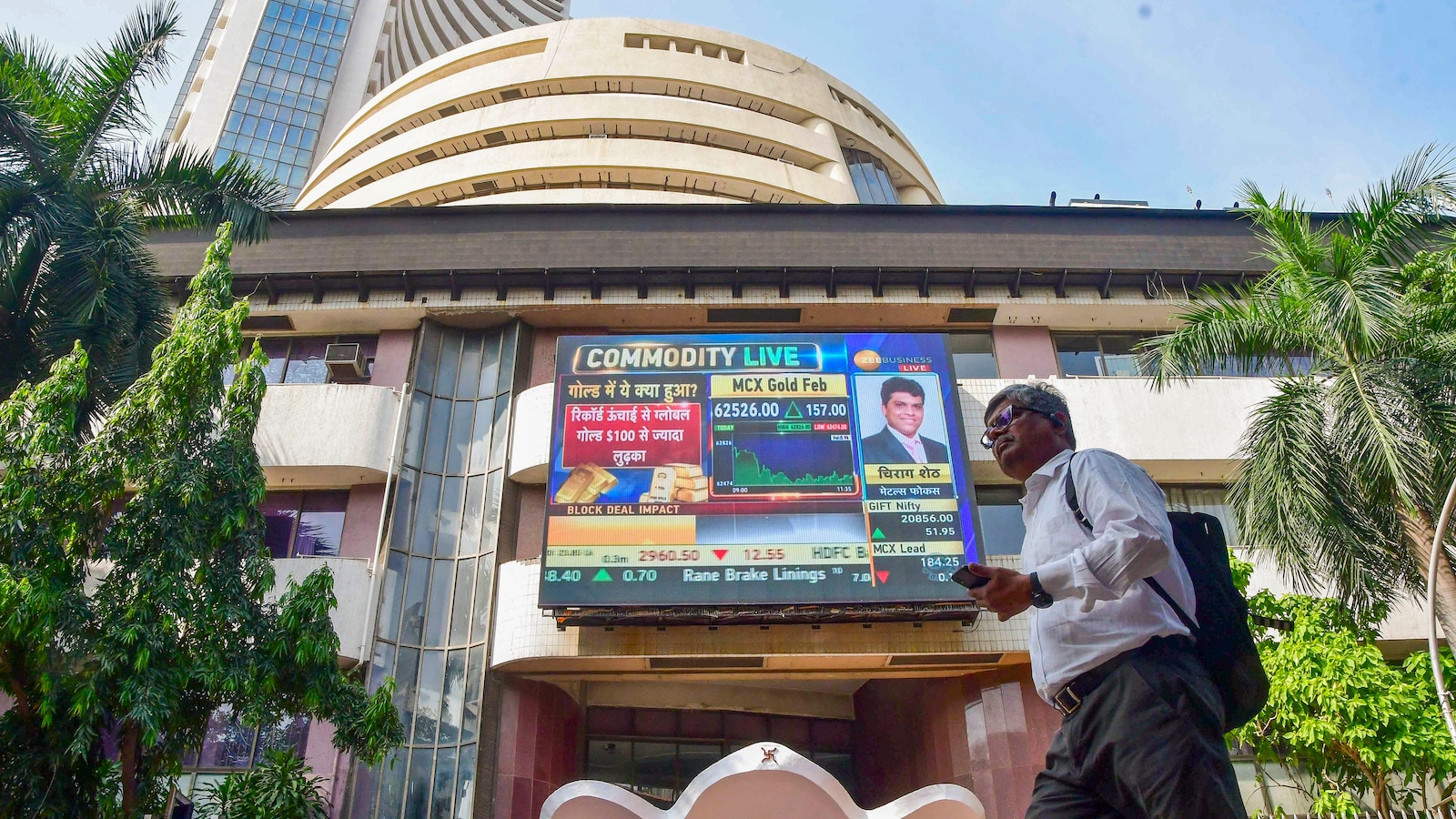
Despite today being a Sunday, the Indian stock market is open for trade for a special one-hour session. Also referred to as Muhurat trading, this session will mark the start of Samvat 2083, which is the new Hindu calendar year.
The equity cash market will trade for 70 minutes, from 2:20 PM to 3:30 PM. The window is short, and several segments have different timings, so here’s how the afternoon is laid out.
Muhurat Trading 2026: Full Schedule
Also Read | Layoffs Are Rising In Tech, But These Skills Are Helping People Unlock Better Pay
| Session | Timings |
|---|---|
| Block Deal Session | 1:50 PM – 2:05 PM |
| Pre-Open Session | 2:05 PM – 2:20 PM |
| Equity Cash Market | 2:20 PM – 3:30 PM |
| Equity Derivatives (F&O) | 2:20 PM – 3:40 PM |
| Closing Auction (Eligible Stocks) | 3:20 PM – 3:35 PM |
| Post-Close Session | 3:50 PM – 4:00 PM |
| MCX Commodity Derivatives | 2:20 PM – 3:30 PM |
| Corporate Bonds | 2:05 PM – 3:30 PM |
Key cut-offs to remember
If you plan to place after-market orders, the deadline is 1:55 PM, 25 minutes before the cash market opens. Orders placed after that time won’t be accepted for the session.
The cash market closes at 3:30 PM, but equity derivatives keep trading until 3:40 PM, so F&O traders get an extra 10 minutes to square off or adjust positions. Trade modifications are allowed until 4:15 PM, after the post-close session ends at 4:00 PM.
Settlement follows the normal T+1 cycle, so trades from today settle exactly as they would on any regular trading day.
ALSO READ | Samvat 2083: Where Nilesh Shah, Ramesh Damani, Raamdeo Agrawal And Other Market Veterans See Opportunity
Why Muhurat Trading matters
Muhurat Trading is a decades-old Diwali tradition on Dalal Street. Many investors use the session to make token purchases, which they see as a good omen for the year ahead, and brokers mark it as the opening of new account books.
Volumes are usually modest and much of the buying is symbolic, but the session is still a real trading window. Orders are binding, positions carry over and normal market rules apply.
Because the session is so short, prices can move quickly in thin trade. Place orders with clear limits, check your broker’s own cut-off times (some may close order entry earlier than the exchange) and keep an eye on the F&O and commodity windows if you trade those segments.
Essential Business Intelligence,
Sharp Market Insights,
Practical Personal Finance Advice, Daily Fuel, Gold and Silver Prices and Latest Stories — On NDTV Profit.


