
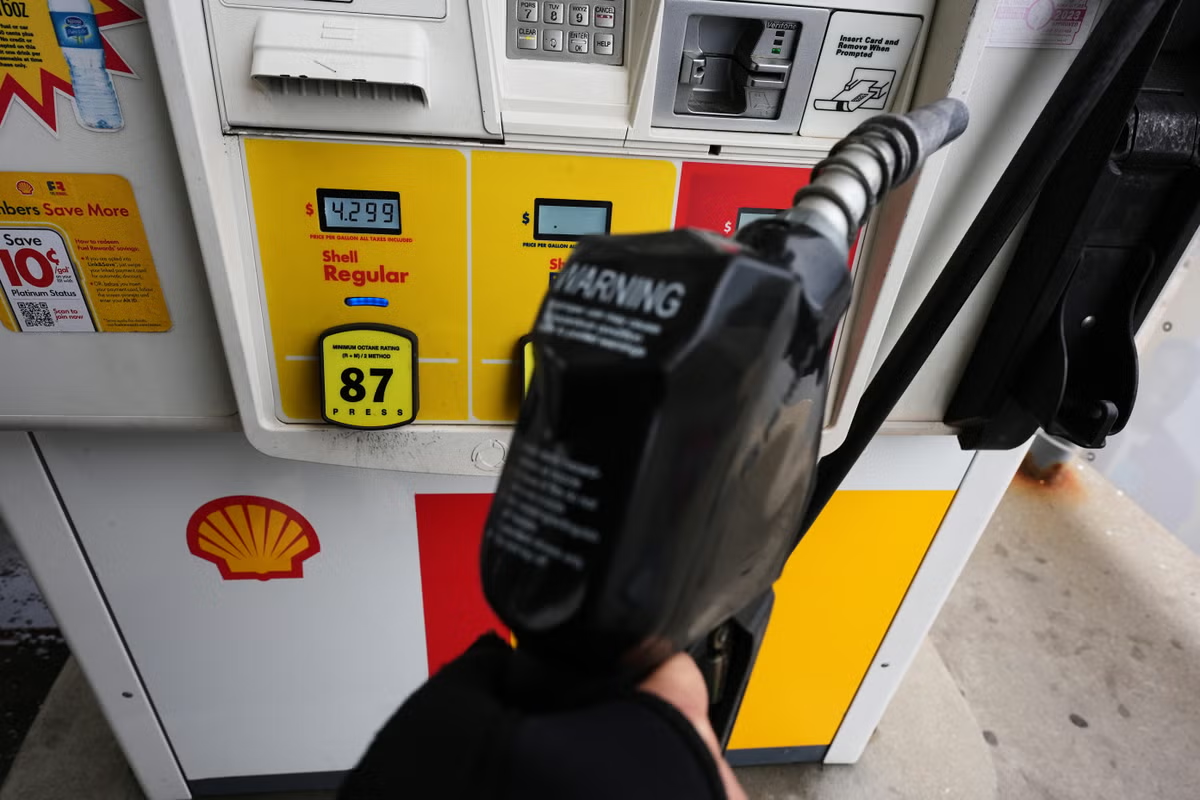
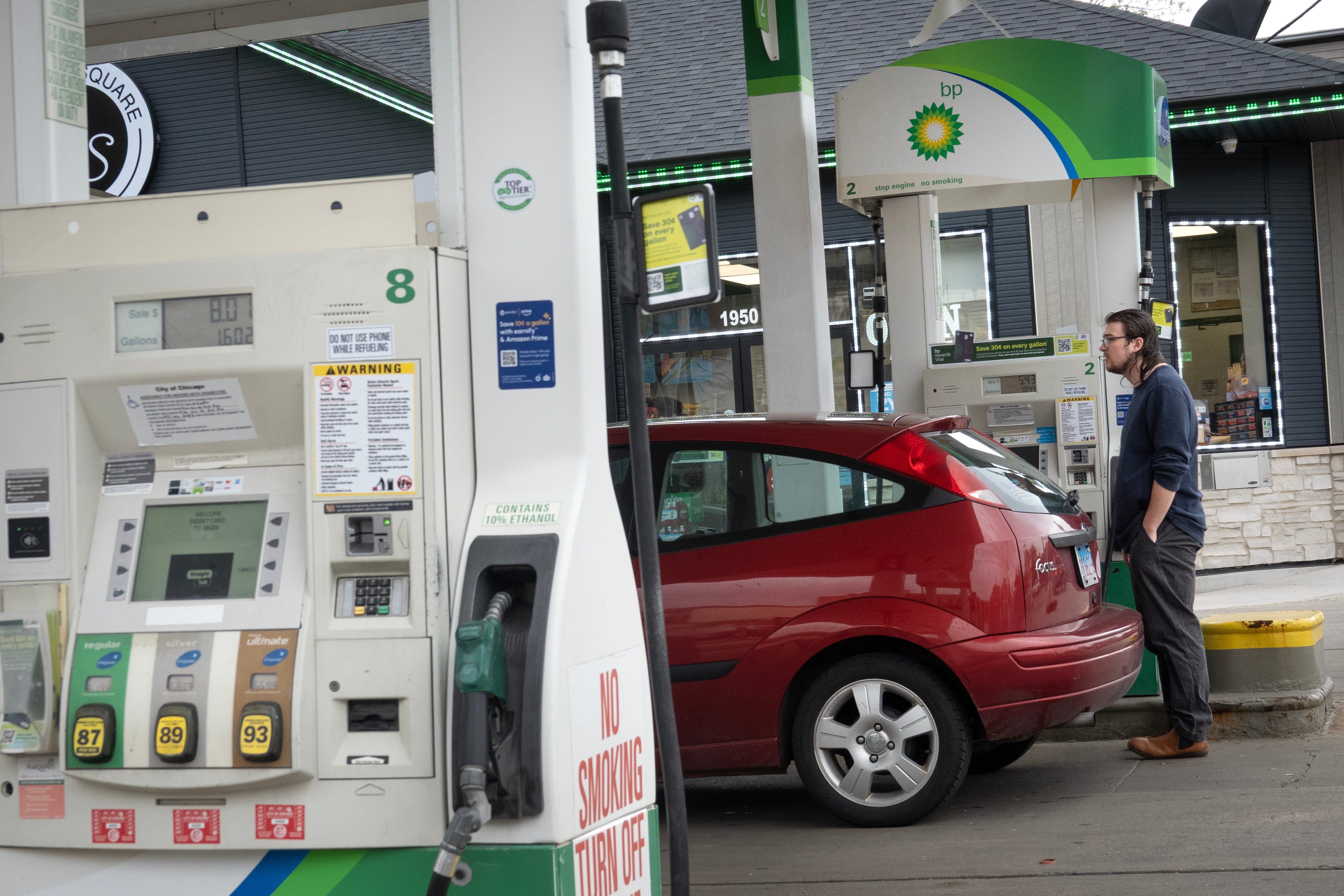
Iran has mocked surging energy prices as the regime tightened its grip on the Strait of Hormuz and oil pushed past $125 per barrel.
Mohammed Bagher Ghalibaf, the former head of the Iranian negotiating team, rubbished Donald Trump’s latest threats and warned that global oil prices would push to $140 per barrel unless Washington changes its approach.
“[Three] days in, no well exploded. We could extend to 30 and livestream the well here,” the country’s parliament speaker wrote, responding to Trump’s warning that Iran’s oil pipelines would “explode from within” in a matter of days if the US blockade held.
“That was the kind of junk advice the US admin gets from people like [treasury secretary, Scott] Bessent who also push the blockade theory and cranked oil up to $120+. Next stop:140. The issue isn’t the theory, it’s the mindset,” Ghalibaf continued.
The price of Brent crude oil surged past $125 a barrel early on Thursday as stalled US-Iran talks raised doubts over the reopening of the vital shipping waterway. Crude to be delivered in June jumped 6.2 per cent to $125.36 early Wednesday.
Renewed pressure on the energy markets came as Trump reportedly considered new options to reopen the Strait and end the war, including possibly putting boots on the ground to ensure commercial shipping could get through the Strait.
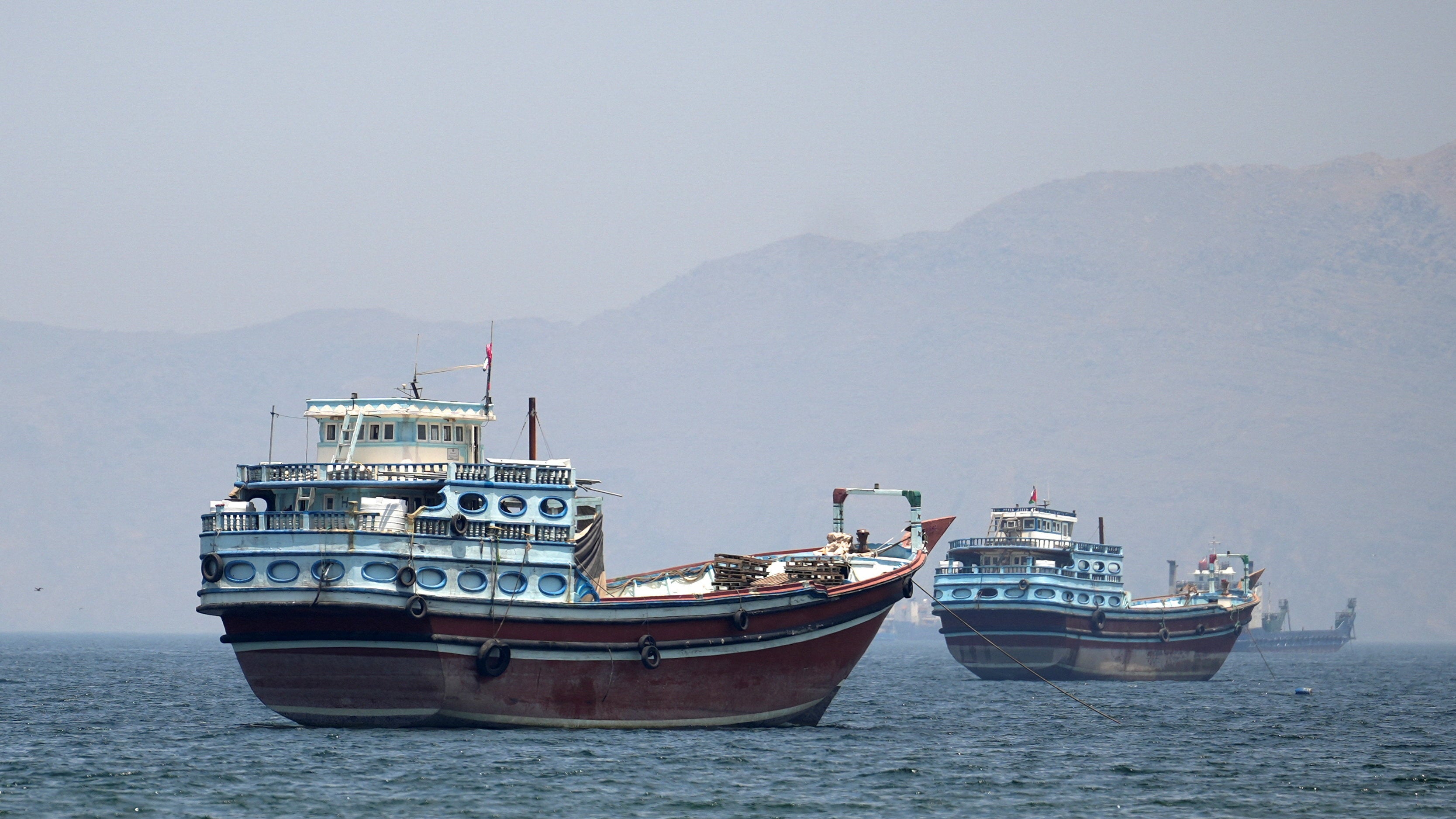
The US is now pushing for other countries to form an international coalition to restore freedom of navigation in the Strait of Hormuz, according to a State Department cable.
Trump insisted last month he did not “need help” from Nato allies in escorting ships through the strait. Days later he called allies “cowards” for not “want[ing] to help” reopen the channel to commercial shipping.
Britain and France have brought together dozens of countries to plan a multinational coalition to reopen the Strait “as soon as conditions permit, following a sustainable ceasefire agreement”.
Trump told Axios yesterday that he still sees the naval blockade on Iran as “somewhat more effective than bombing”, while Iran maintains it will not sit down for talks with the blockade in place.
With no clear path back to diplomacy, Trump is expected to be briefed on new military options for his war in Iran on Thursday, according to a report.
US Central Command commander Adm. Brad Cooper will present plans to the president aimed at breaking the deadlock, sources told Axios.
.jpg)
Centcom is said to have mocked up options including a “short and powerful” wave of strikes on Iran, likely including infrastructure, sources said.
Another plan could see the deployment of ground forces in a bid to take over part of the Strait of Hormuz and reopen it to commercial shipping, one source told the US outlet.
A third option reportedly under consideration was using special forces to seize the stockpile of highly enriched uranium inside Iran.
European stock futures fell over one per cent on Thursday and oil prices rose after a report that the U.S. was considering more military action.
Futures tracking the pan-European STOXX 600 index were down 1.3%, as of 0623 GMT, with contracts tracking Germany’s DAX and France’s CAC 40 index down 1.3% and 1.1%, respectively.
In a sign the conflict and resulting energy supply disruptions are set to continue for longer, Mr Trump spoke on Wednesday with oil companies about how to mitigate the impact of a possible months-long US blockade, a White House official said.
“Prospects for any near-term resolution to the Iran conflict or a reopening of the Strait of Hormuz remain dim,” IG market analyst Tony Sycamore said in a note.
The Opec+ grouping of members of the Organisation of the Petroleum Exporting Countries and its allies is likely to agree a small increase of around 188,000 barrels per day in oil output quotas on Sunday, sources told Reuters.
The meeting comes just after the United Arab Emirates’ withdrawal from Opec, effective 1 May, which is expected to deal a blow to the oil producer group’s ability to control prices.
Although the Gulf nation’s exit would allow it to raise production after exports restart, analysts say that is unlikely to affect market fundamentals this year, especially with the Hormuz closure and other production disruptions from the war.”
Gulf countries, including the UAE, will take months to return to pre-war production volumes,” Wood Mackenzie analysts said in a note.

