
NEWYou can now listen to Fox News articles!
If you use an Android phone, there is a good chance this case affects you. Google has agreed to a $135 million settlement over claims that its Android system used people’s cellular data without permission. The part that caught our attention is when it allegedly happened.
According to the lawsuit, these data transfers could take place in the background, even when your phone was not in use. Most people assume that if their screen is off, nothing is happening. That isn’t always the case.
Sign up for my FREE CyberGuy Report
- Get my best tech tips, urgent security alerts and exclusive deals delivered straight to your inbox.
- For simple, real-world ways to spot scams early and stay protected, visit CyberGuy.com – trusted by millions who watch CyberGuy on TV daily.
- Plus, you’ll get instant access to my Ultimate Scam Survival Guide free when you join.
HACKERS ABUSE GOOGLE CLOUD TO SEND TRUSTED PHISHING EMAILS
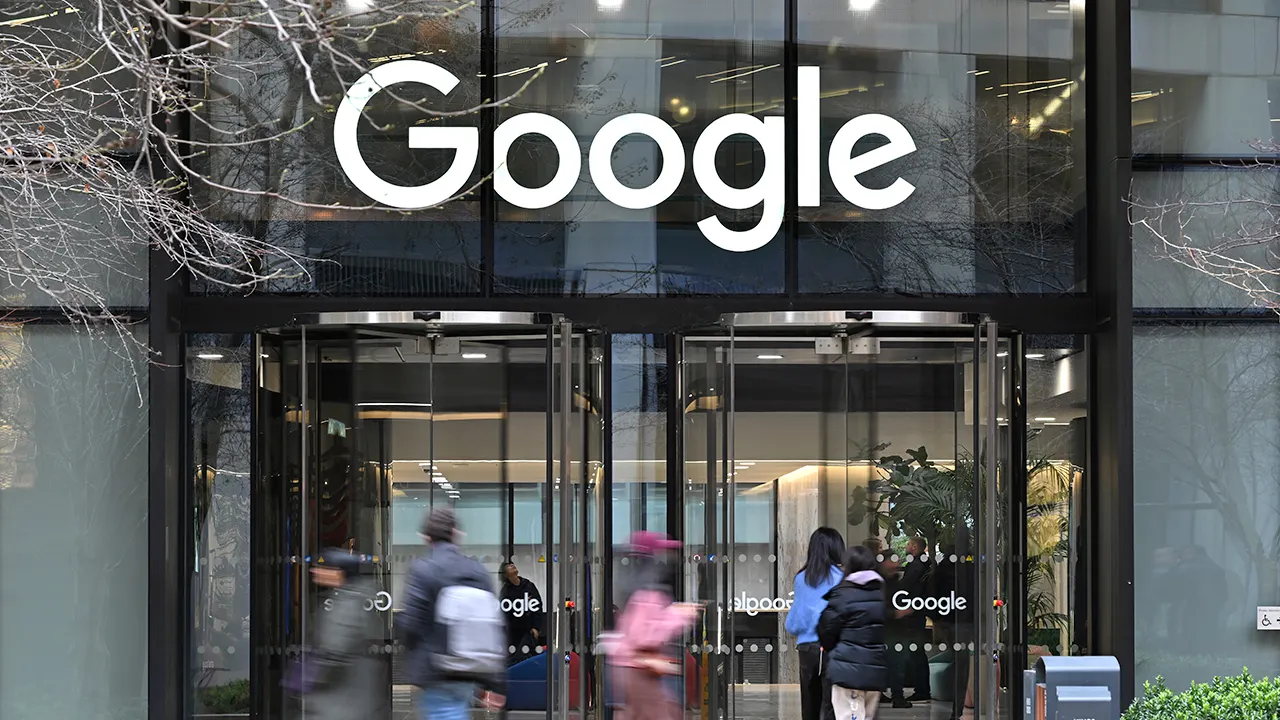
The lawsuit claims Android software sent data to Google in the background, even when the phone was not in use. (John Keeble/Getty Images)
What the lawsuit says your Android phone was doing
At the center of this case is how Android handled background activity. The lawsuit claims Android devices were sending information back to Google servers without clear user consent. This reportedly happened over cellular networks, which means it may have used data you were paying for.
That detail matters. If something runs over Wi Fi, most people do not think twice about it. Cellular data is different. It is limited for many users and often tied to monthly costs.
The plaintiffs argue that Google could have restricted these transfers to Wi Fi. Instead, they say the system used cellular connections, which shifted the cost to users. Google has denied wrongdoing but agreed to settle the case.
“We are pleased to resolve this case, which mischaracterized standard industry practices that keep Android safe. We’re providing additional disclosures to give people more information about how our services work,” José Castañeda, a Google spokesperson, told CyberGuy.
Who may be included in the settlement?
This case covers a huge number of people. If you used an Android device on a cellular network at any point after November 12, 2017, there is a good chance you are part of the group. The only major exception is if you are already included in a similar case called Csupo v. Google LLC. Estimates suggest around 100 million users could qualify. That makes this one of the larger consumer tech settlements tied to everyday phone use.
How much you might actually receive
Before you start planning how to spend it, this is likely to be a modest payment. The settlement fund is $135 million. When that is divided across millions of people, the amount per person will depend on how many claims are filed. In most cases like this, payments tend to be small. Think of it as getting reimbursed for something you did not realize was costing you.
ALLSTATE SUED FOR ALLEGEDLY TRACKING AND SELLING 45M AMERICANS’ LOCATION DATA
The case focuses on whether those background transfers used cellular data that users were paying for. (Kury “CyberGuy” Knutsson)
How to claim your payment
The process is already underway, but it is simpler than most people expect. In many cases, you do not need to file a full claim form to be included. If you qualify, you are already part of the settlement unless you choose to opt out.
That said, there are a few steps worth taking to make sure you actually get paid.
- Start by checking your email or physical mail for a notice about the settlement. Some users are receiving a class member ID or notice code, which makes the process faster.
- Next, visit the official settlement website at federalcellularclassaction.com and confirm your eligibility. This is also where you can enter or update your payment details. You will typically be able to choose how you want to receive your money, including options like direct deposit or popular payment apps.
- If you do nothing, you may still receive a payment automatically, but there is a higher chance of delays or missed payments if your information is outdated. You only need to take extra steps if you did not receive a notice, your contact details have changed, or you want to opt out or object to the settlement.
The timeline you need to know
There are a couple of important dates to keep in mind. The deadline to opt out or object to the settlement is May 29, 2026. The final approval hearing is scheduled for June 23, 2026. If the court approves the deal, payments will follow after that process wraps up.
Why this situation matters beyond the settlement
This case taps into something bigger than one payout. Smartphones are designed to stay connected at all times. That includes background activity that most people never see. While that constant connection powers useful features, it also creates gray areas around consent and cost.
Situations like this raise a simple question. How much do you really know about what your phone is doing behind the scenes? It also puts pressure on companies to be clearer about how data is used and when it is being transmitted.
We reached out to Google for comment, but did not hear back before our deadline.
The $135 million settlement could lead to payments for Android users who used cellular data after 2017. (Kurt “CyberGuy” Knutsson)
What the Android data lawsuit means for you
Even if the payout ends up being small, the takeaway here matters more than the money. Your phone may be using data in ways you do not notice. That includes apps you rarely open and system services running in the background. Taking a few minutes to check your settings can give you more control.
Check which apps are using background data
(Settings may vary depending on device manufacturer)
Samsung/Android: Go to Settings > Connections > Data usage > Mobile data usage > then tap an app to see its data use and background activity.
Limit background data for specific apps
(Settings may vary depending on device manufacturer)
Samsung/Android: Go to Settings > Connections > Data usage > Mobile data usage > tap an app > toggle Allow background data usage off
This stops the app from using cellular data when you are not actively using it.
Reduce data use for updates and backups
(Settings may vary depending on device manufacturer)
Go to Settings > Software update > Auto download > Using Wi-Fi only
For apps, open the Google Play Store > tap your profile > Settings > Network preferences > App download preference > choose Over Wi-Fi only > OK
These small changes can help you avoid using cellular data without realizing it and give you more visibility into what your phone is doing behind the scenes.
Take my quiz: How safe is your online security?
Think your devices and data are truly protected? Take this quick quiz to see where your digital habits stand. From passwords to Wi-Fi settings, you’ll get a personalized breakdown of what you’re doing right and what needs improvement. Take my quiz here: CyberGuy.com
CLICK HERE TO DOWNLOAD THE FOX NEWS APP
Kurt’s key takeaways
This case is a reminder that the devices we rely on every day are doing more than we see. Most of the time, that works in your favor. Sometimes, it raises questions about transparency and control. Google chose to settle without admitting fault. That leaves room for debate about what really happened. It also highlights how quickly technology can outpace what users expect or understand. As phones become even more connected, these kinds of cases will likely keep coming.
Should companies like Google be allowed to use your cellular data in the background without clear permission, even if it powers features you rely on every day? Let us know your thoughts by writing to us at CyberGuy.com
Sign up for my FREE CyberGuy Report
- Get my best tech tips, urgent security alerts and exclusive deals delivered straight to your inbox.
- For simple, real-world ways to spot scams early and stay protected, visit CyberGuy.com – trusted by millions who watch CyberGuy on TV daily.
- Plus, you’ll get instant access to my Ultimate Scam Survival Guide free when you join.
Copyright 2026 CyberGuy.com. All rights reserved.

