

At 18, Abhinav Mehta has helped build a student-led battery recycling network that has collected and recycled more than 23,000 used batteries. The initiative began with a small collection bin in a corner of his school commons. Mehta had noticed that used batteries were often being thrown away instead of being recycled properly. He learnt that batteries in landfills can release harmful materials and create safety risks.According to Youth Service America, his organisation, Batteries4Better, now has more than 250 volunteers working across 10 regional chapters. The volunteers organise collection drives, build school and community partnerships, and educate the public about battery recycling. Mehta established Batteries4Better as a 501(c)(3) nonprofit organisation as the project expanded beyond school.
How Abhinav Mehta started the battery recycling initiative
Mehta’s work began after he noticed how many used batteries were being disposed of improperly. He also learnt about the harmful effects of batteries leaking in landfills. Concerned about the problem, he placed a collection bin in a corner of his school’s commons to gather used batteries for recycling.As the bin began to fill up, he decided to expand the effort beyond his school. He brought together student volunteers to organise collection drives and educational activities that would teach the public about proper battery disposal. The small school initiative gradually expanded into a wider effort involving students from multiple schools.
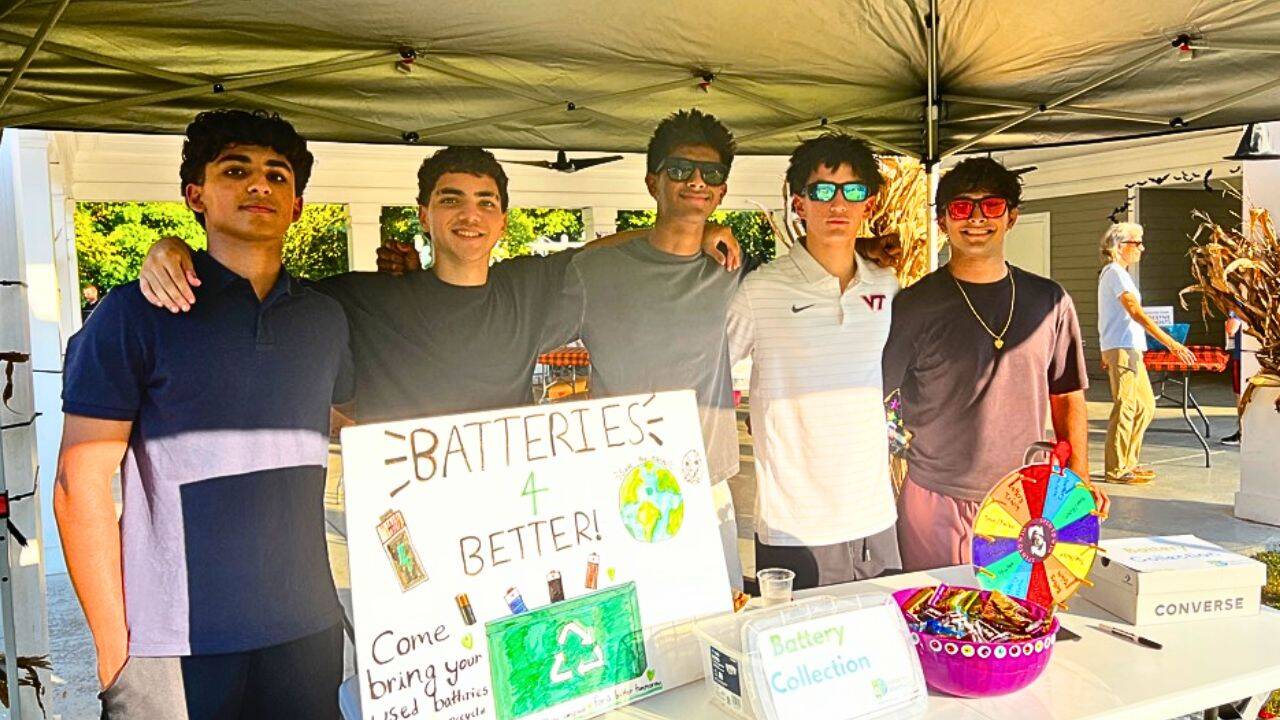
PC: Batteries4Better
Batteries4Better expands into a student-led nonprofit organisation
As the project grew, Mehta established Batteries4Better as a 501(c)(3) nonprofit organisation. Over the past year and a half, he has worked with a team of students from multiple schools to expand its activities. The group has organised battery collection drives and developed partnerships within schools and the wider community. It has also helped establish new chapters around the country.Students have been recruited for leadership roles, while outreach has expanded through social media. These activities have helped the initiative reach beyond its original school setting. The organisation’s work combines the collection of used batteries with public education about recycling and the involvement of students in local efforts. The organisation’s growth has depended on students helping to run activities locally.
More than 23,000 batteries collected across 10 regional chapters
Batteries4Better’s network includes more than 250 volunteers working through 10 regional chapters. Together, they have collected and recycled more than 23,000 used batteries. The volunteers have supported collection drives, formed partnerships with schools and community groups, and helped establish chapters in the country.The network uses educational efforts and social media outreach to inform the public about battery recycling. Students from multiple schools have taken part in the work, with some recruited to leadership roles.
Why proper battery recycling is important
The initiative addresses the risks associated with disposing of batteries. Batteries thrown into the trash can create serious fire hazards in garbage trucks and waste facilities. As they break down, toxic heavy metals such as lead, lithium, and mercury can also leach into soil and groundwater. Mehta’s collection bin was intended to ensure that used batteries were gathered and recycled properly instead of being discarded.The organisation has since extended that approach through collection drives and public education. Its work also involves partnerships with schools and communities, giving volunteers ways to support recycling efforts beyond a collection point.


