
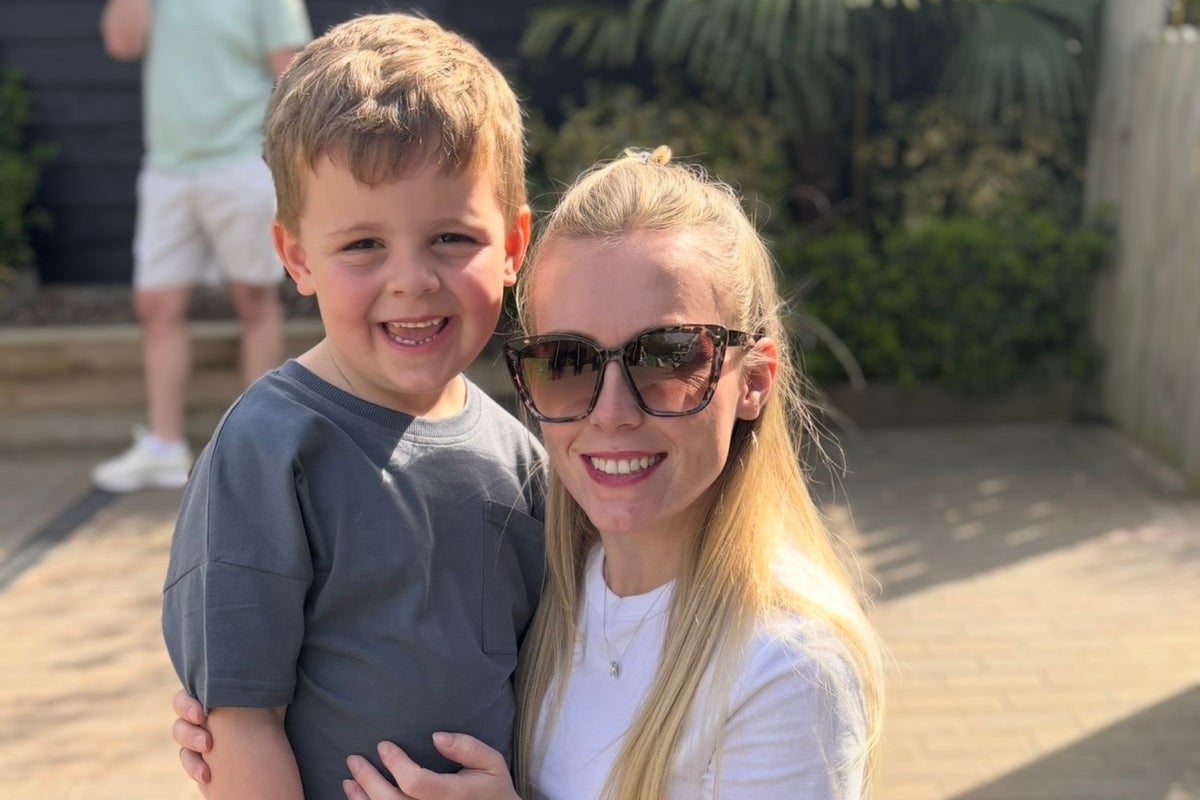
A “very active” six-year-old boy went from “limping intermittently” to needing a wheelchair within months of being diagnosed with a rare hip condition.
His mother, Stevie Mason, 33, said her son Billy first began limping in April 2026 before developing leg pain, which she initially dismissed as growing pains.
By August, he was diagnosed with Perthes’ disease, a condition that cuts off the blood supply to the top of the thigh bone, causing it to become soft and misshapen.
Stevie said she and her husband, Dean Mason, 36, from Colchester, Essex, were initially advised that Billy should use crutches, but one month later, he was told to use a wheelchair full-time.
She said doctors hope Billy’s bone will regrow into a rounded shape over the next two to three years, although there is no guarantee, and he now attends regular scans, physiotherapy and hydrotherapy sessions.
Stevie said Billy now struggles to dress himself, and his condition has affected the whole family, including Billy’s siblings, Annie, nine, and Louie, five, as they can no longer enjoy many of their usual activities together, but they are continuing to fundraise for future treatment.
Stevie said: “He went from still doing pretty much everything he wanted to do, to being in a wheelchair and having everything he loves taken away from him.
“I feel horrific; I’m not in a great place, to be honest – I’ve been referred for some therapy.
“I just think you always want the best for your kids and seeing them in pain, when there’s nothing you can do about it, is not an easy task.”
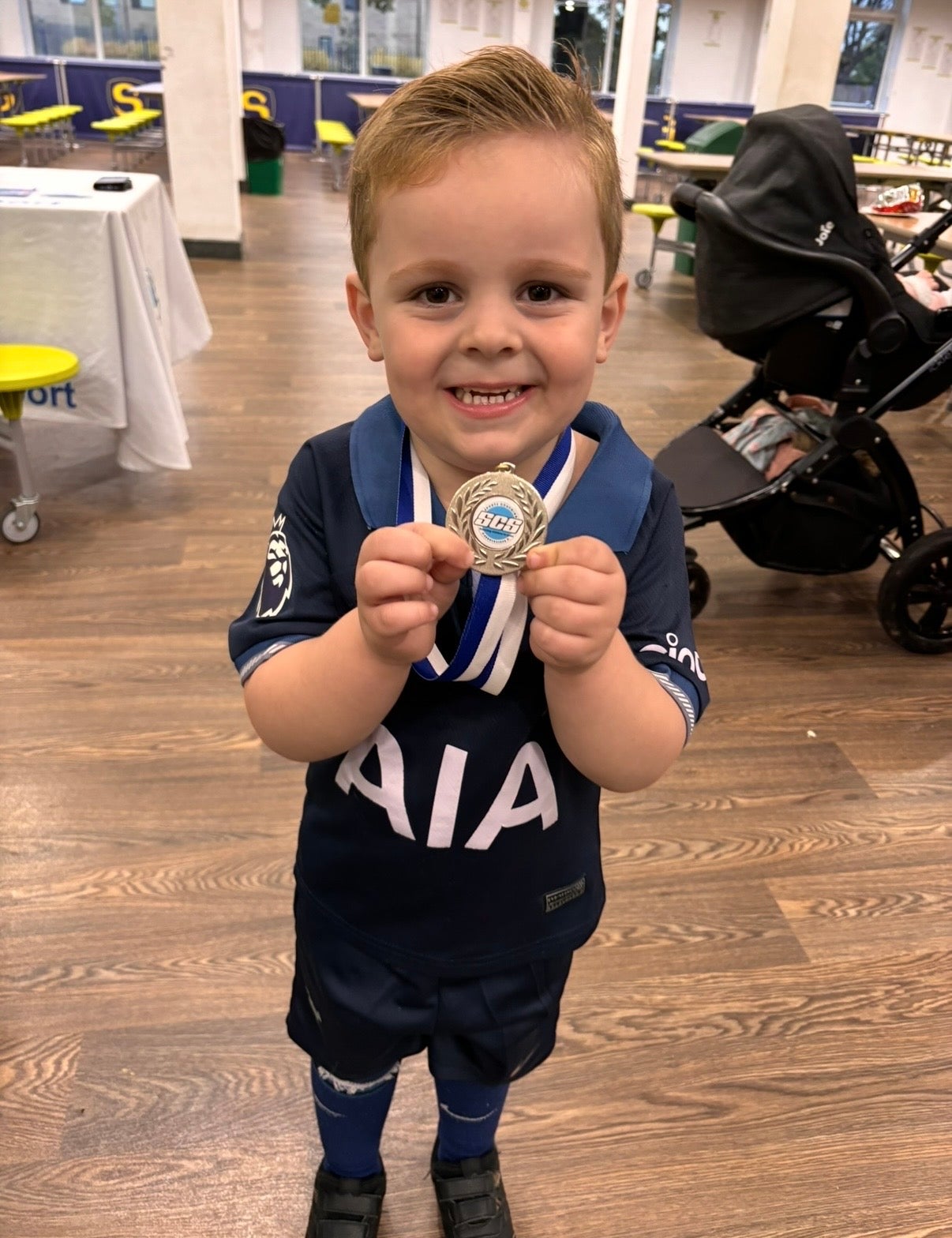
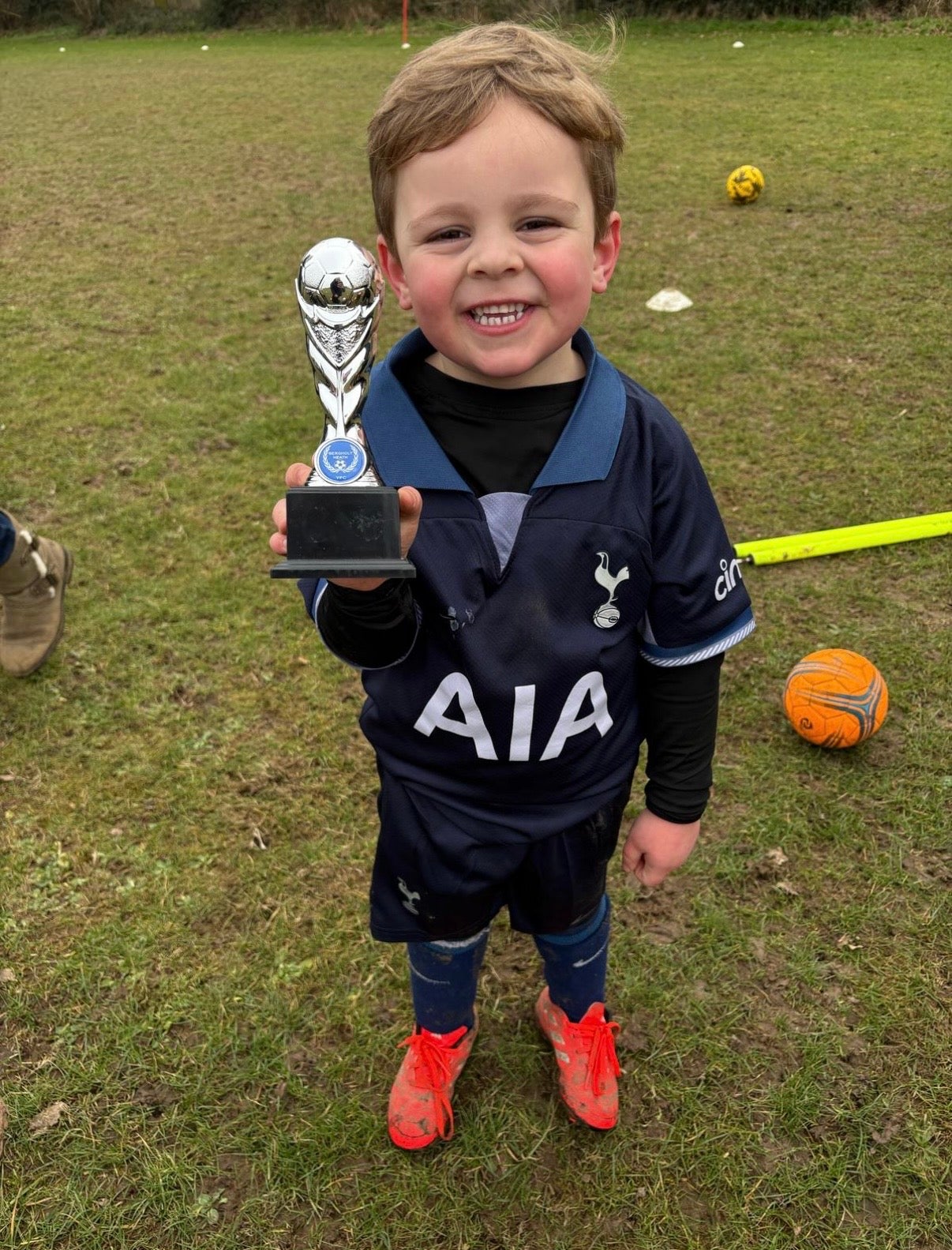
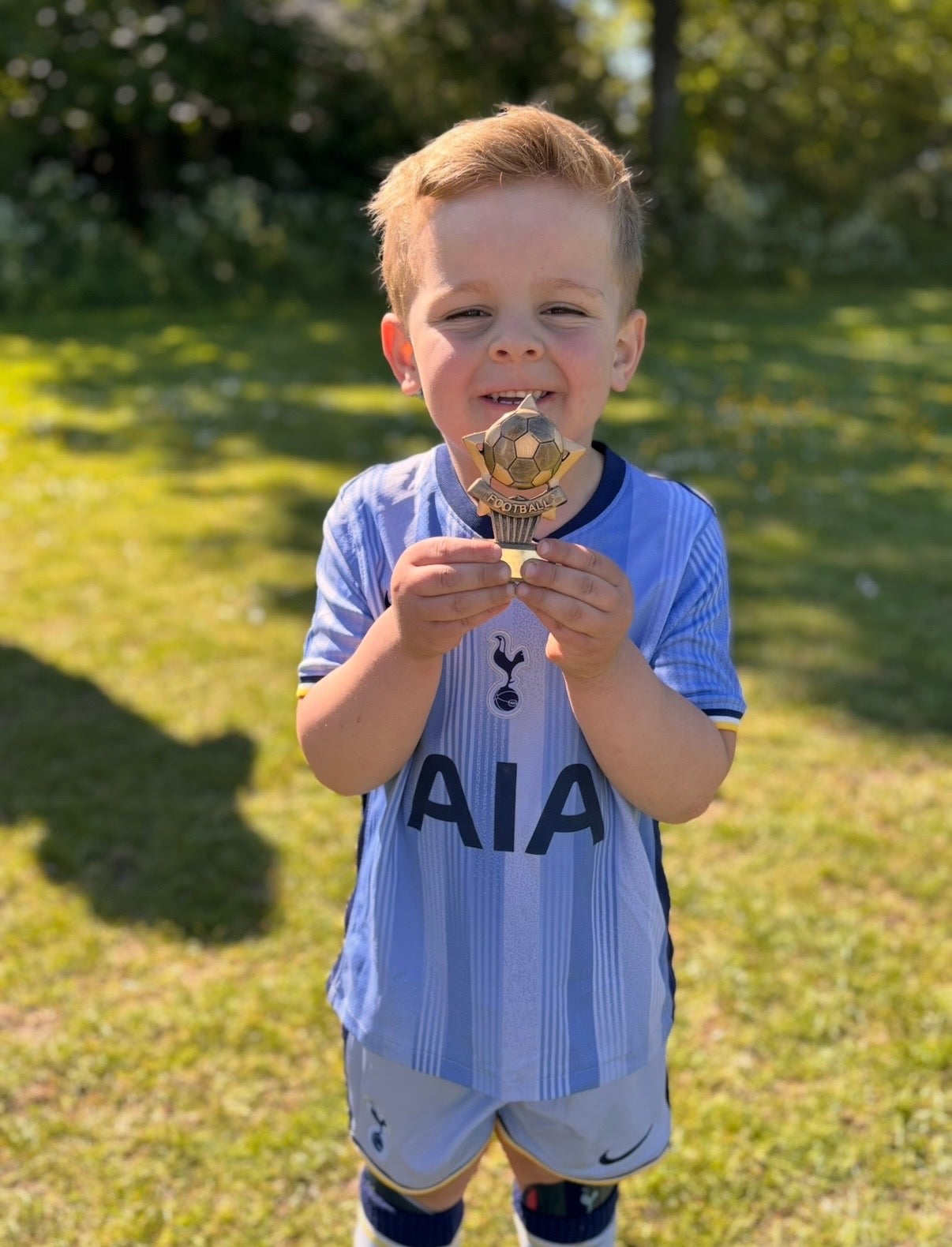
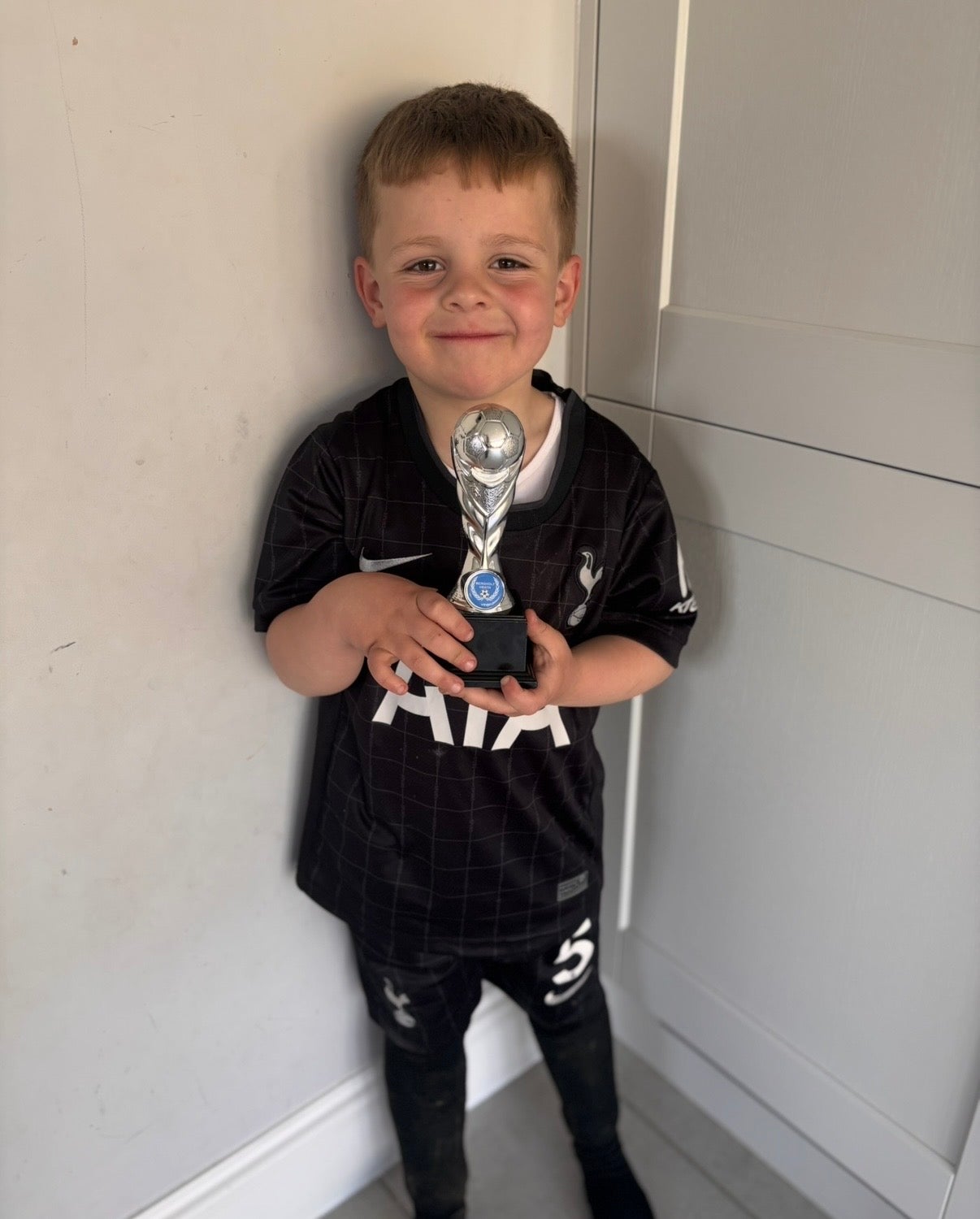
Stevie said Billy was “constantly on the go,” playing football three times a week.
However, in April 2026, he began “limping intermittently”, struggling to walk for a day at a time before “being fine” again.
After around a month of this, Stevie said he started “crying in the night” because of leg pain.
Stevie said: “We could never pinpoint where the pain was, so we just thought it was growing pains.”
The symptoms continued and, by August, Billy had not “gotten any better”, prompting Stevie to take him to the GP.
She said the doctor told her Billy “didn’t seem right” and referred him to a hospital consultant.
But before an appointment date came through, Stevie said Billy “woke up one day” in August and could “barely walk” because he was in “so much pain”.
Stevie said she took him to A&E, where he underwent several tests, including an X-ray, and was diagnosed with Perthes’ disease.
Perthes’ disease is a condition involving the hip joint affecting just one in 9,000 children, according to the NHS.
In Perthes’ disease, the blood supply to the top of the thigh bone becomes disrupted, causing the bone to become soft and change shape.
It is not known why this happens and there is no known link between physical activity or other childhood diseases and poor blood supply.
“We were just shocked, and it was so much to process,” Stevie explained.
She said she was initially advised to “limit” Billy’s activities and a private consultant said Billy should use crutches “on a bad day” when the pain was particularly “intense”.
Stevie added: “They said at that point, the blood supply had been cut off and his bone was squishy and soft.”
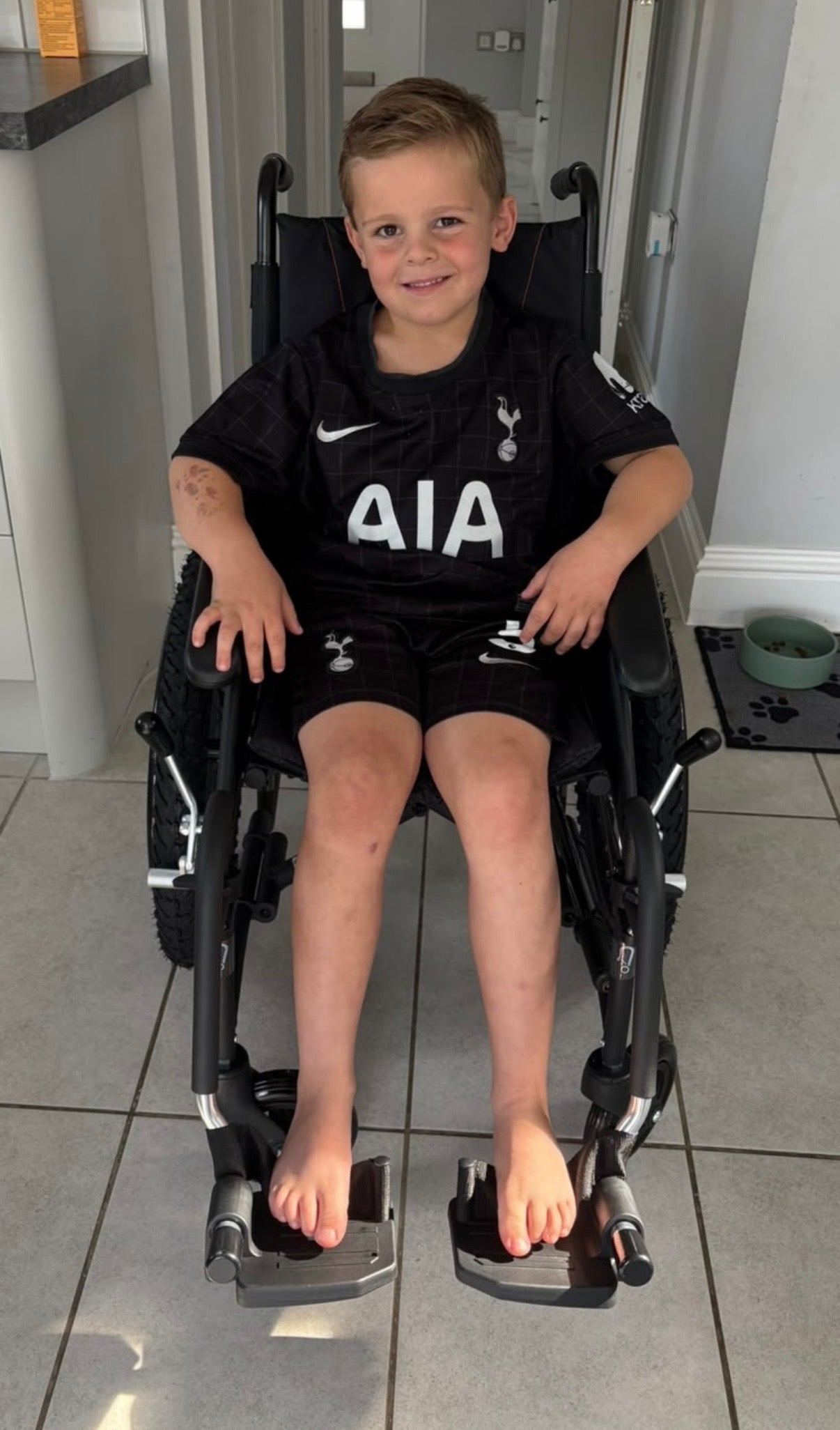
However, just a month later, during a private follow-up appointment, she said she was told Billy needed to use a wheelchair full-time.
“That time is all a bit of a blur, it all happened so quickly,” Stevie said.
“Thankfully, we were fortunate enough to have family that could help us out and buy us the wheelchair the next day.
Symptoms of Perthes’ disease
NHS Inform
The symptoms of Perthes’ disease are:
- pain in the groin, thigh, or knee, especially after activity
- limping
- stiffness and reduced movement of the hip
“The doctor said being in a wheelchair could help to ensure the bone grows back in a round shape and fits back into the socket over the next two or three years.
“If that doesn’t happen, he’d likely need surgery.”
Since starting to use a wheelchair, Stevie said Billy has “taken it really well” but is “missing his football”.
She explained: “His dad coaches his team, so he’s been helping him coach so he’s still involved and the team has been amazing.”
In September, Stevie’s sister, Georgie, launched a GoFundMe fundraiser to help buy Billy a £2,500 electric wheelchair.
“It meant he could go to the toilet by himself and move himself around a little bit – he isn’t constantly asking for help anymore,” she said.
However, Billy still needs a shower chair to wash, help getting dressed and he can no longer climb the ladder to his bunk bed.
Stevie added: “Just everything takes longer – getting in the car, making sure his wheelchair has the waterproof stuff on.
“I think my daughter’s struggling a little bit because obviously a lot of our time and energy is being invested in Billy at the minute.
“I think my youngest struggles because they can’t play together anymore.
“We’re not doing half the things we used to do as a family – we’re not going to trampoline parks, and we’ve had to say no to birthday parties.”
Stevie said she had also found it “hard” to “constantly explain” Billy’s condition because it is so rare, and people often assume he has injured himself because he is using a wheelchair.
Billy now has scans and X-rays every three to six months to monitor the bone’s growth.
He also attends weekly physiotherapy and hydrotherapy sessions to keep his leg mobile and encourage the bone to grow back into a rounded shape.
“I think it’s made me and my husband’s relationship even stronger, we’re tackling it as a team,” she added.
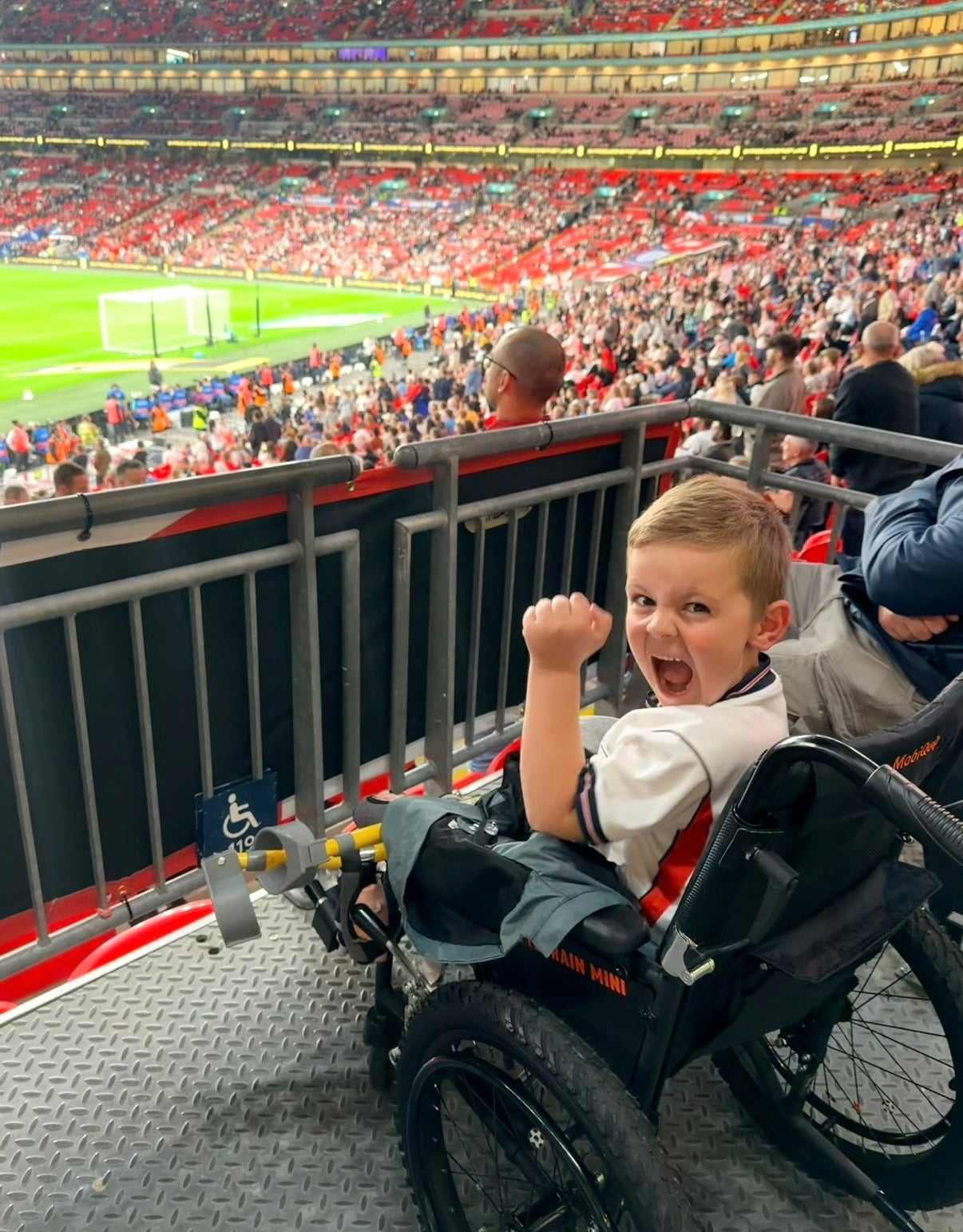
Doctors hope Billy will be able to stop using his wheelchair within two to three years, but “nothing is guaranteed”.
However, in some cases, complications can persist into adulthood and may eventually require hip replacement surgery.
Stevie and her family are continuing to raise money for Billy’s future treatment, with a fundraising target of £10,000, as well as additional physiotherapy and hydrotherapy sessions to “give him the best chance”.
Looking ahead, she said: “I worry every day what he’ll be like long term, but we’re trying to take each day as it comes.
“It’s just terrifying but all we can do is hope.”
To donate to the family’s fundraiser, visit: gofundme.com/f/help-billy-regain-his-independence.


