
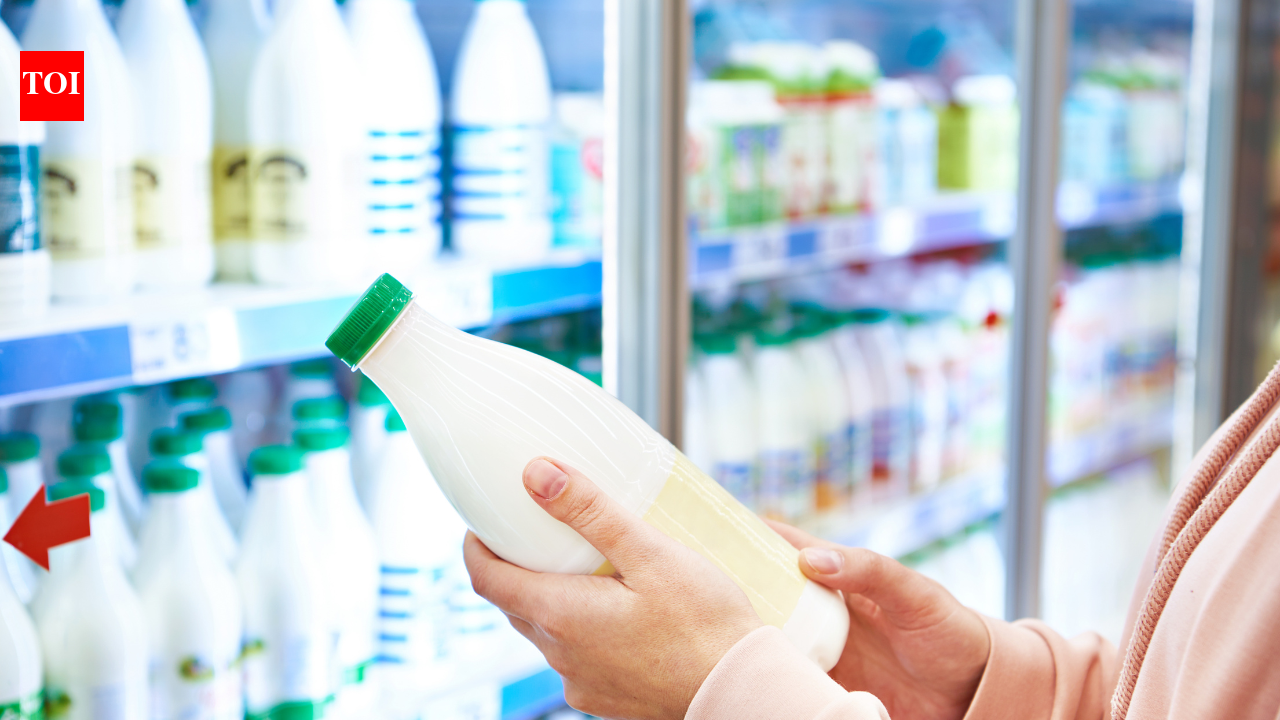
Somewhere between the entrance and the milk, you will encounter chips you did not plan to buy, a “limited edition” snack you will regret by Thursday, and a display of chocolate positioned with the strategic precision of a military operation. Then, finally, there it is: milk, sitting in the farthest possible corner of the store, chilled, unbothered, and apparently unwilling to make your life easy.It is a peculiar arrangement. Milk is not an obscure product or a novelty gadget or a seasonal impulse buy. It is one of those staples people walk into a supermarket specifically to purchase. Yet supermarkets routinely place it at the back, often beside other refrigerated items, as if the entire store layout has been designed around one simple principle: if you want the basics, you will first have to tour the merchandise.The obvious explanation is marketing. Supermarkets are not laid out by accident. The entrance usually welcomes you with produce, fresh bakery smells, or bright displays: items that make the store feel abundant and inviting. The essentials, meanwhile, tend to be scattered across the floor. Bread may be on one side, eggs somewhere else, and dairy tucked into the rear. To collect a basic shopping list, you are gently encouraged to cross paths with everything else the store wants you to notice.This is where impulse buying enters, wearing a very convincing disguise as “just picking up one thing.”
Marketing bets on impulse buying to sell more.
The checkout counter is the classic example. You have finished shopping. Your basket is full. Your self-control is already tired. And there, at eye level, sits chocolate, gum, batteries, magazines, and small snacks priced just low enough to feel harmless. Nobody walks into a supermarket planning to buy a chocolate bar while waiting to pay. That is precisely the point.Shelf placement works in similarly quiet ways. Higher-margin products often occupy eye-level shelves, while cheaper or staple alternatives sit lower down or higher up, requiring a little more effort to find. Sugary cereals frequently appear at a height convenient for a child sitting in a shopping cart: close enough to be seen, pointed at, and requested with the persistence only a child can sustain. Parents may recognise this as less of a shopping experience and more of a hostage negotiation.Even the route to essentials can feel suspiciously indirect. The quickest path to eggs and milk may lead you through snack aisles, beverage displays, and promotional stands. You came in for two items. You leave with six. One of them is a dip you did not know existed twenty minutes ago.But before we declare supermarkets villains in a well-lit, fluorescent conspiracy, there is another explanation, one that is less sinister and considerably more practical.
Milk is also placed at the back for refrigeration concerns.
Milk is perishable. It needs to stay cold from the moment it leaves the processing facility until it reaches your refrigerator. Supermarkets therefore try to preserve what the industry calls the cold chain: an uninterrupted sequence of refrigerated storage and transport. Milk arrives through the back of the store, moves into cold storage, and is stocked in coolers located close to that storage area. Keeping dairy at the rear reduces handling time, limits temperature fluctuation, and helps prevent spoilage.The same logic applies to frozen foods, chilled meats, and other temperature-sensitive products. Refrigeration systems are often installed toward the back of the building, near delivery areas and utility spaces. Placing cold items near that infrastructure is simply more efficient. It reduces piping, energy loss, labour, and the risk of products spending too long outside a controlled temperature.So the milk is not necessarily in the back because a marketing executive personally wants you to suffer. It may be there because a warm gallon of milk is a much bigger business problem than a customer walking past a few packets of biscuits.That said, the two explanations are not enemies. They can coexist quite comfortably.A store may place milk at the back for refrigeration and delivery efficiency, then quietly appreciate that customers walking toward it will pass hundreds of other products. The operational reason comes first; the marketing benefit follows closely behind, smiling politely and holding a bag of chips.This is the genius of supermarket design: much of it can be justified as practical, while still shaping behaviour. You are not being forced to buy anything. You are simply being placed in an environment where temptation is visible, accessible, and conveniently located between you and your eggs.There is also a limit to how much inconvenience customers will tolerate. If a store made every essential item difficult to find, shoppers would eventually get frustrated and go elsewhere. Most supermarkets still need to feel navigable, familiar, and reasonably efficient. The trick is to make the journey useful for the store without making it unbearable for the customer.And shoppers are not entirely helpless. You can always make a grocery list and stick to it, avoid shopping while hungry, bored, or emotionally vulnerable enough to be persuaded by a novelty flavour of instant noodles and stick to the perimeter if you are buying fresh essentials, and treat the middle aisles as optional terrain rather than mandatory sightseeing.Still, no amount of preparation fully protects you from the checkout display. That final stretch is designed for the version of you who has already made decisions, carried a basket, and convinced themselves that one small chocolate will not change anything.So, the next time you wonder why you have to travel so far back to get your staples, know that marketing and refrigeration both play a role. One wants your attention; the other wants your milk to survive the trip.


