

Spring allergy season has sprung once again in the U.S., with 80 million Americans sneezing, tearing and rubbing their eyes as pesky tree pollen fills the skies.
Record heat and windy weather have fueled major pollen surges in Colorado, Utah, Georgia, North Carolina, Arizona, Virginia and Texas, and forecasters say there will be little relief to arid conditions in the Central states.
As temperatures rise due to human-caused climate change, experts warn that America’s pollen season is expected to start earlier, extend longer and result in higher levels of pollen.
This week, the West will see cooler and wetter weather, AccuWeather said, with a series of storms forecast across the Four Corners States and the Pacific Northwest. But do we see relief when it rains? And what else should Americans know this season?
“Rain is a mixed blessing when it comes to allergies,” Baylor College of Medicine allergist Dr. David Corry said in a statement, noting that rain does wash pollen out of the air and provides “immediate relief.”

But, rain can also lead to the growth of mold and anything that can produce pollen.
There is also a difference between lighter spring showers and a deluge, according to 13 News Now. Harder rain can knock loose more pollen.
“If the rain does not flush all pollen off the streets and into the bayous while oak trees are still pollinating, it starts to cycle all over again. Rain also makes weeds and grass grow, and everything that can pollinate grows, exacerbating allergies,” he said.
The best way to alleviate symptoms is not to wait for the rain.
First, people should avoid exposure to what’s triggering their immune reaction. This can be done through a simple blood or skin test performed by a physician.
For tree pollen, wearing protective gear can help, Dr. Rachel Miller, System Chief of the Division of Clinical Immunology at Mount Sinai’s Icahn School of Medicine, explained.
“If tree pollen, for example, is identified as a trigger, then wearing hats, sunglasses outdoors and removing shoes and showering upon return indoors, can minimize exposure,” she said. So can wearing an N95 mask while doing outdoor yard work and protective goggles.
And there are many medications that can help treat symptoms, if they are taken correctly.
Those include eye drops, pill or nose sprays. The sprays are among the most effective treatments for seasonal allergies, but patients often use them wrong, Dr. Kathleen May, an allergist at Augusta University in Georgia, told The Associated Press.
People should position the nozzle of the spray toward the ear, rather than jamming it up the nostril, she said.
“If someone cannot tolerate the medicines or has persistent symptoms, then allergen immunotherapy either through injections, known as allergy shots, or medicine under the tongue, can be considered,” said Miller.
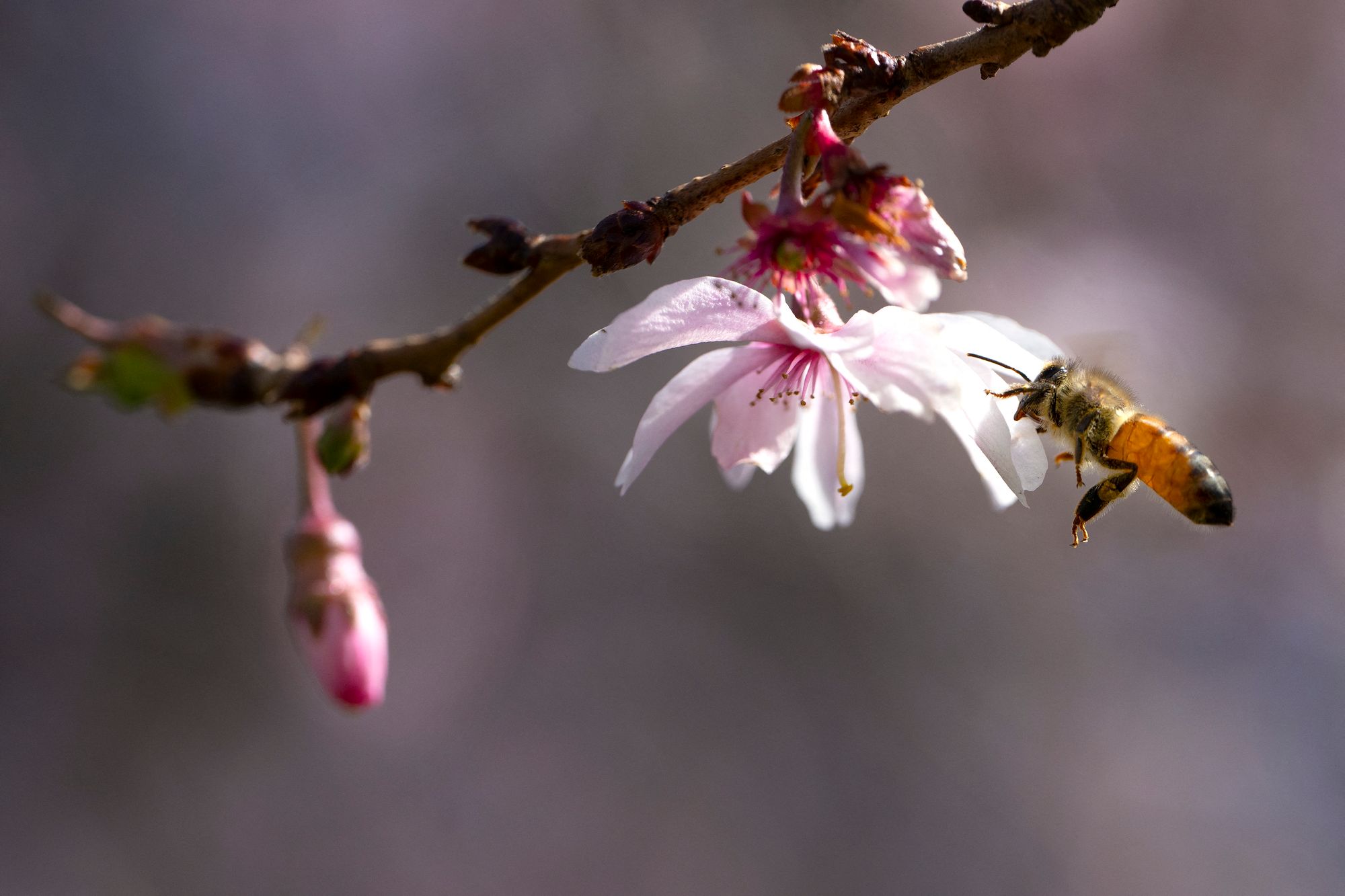
There is a rumor that honey can be effective in protecting people against allergies by exposing people to pollen. However, that’s largely been debunked.
The flowers bees pollinate don’t usually contain the airborne pollens that cause seasonal allergies.
“The only way this type of allergenic pollen would end up in honey is by chance, if it were blown into the hive or onto the flowers,” the American Academy of Allergy Asthma & Immunology said.
Still, the drugs can only provide temporary relief. So, is there a cure and what can people do if the drugs aren’t working for them?
Well, first make sure to try a different version of allergy medication. Some work better than others depending on the individual.
But, people can also get allergy shots from their doctors to help better respond to the allergens.
“Doctors can offer allergy shots if appropriate, and that basically takes a small amount of the thing you’re allergic to and puts it in a shot form to desensitize your body to the allergen,” Dr. Sharon Chinthrajah, an associate professor of medicine and of pediatrics at Stanford Medicine, said.
The shots can lead to either long-term or permanent relief of symptoms, Dr. Kathleen May, the division chief of allergy, immunology and pediatric rheumatology at the Medical College of Georgia, noted.
“We hesitate to use the word cure because it’s possible it will come back later in your life. But, I have treated children with allergy injections where their symptoms were gone and they were requiring no medication,” she said.
Some people can also outgrow their allergies, but allergies can also emerge at any time of your life.
“Just because you’ve never experienced allergies before does not mean you never will,” Johns Hopkins Medicine’s Dr. Murray Ramanathan Jr., a professor of otolaryngology, pointed out.
With our environment constantly changing, it’s hard to nail down how allergies develop in every person, Chinthrahjah said.
“What I try to tell my patients is to try to restore the things that you can, such as the skin barrier. Try to hydrate your skin. If you have eczema, that dryness is a skin breakdown where you’re letting outside in. It’s also important to try to sleep better, eat better, exercise better — getting outside and getting vitamin D is really important,” she concluded.

