
Want to bookmark your favourite articles and stories to read or reference later? Start your Independent Membership today.
Already a member?
Log in
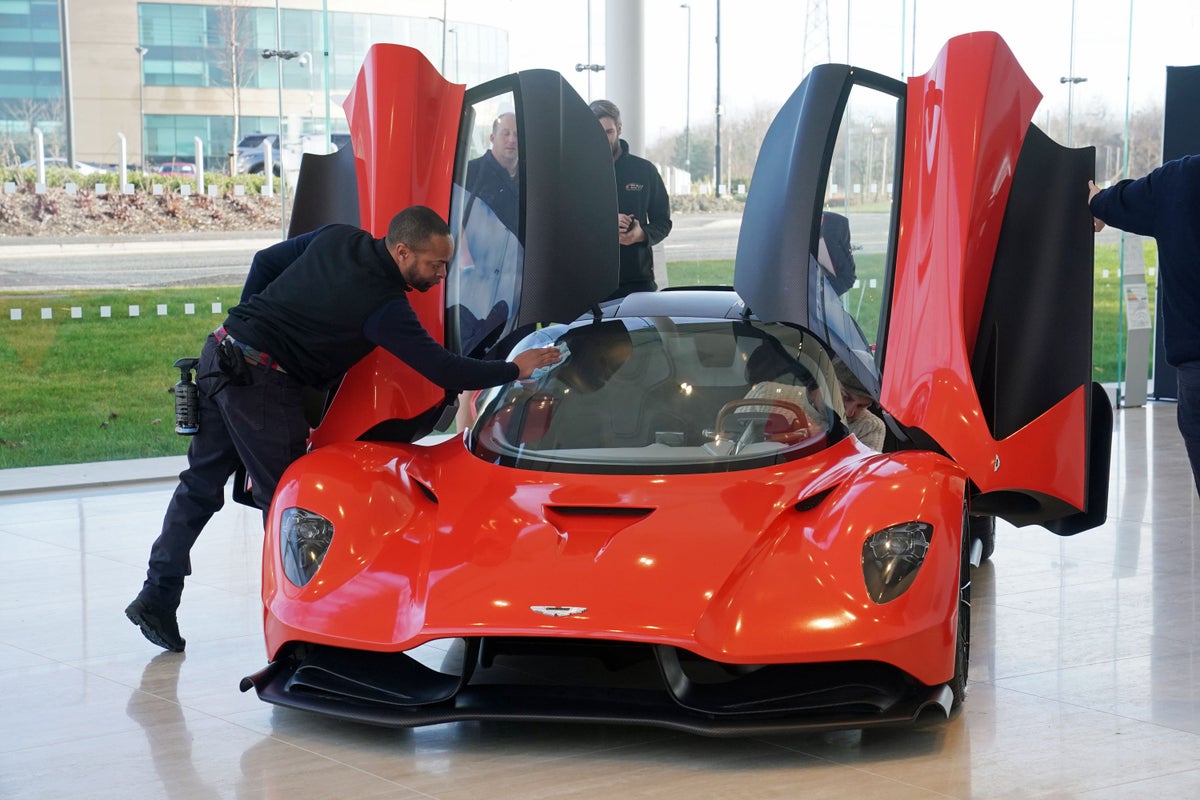
Luxury carmaker Aston Martin has hailed signs of its turnaround paying off as sales were boosted by orders of its supercar Valhalla.
The British brand said it had managed to improve its financial performance against a backdrop of challenges, including the Middle East conflict and US tariffs.
Revenues soared by 36% to £389 million for the third quarter, compared with the same period last year, the company reported.
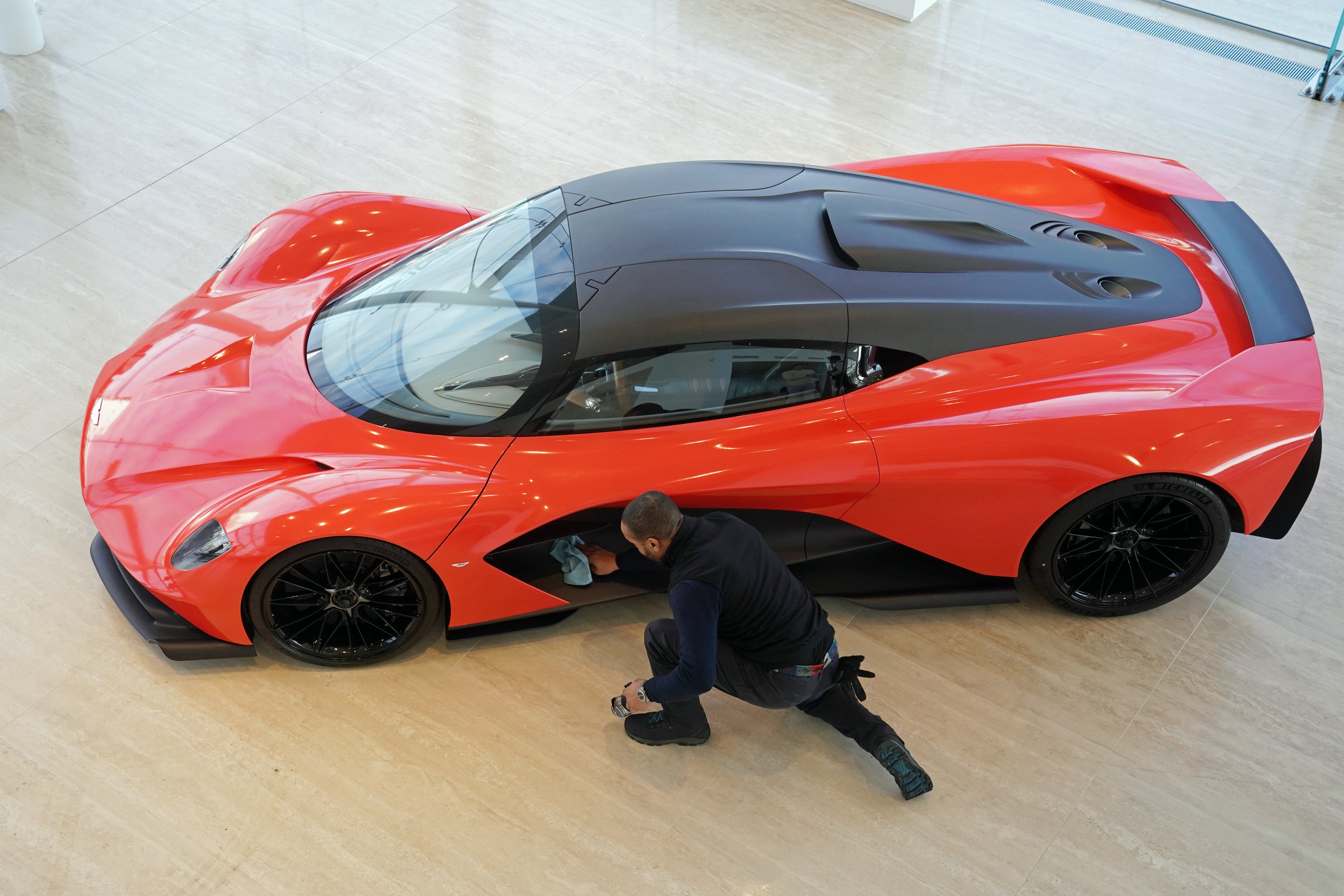
Sales through the year have been boosted by the Valhalla Coupe – the carmaker’s first plug-in hybrid mid-engine supercar, which has a starting price of about £850,000.
Aston Martin said it had made about 350 deliveries over the year to the end of September, and was on track for about 500 by the end of the year.
The supercar has helped drive up average selling prices by a quarter this year, the company said.
It also announced the launch of the Valhalla Spider model, with deliveries set to begin in the second half of 2027.
Aston Martin reported a smaller loss compared with last year, despite remaining firmly in the red.
Its pre-tax loss for the third quarter came in at £77 million, down from the £112 million loss reported last year.
The London-listed carmaker has been pushing forward with efforts to turn its performance around under Canadian billionaire Lawrence Stroll, who is its chairman and biggest shareholder.
In February, Aston announced up to nearly 600 jobs were being cut across the group after posting bigger annual losses.
But on Wednesday, it said its “transformation programme” was paying off as it expected to report a stronger financial performance for 2026.
Chief executive Adrian Hallmark said the results show “tangible and consistent progress towards the financial transformation” of the company, and that he expected the “momentum” to continue into the final quarter.
The company is nonetheless operating against a number of challenges facing the car industry.
“This dynamic landscape includes uncertainties over the economic impact from the unpredictable threat or introduction of additional US tariffs, changes to China’s ultra-luxury car taxes and the continued reliance on a stable network of global suppliers,” it said.
“The conflict in the Middle East has presented the latest macroeconomic and geopolitical uncertainty.”
But Aston said it had managed to “limit the direct impact” to the business during the year and that it would continue to be alert to how the conflict impacts global demand and supply chains.


