
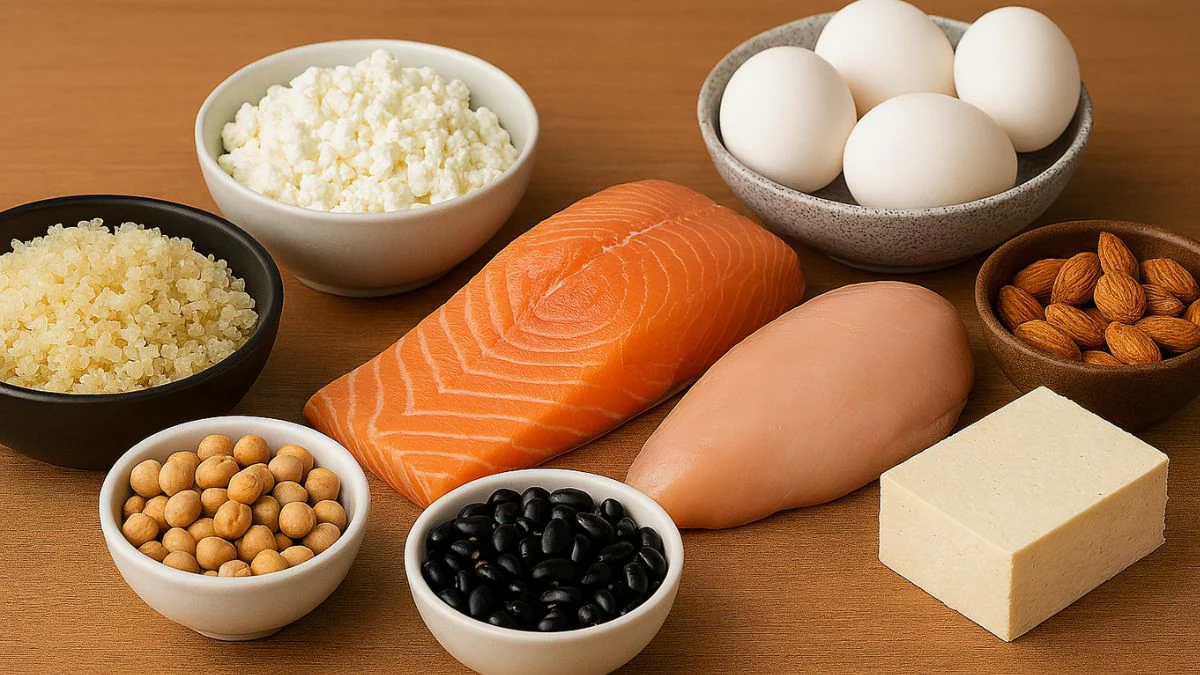
As life expectancy rises, the idea of ageing is being redefined over time. The goal has shifted-it is no longer just about living longer, but about living a fuller, more energetic and healthier life. Life after 40 has changed significantly. People today are more active, more aware, and far more conscious of their health than previous generations were at the same age. Individuals in their 40s and 50s are not winding down; instead, they are actively investing in how well they live. At the centre of that investment is a renewed relationship with food.
Nutrition plays a defining role in how healthily we age, and the 40s are precisely when that relationship needs to deepen. A balanced diet becomes non-negotiable-but beyond balance, what the body increasingly needs is a deliberate focus on protein. Without adequate protein, the body gradually loses muscle mass, which impacts strength, mobility and overall functioning.
Also Read: 6 Traditional Indian Drinks That Are Also A Good Source Of Protein
Earlier, protein was largely associated with athletes, bodybuilders or growing children. However, protein is a key nutrient required for maintaining muscle strength, mobility and overall vitality across all life stages. As awareness grows, protein is now translating into more intentional and meaningful eating habits, with a proactive intake approach-especially among healthy agers approaching their 40s and beyond.
Why Protein Becomes Critical After 40
In India, most traditional diets are largely cereal-centric, with the focus often being on satiety rather than functional nutrition. While such meals provide energy, they frequently lack adequate protein, leading to daily nutritional deficits. According to the Indian Council of Medical Research (ICMR-NIN, 2024), the recommended protein intake is 0.8-1.0 g per kilogram of body weight, with higher needs for older adults. However, studies indicate that over 70% of urban Indians fall short of these recommendations, with intake declining significantly with age.
This shortfall develops gradually and often manifests as reduced muscle mass, slower recovery, fatigue, weaker immunity, and declining everyday strength and independence. One of the most significant changes associated with ageing is the gradual loss of muscle mass and strength-a condition known as sarcopenia. As it accelerates with age, even simple activities like climbing stairs or carrying groceries can become challenging.
During ageing, the body also experiences anabolic resistance, where skeletal muscles become less efficient at using dietary protein to build and repair tissue. As a result, higher protein intake is required to counter muscle loss and maintain strength and vital bodily functions.
From Awareness to Action: Upgrading Everyday Eating
Healthy ageing is not about extreme diets or short-term fixes-it is about building consistent, sustainable habits that support the body over time. The good news is that meaningful change does not require a complete kitchen overhaul. Simple, familiar food swaps can have a big impact.
Replacing regular wheat flour with protein-rich or protein-fortified options, or adding paneer, soya or animal protein to meals, can gradually improve daily protein intake. Beyond these changes, rethinking the heaviest meals of the day-especially breakfast and dinner-is one of the most effective shifts. Replacing carbohydrate-heavy breakfasts with options like whole-grain oats, which naturally provide protein and soluble fibre, is a small change with a disproportionately large impact.
Such choices help stabilise energy levels, control glucose spikes, support muscle and heart health, and set a stronger nutritional tone for the rest of the day. Meals can also incorporate high-protein cereals, protein-enriched atta, and naturally protein-rich ingredients. Adding protein-rich powders such as moringa leaf powder is another effective solution that blends seamlessly into daily meals while boosting protein intake.
A balanced plate should include adequate high-quality protein, fibre, vitamins and healthy fats across meals-approximately 11% of calories from protein and about 30 g of fibre per day.
Rethinking Snacking Habits For Strength And Energy
People above 40 need to be more mindful of what they consume, and this applies beyond main meals. Snacking windows should also be used as opportunities to bridge protein and fibre gaps. As the body changes with age, foods that worked well in one’s 30s may no longer serve the same purpose.
Choosing foods curated for this life stage-such as whole grains, nuts, seeds and protein-rich options-is essential. As conversations around health and wellness intensify, there is a clear shift towards smarter, more balanced snacking options that offer both taste and nutritional value. Today, there is a growing range of better-for-you snacks designed specifically for India’s 40+ population.
Also Read: 7 High-Protein Desi Lunch Ideas To Beat The 3 pm Slump
As people move into their 40s and beyond, the conversation around wellness and nutrition must evolve. Protein needs to shift from being an occasional consideration to a daily habit-present on every plate, in every meal, at every life stage. Awareness around healthy ageing does not begin at 60; it starts at 40.

