

Want to bookmark your favourite articles and stories to read or reference later? Start your Independent Membership today.
Already a member?
Log in
Maxxing, the internet’s catch-all term for getting the most out of everything, has been named Dictionary.com’s word of the year for 2026.
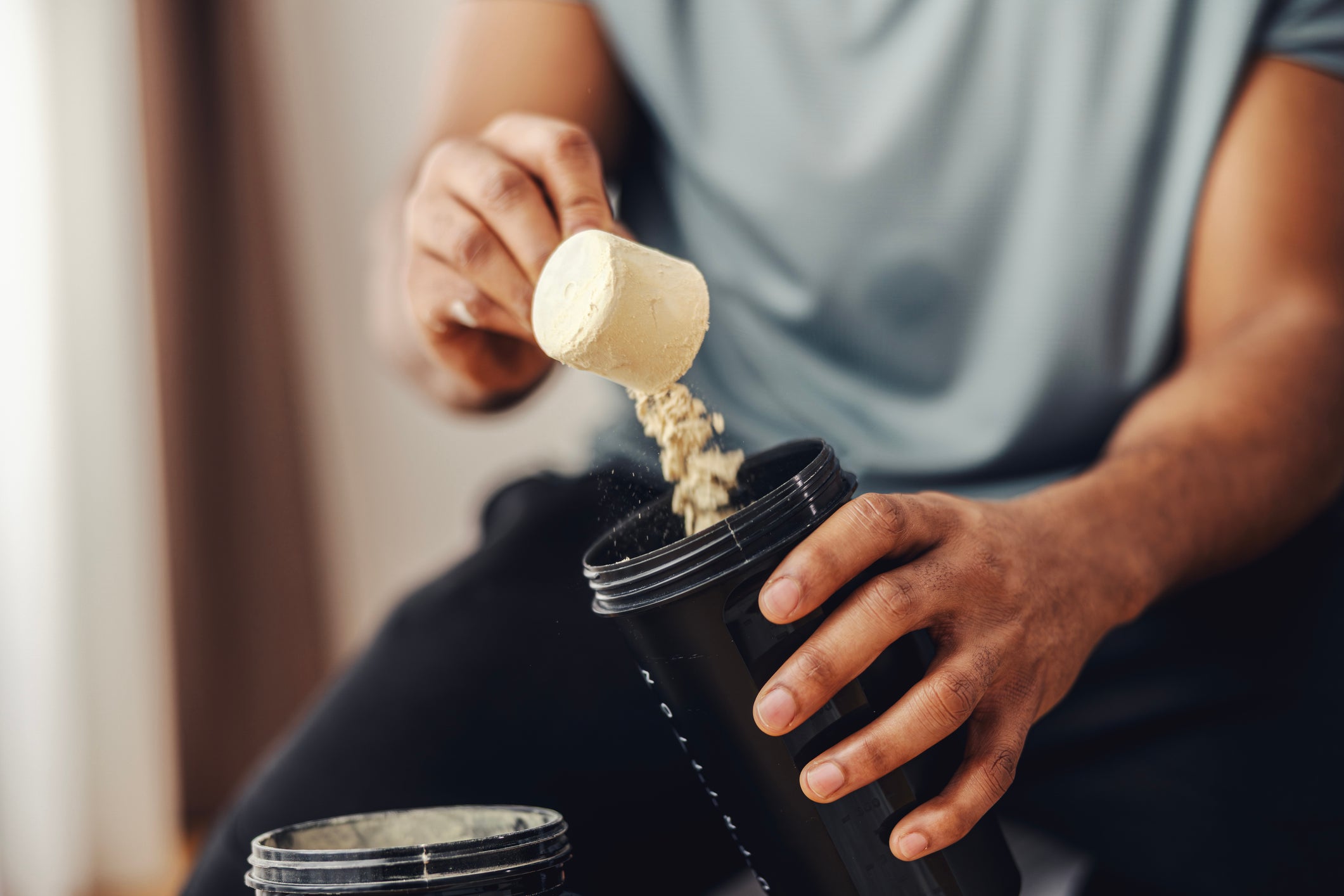
Short for “maximising”, the slang describes doing something to the fullest or optimising an aspect of life as much as possible. There’s “sleepmaxxing” to improve your rest, “proteinmaxxing” for getting more protein into your diet, and “looksmaxxing” for maximising your physical attractiveness.
Even a quiet night in can be optimised if you “cozymaxx”.
According to research by Dictionary.com, the word appeared in digital media nearly 19 times more in August 2026 than its average monthly usage in 2025.
Steve Johnson, director of lexicography for the Dictionary Media Group, said: “Maxxing stood out because it captures a contradiction in how we approach modern life: We’re constantly looking for ways to improve ourselves and get more out of everything, even as we recognise how exhausting or absurd that pursuit can become.”
The suffix has proved remarkably adaptable.
At work, “tokenmaxxing” describes using artificial intelligence tools as much as possible, while “fibermaxxing” involves trying to increase fibre intake. The underlying idea remains the same, whatever you are doing, there is probably a way to do more of it, and a new word to make it sound like a lifestyle choice.

“Pheromone maxxing” sees men skipping showers and deodorant in the belief that their natural body odour will make them more attractive to potential partners.
“Jestermaxxing”, meanwhile, turns clowning around to make women laugh into a supposed dating strategy.
However, “maxxing” has a less innocuous history than its cosier variations might suggest.
One of its most prominent forms, “looksmaxxing”, grew out of online incel communities and forums associated with the manosphere, where men discussed ways to improve their attractiveness.
While some approaches involve grooming, exercise, and skincare, others have taken a more extreme turn.
Influencer Braden Peters, better known as Clavicular, has documented his looksmaxxing efforts online, including the practice known as “bone smashing”, which involves hitting the face with a hammer in the misguided belief that doing so will produce a more defined facial structure.
The word’s modern internet usage also has roots in gaming.
“Min-maxing” has long been used in role-playing games to describe maximising a character’s strengths while minimising weaknesses.
The newer “maxxing” construction has since escaped that context, becoming a suffix that can be attached to almost anything.
Dictionary.com’s archived internet data traces examples of “looksmaxxing” to 2015, with terms such as “moneymaxxing” and “statusmaxxing” appearing by 2021.
“Maxxing” owes its popularity to being “infinitely customiseable but instantly recogniseable”, continuing lecturer in the UCLA department of linguistics Daria Bahtina told The Guardian. “You can attach the pattern to practically anything while still sounding like you are participating in a particular linguistic and cultural moment.”
Even the Pentagon adopted “lethalitymaxxing” to boast about the US military’s killing capabilities, using it on social media in February.
Not everyone using the term is genuinely committed to squeezing every last drop of productivity out of life.
Some variations poke fun at the very obsession that made the word popular.
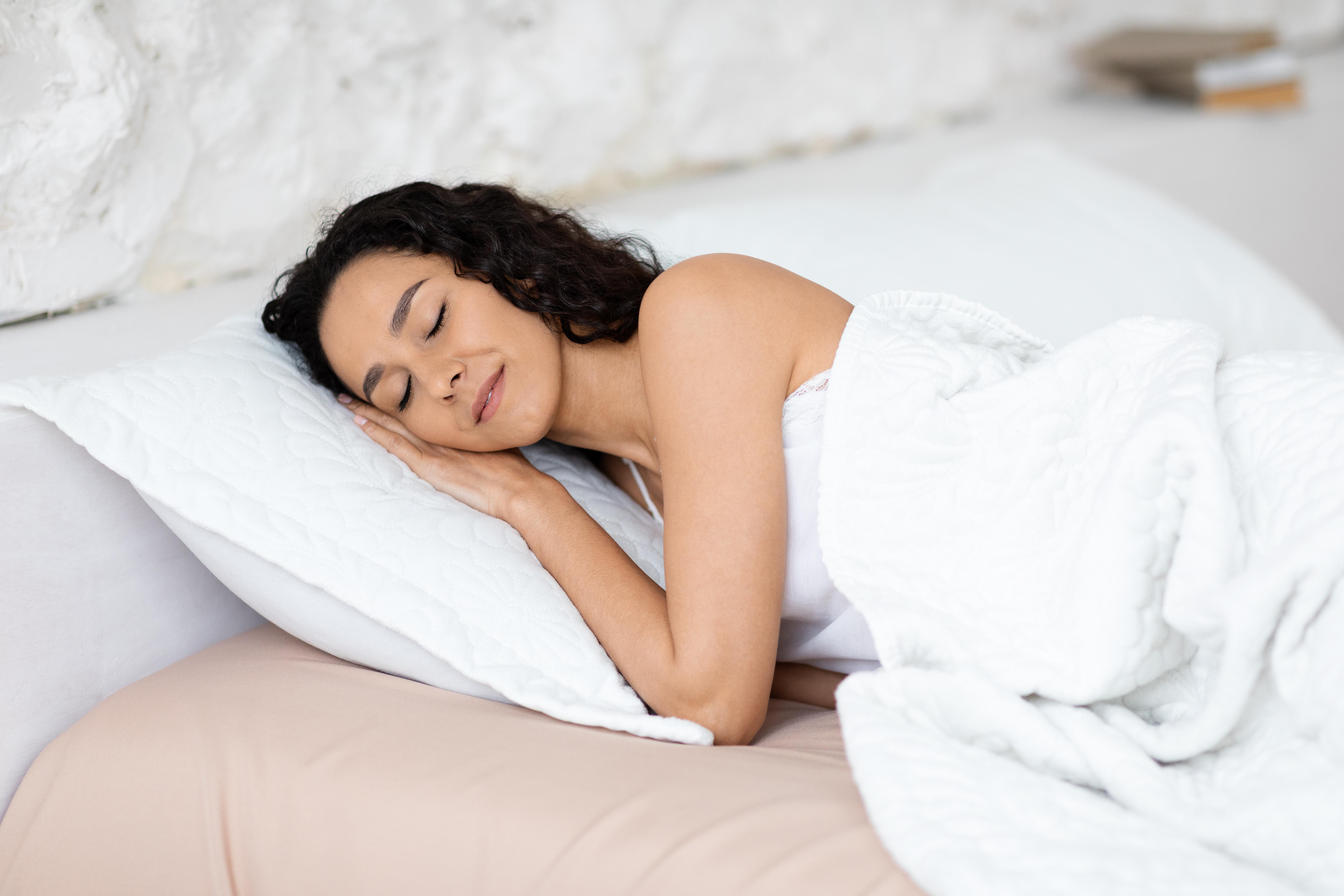
“Nothingmaxxing”, for instance, turns doing absolutely nothing into an activity that can supposedly be optimised.
There’s also “nonnamaxxing”, which involves taking inspiration from the slower rhythms of an Italian grandmother’s life, including cooking and nurturing social relationships.
“Maxxing” beat four other contenders, including “affordability”, which has dominated US political debate amid concerns over rising living costs; “data centre”, as the AI boom fuels disputes over energy and water use; “odyssey”, following renewed interest in Homer’s epic after Christopher Nolan’s film adaptation was released earlier this year; and “unc”, Gen Z and Gen Alpha slang for an “uncle” or an older person seen as out of touch.
Last year’s winner was “67”, the viral expression that spread through younger internet culture despite leaving plenty of people baffled about what it actually meant.

