
From garlic and Gondhoraj lime to cocktails inspired by sushi and kheer, Kolkata’s new bars are experimenting boldly. But the city’s evolving drinking culture has roots that go back much further than the latest cocktail menu.
If garlic and a martini had a baby, it would probably taste like Make It Garlicky.
I tried this cocktail at Rannaghor by Sienna in Kolkata, and it was one of those drinks that makes you pause mid-sip. Made with Patron Reposado, Triple Sec, black pepper and garlic, it arrived with a garlic garnish. The flavour was unmistakable, yet perfectly balanced. Any more garlic and it could have been overpowering. Any less, and the drink would have lost its character.
It was an unexpected start to a weekend that brought together some of the most inventive cocktails I have tried in a while. There was sandalwood and truffle in a vodka cocktail, curry leaves and Gondhoraj lime in a gin drink, and toasted rice, pandan and coconut in a cocktail that reminded me of kheer. At one bar, I ate a whisky-based sorbet with a spoon. At another, I tried tequila and pineapple topped with oxidised red wine.
I was in the city for the Kolkata Cocktail Weekend, organised by 30 Best Bars India from September 25 to 27. Over three days, 12 bars hosted special menus, bar takeovers, cocktail workshops, bar-culture walks and Sunday brunches.
A City With A Long Relationship With Bars
Photo: Author
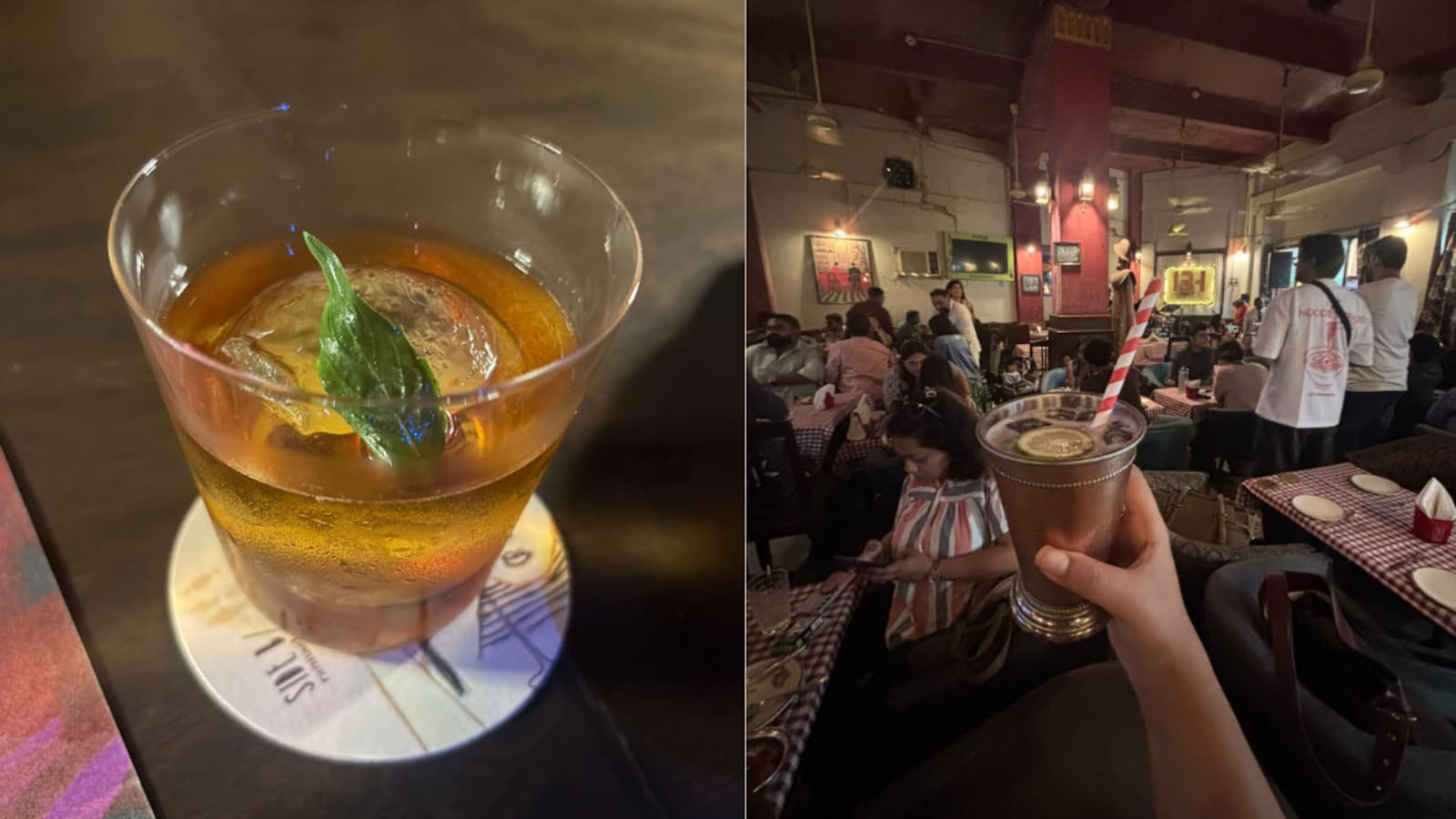
The second day began with Adda on the Rocks, a heritage walk led by Priyanko Sarkar. It took us through places that have served Kolkata’s drinkers for decades. New Cathay Restaurant and Bar has been operating since 1945. Its high ceilings, long hanging fans, vintage portraits and old-fashioned bar setup preserve much of its original character.
The most memorable thing I tried there was fish liver gin, and it contains neither gin nor fish liver. It’s fried fish served with Chinese-style potatoes, a house speciality that has become part of the establishment’s identity.
At Trincas, the story was as much about music as drinking. The Park Street institution opened as a tea room and bakery in 1927 before becoming known for its restaurant and live entertainment. Usha Uthup made her singing debut there in 1969, becoming part of a musical history that remains central to the venue’s identity.
I tried the chicken a la Kiev and a pina colada. After a run of adventurous cocktails, the classic was a welcome reminder that a drink doesn’t need an elaborate concept to stand out. It just needs to be made well.
The walk also introduced us to Shaw’s Bar, popularly known as Chhota Bristol. Dating back to the 1870s, it is known for cheap drinks and its adda culture. It is also a men-only establishment (yes, those still exist), a reminder that not every part of the city’s drinking history is equally welcoming.
These places offer a different idea of what a bar can be. The newer cocktail bars may be experimenting with techniques and ingredients, but they have arrived in a city where going out for a drink has long been part of everyday life.
When The Kitchen Meets The Bar
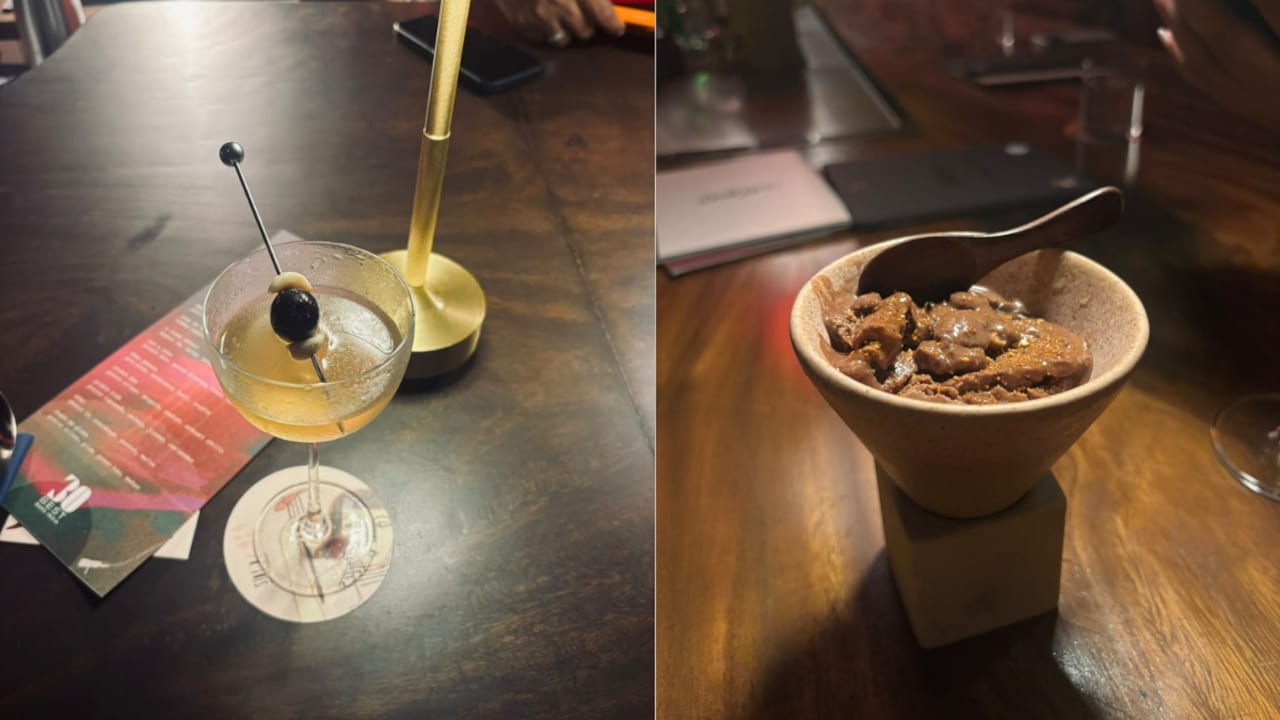
Photo: Author
At Rannaghor, Bhai Phonta brought together Grey Goose vodka, sandalwood, basil and truffle. Smells Like Curry combined Bombay Sapphire, curry leaves, Gondhoraj lime and coconut. Both were popular with the group, and for good reason. The ingredients sounded unusual on paper, but the drinks were thoughtfully put together.
That approach continued at Nutcase Etc., a compact cocktail bar with an ambitious menu. Its Sushi cocktail combined Bombay Sapphire, junmai sake, nori, gari and mirin, bringing the flavours associated with sushi into a glass.
Good luck went in another direction. Made with Grey Goose, toasted rice, pandan, cashew and coconut, it immediately reminded everyone of kheer but as a drink.
Then there was Hot and Cold, part of the weekend’s whisky experiments. Made with Johnnie Walker Black, chocolate, chilli and orange, it was served as a sorbet to be eaten with a spoon rather than sipped.
At Little Bit Sober, Middle of Nowhere was another standout: roasted bell pepper sorbet topped with Patron Reposado, five spices and cherry tomato ferment. Chasing the Sun combined Dewar’s 15 whisky with Himalayan churpi cheese, wild honey and truffle ferment, while A Hard Day’s Night paired Toki whisky with smoked sweet potato and coconut ferment.
What stood out across these menus was the willingness to treat cocktails as more than a mix of spirit, citrus and sweetness. Ingredients associated with cooking, desserts and savoury dishes were being used in ways that felt considered rather than gimmicky. The best drinks didn’t just sound interesting when someone read out the ingredients. They delivered on the promise.
Looking To The Future
Not every bar was drawing inspiration from local ingredients or familiar dishes. Synthe, a 32-seater cocktail bar in old Kolkata, built its menu around the idea of drinking through time. Its 11 cocktails are arranged along an imagined timeline from 2030 to 2130.
I tried Synthesis, marked as a drink from 2050. It combined tequila, pineapple and coconut with oxidised red wine floating above. The first sip brought out the savoury character of the wine, followed by the sweetness of the tropical ingredients.
Ancestral, from 2120, paired mezcal with wasabi, yuzu and honey. It came with a rice cracker and a wasabi-coated rim, making for a bold, smoky and citrussy combination.
There was no single formula for what a contemporary Kolkata bar should look like. Some menus explored local flavours, others borrowed from Asian cuisines, while some built their identity around a concept or a particular kind of experience.
The Reason To Stay For One More Drink
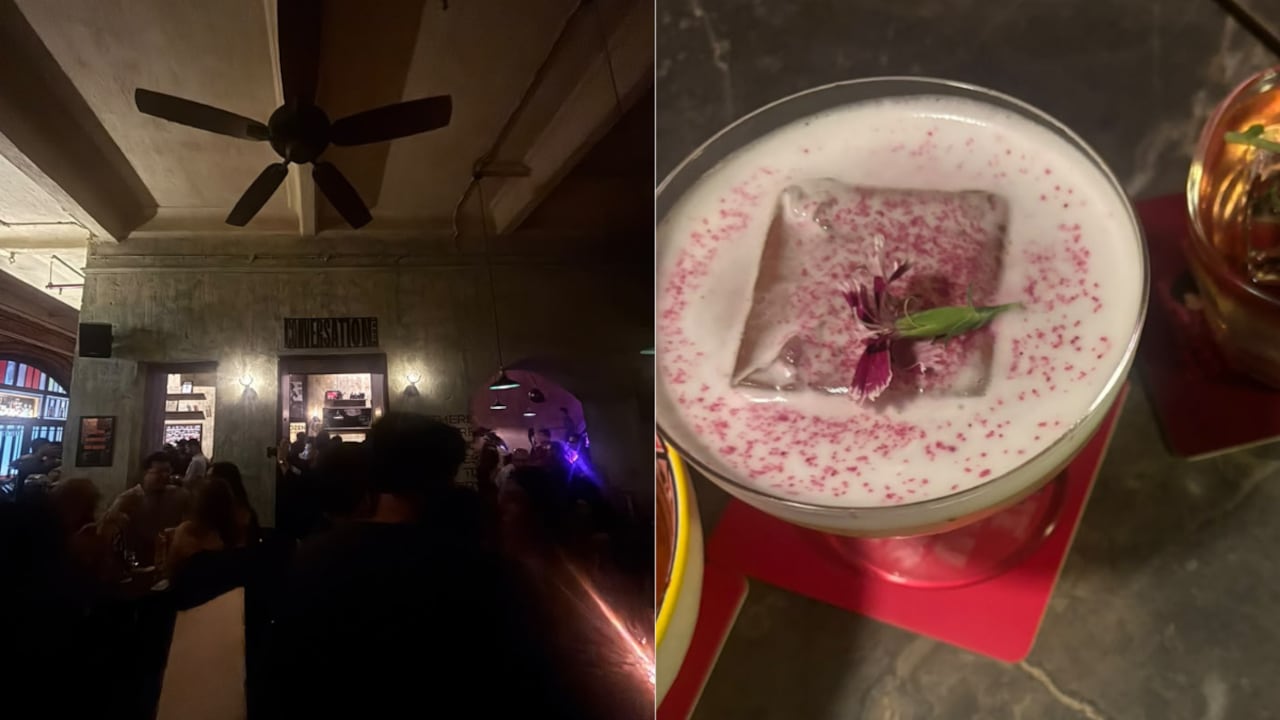
Photo: Author
The cocktails were only part of what made the weekend memorable.
At Conversation Room, where Mexican bartender Isra Baron was hosting a takeover, the atmosphere became the main attraction. By the time we arrived, bar owners, bartenders and people from the other takeovers had gathered there too. It felt like the place where everyone ended up after their own evenings were done.
Even when I didn’t want another drink, I wanted to stay.
At Little Bit Sober, a live band was performing when we visited. Hearing Coldplay’s Yellow sung live while sipping a cocktail made for a particularly good evening. At Broadway Hotel, which has been operating since 1937, the atmosphere was different again. The bar was full of people of different ages, some sharing pitchers of beer and others ordering cocktails. It felt like a neighbourhood favourite rather than somewhere people visited to chase the next big thing.
Raghav Sehgal, the CEO of Broadway Hotel, told me about the expression “Broadway jabi?” which is Bengali for “Shall we go to Broadway?” It means the familiar plan of meeting there for a drink, sometimes turning it into an occasion with friends. Young women dress up in their sarees to meet their friends here for a drinks, making a day out of simply visiting their favourite bar.
I liked that idea. A bar could be a place to try an inventive cocktail, but it could also be somewhere you went because it was part of your routine.
That warmth carried through several of the places I visited. At Nutcase Etc., tiny squeaking ducks sat at each place setting, and the team made the compact space feel immediately welcoming. At Rannaghor, the duck sausage with cornbread and gravy was a hit alongside the cocktails. The experience rarely felt limited to what was in the glass.
One bar might serve a classic pina colada, another might offer a cocktail inspired by sushi or a sorbet made with whisky. One might be where regulars gather over inexpensive drinks, while another becomes the last stop of the night for bartenders from across the city.
Make It Garlicky was the drink that first made me stop and think. But the weekend gave me plenty of reasons to return.


