
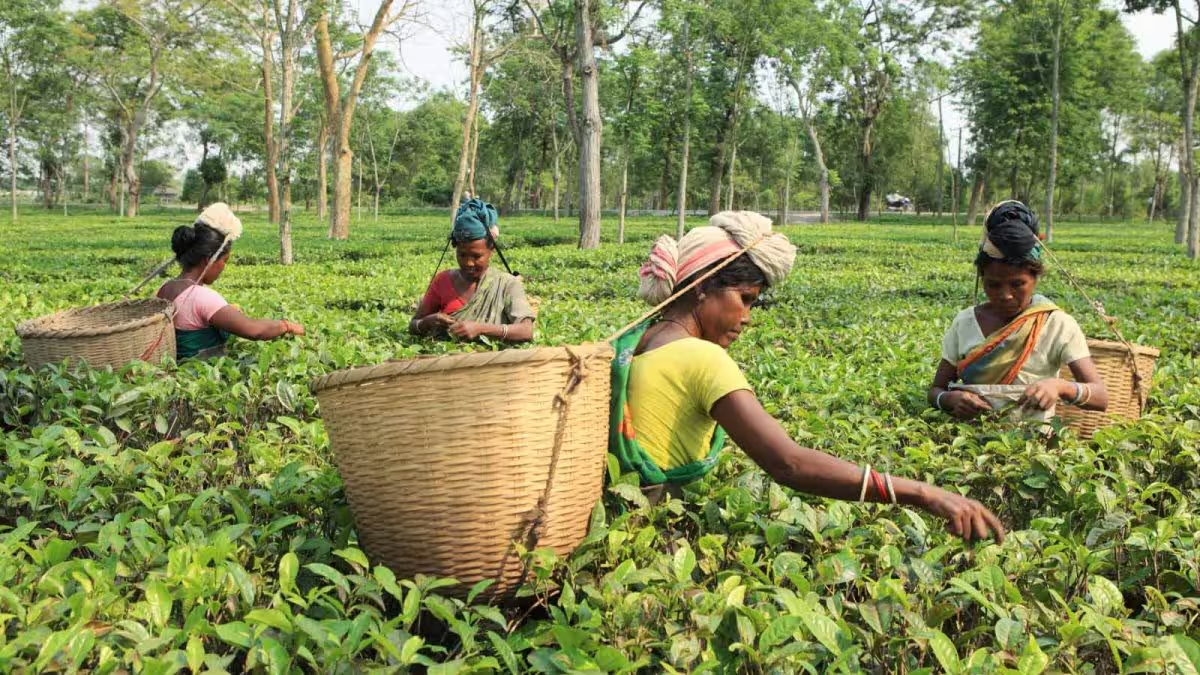
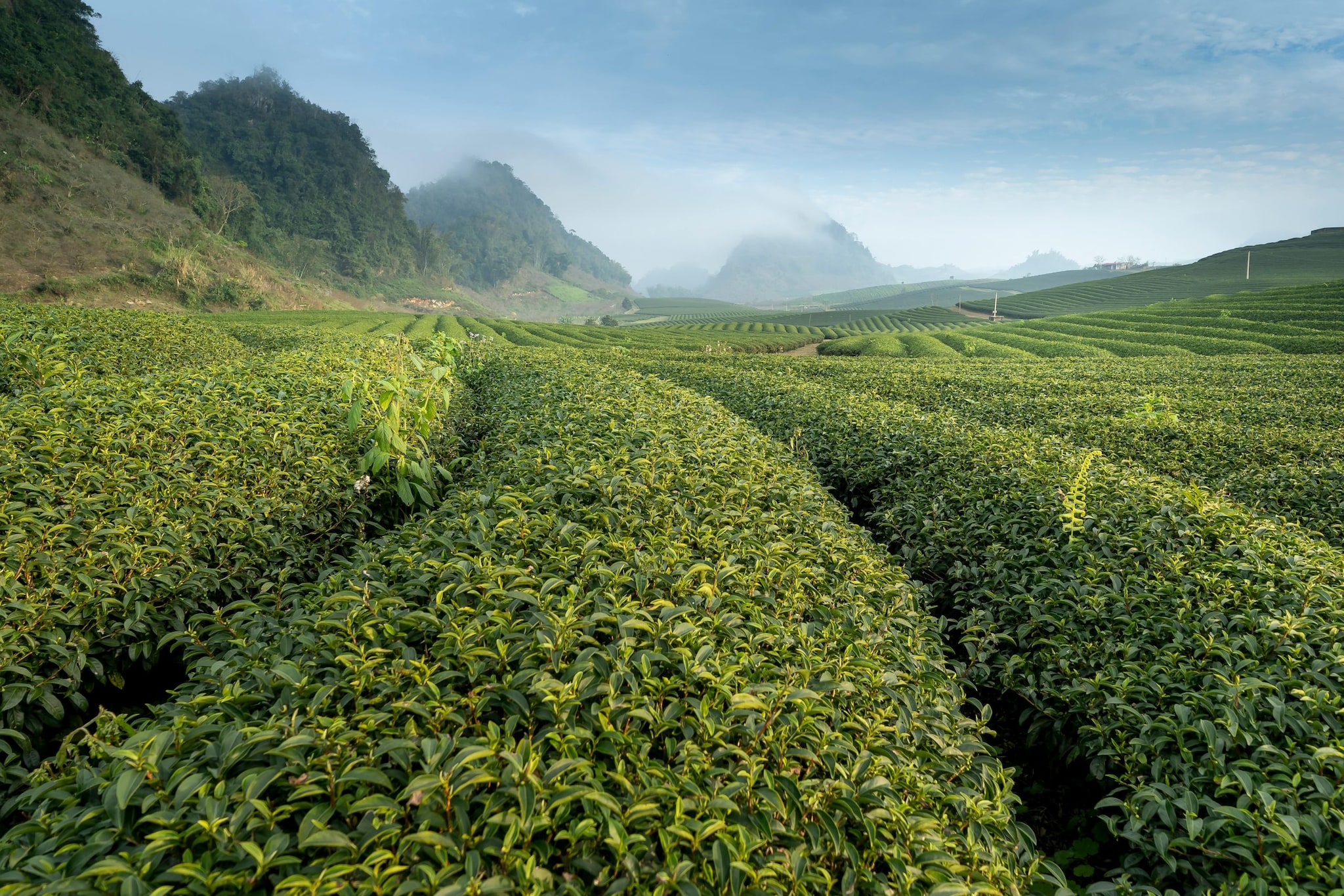
When one thinks of tea in India, the image that instantly comes to mind is of endless green plantations rolling gently under misty skies. That visual leads straight to Assam, the Indian state famously known as the Tea Garden of India. Producing more than half of the country’s tea, Assam is not just a geographic region on the map, it is the very heartbeat of India’s tea culture and a global name in the world of black tea. (Image: Pexels)

Assam’s association with tea dates back to the early 19th century when indigenous tea plants were discovered growing wild in the region. This find transformed Assam into one of the world’s most important tea-producing belts. Today, the state is home to over 800 tea estates, sprawling across the fertile valleys of the Brahmaputra and Barak rivers. (Image: Pexels)
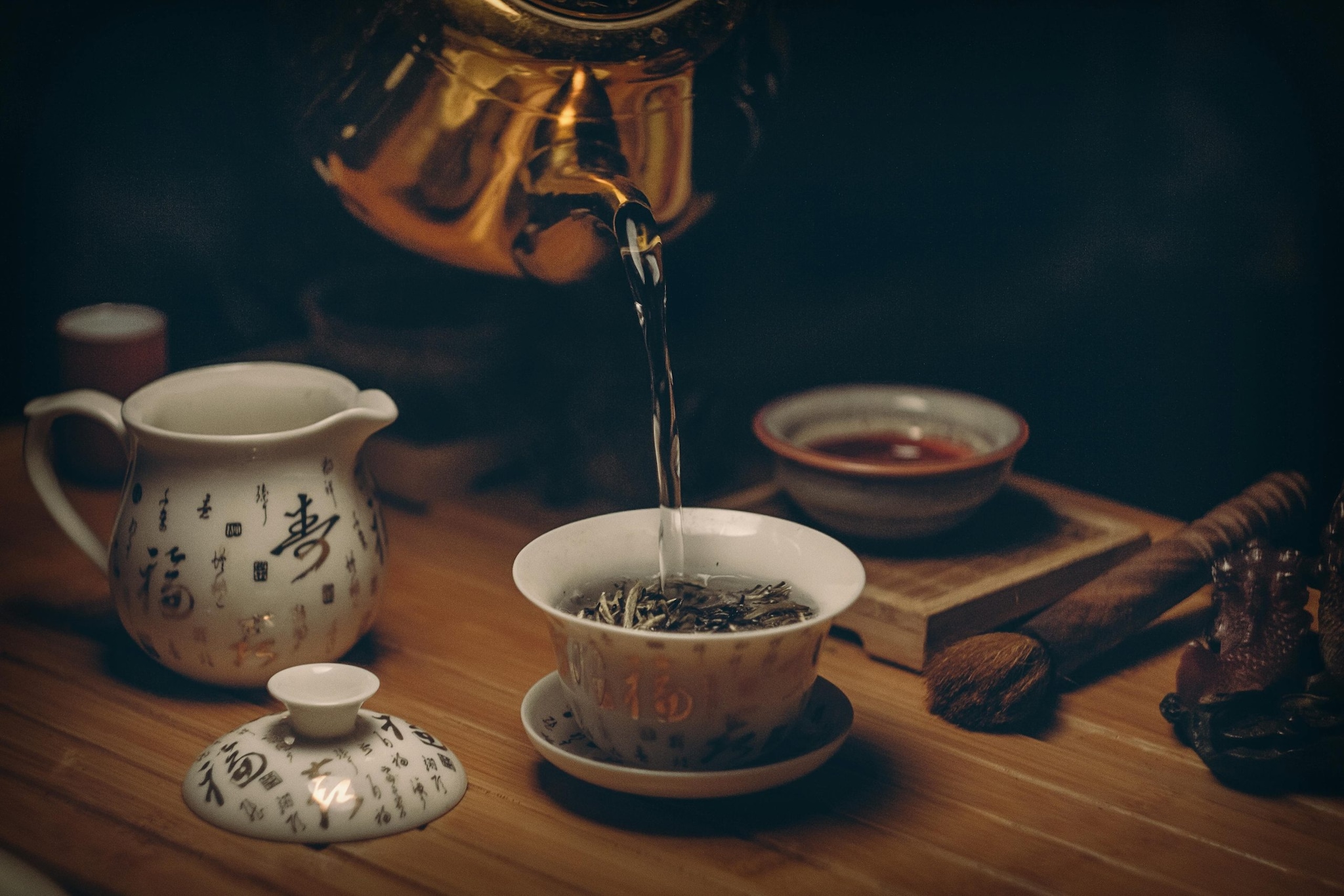
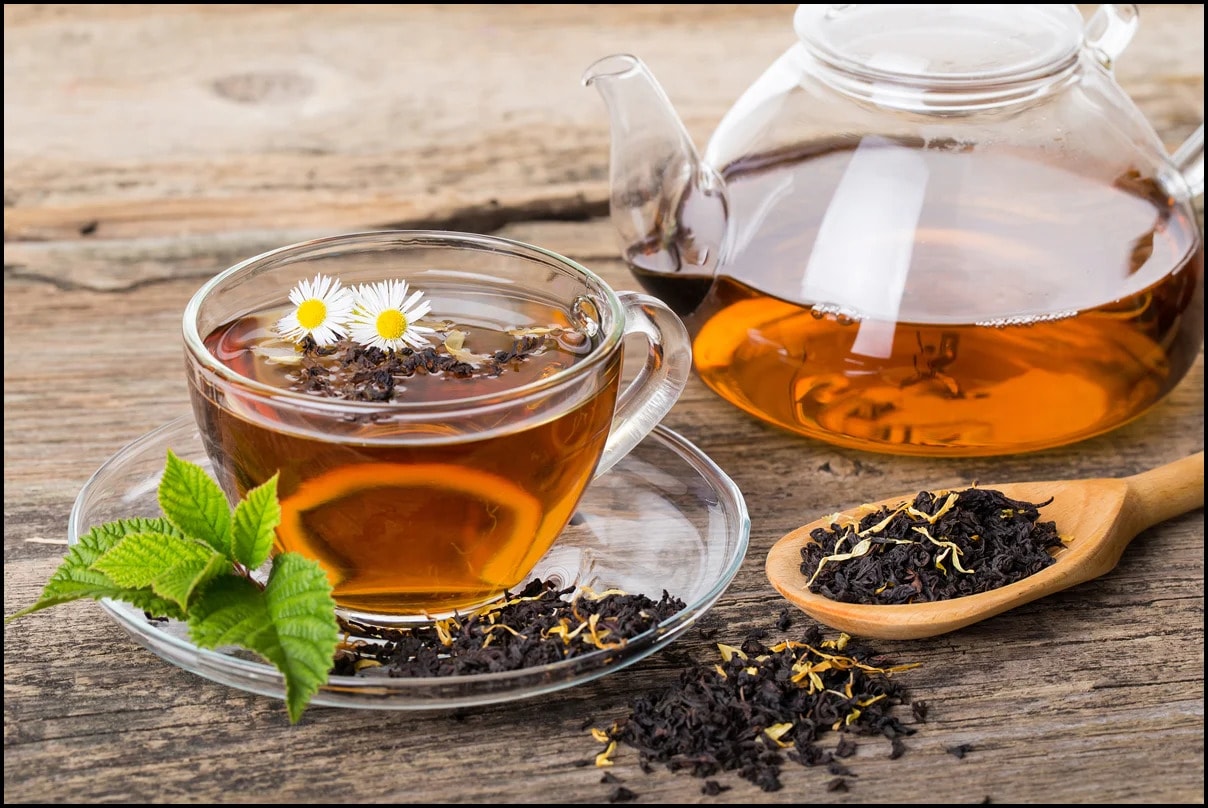
What makes Assam tea distinctive is its bold flavour, deep amber colour, and malty richness. The region’s unique climate – high rainfall, humid weather, and nutrient-rich alluvial soil – creates ideal conditions for tea cultivation. These factors give Assam tea its unmistakable strength, making it a favourite for breakfast blends across India and abroad. From everyday household brews to premium single-estate teas exported internationally, Assam’s output plays a crucial role in shaping both domestic consumption and global demand. (Image: Pexels)
In Assam, tea is more than an industry, it is a way of life. Entire towns and communities have grown around tea estates, many of which date back over a century. The tea garden workforce, with its own traditions, festivals, music, and cuisine, forms a vibrant cultural layer of the state. (Image: Pexels)
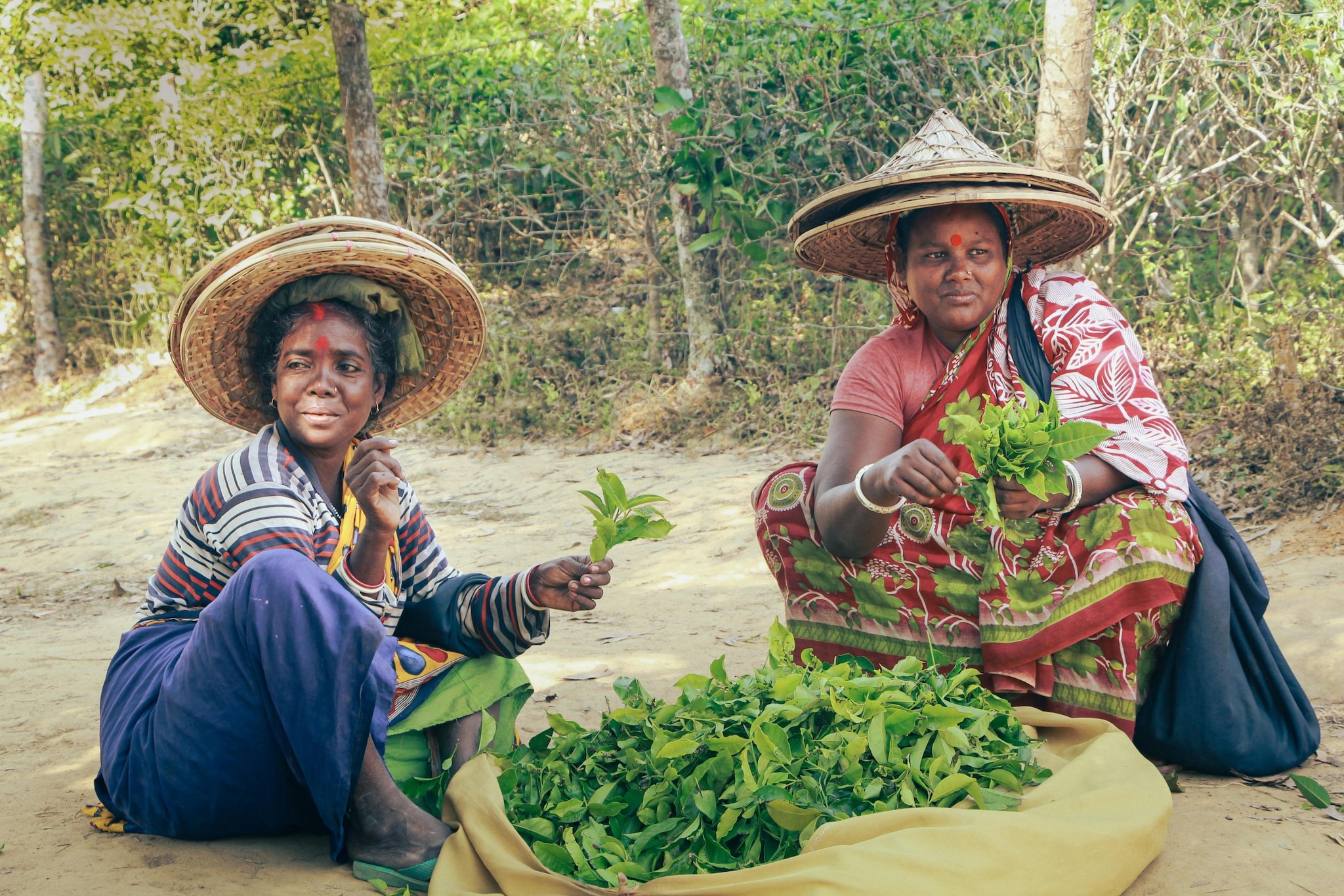
Life in the tea estates follows a rhythm shaped by the plucking seasons. Women tea pluckers, often seen skillfully selecting the finest two leaves and a bud, are an iconic sight in Assam. Their contribution is central to the tea-making process, preserving techniques passed down through generations. The tea estates themselves are like self-contained worlds, with colonial-era bungalows, factories, schools, and hospitals, offering a glimpse into Assam’s layered history. (Image: Pexels)
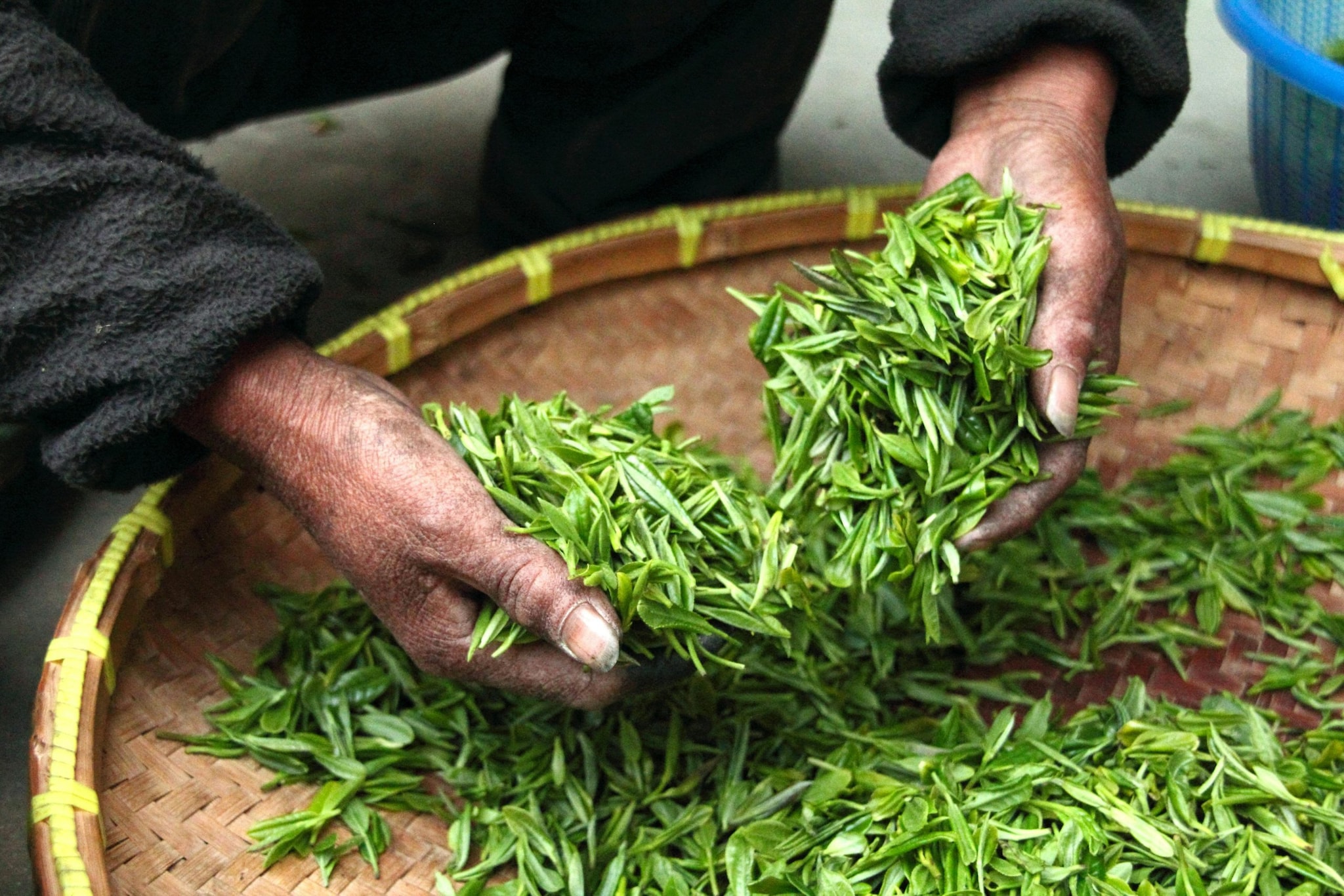
Assam’s tea landscape is spread across several well-known belts, each adding its own character to the brew. Together, these regions make Assam the undisputed leader of India’s tea industry. Upper Assam: Known for premium orthodox and CTC teas, with estates around Dibrugarh, Tinsukia, and Sivasagar. Lower Assam: Produces robust teas with strong liquor, supporting large-scale production. Barak Valley: Located in southern Assam, this region contributes a smaller but significant share of high-quality tea. (Image: Pexels)
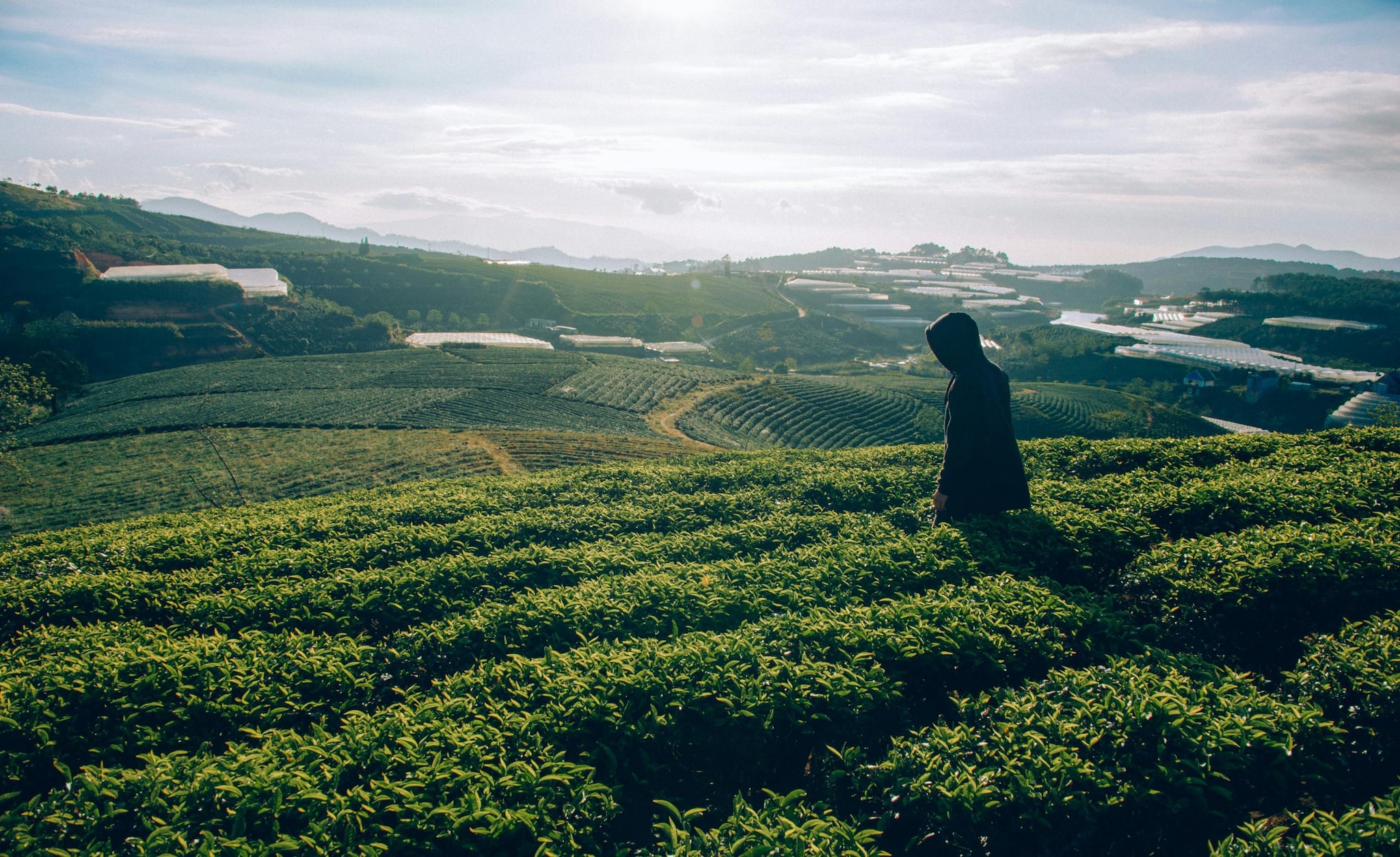
Assam tea enjoys Geographical Indication (GI) status, underscoring its uniqueness and authenticity. It is a staple in global blends like English Breakfast and Irish Breakfast teas. The strong, full-bodied nature of Assam tea has made it indispensable to tea drinkers who prefer a powerful cup, often enjoyed with milk. International auctions, especially those held in Guwahati, place Assam teas alongside the world’s finest, reinforcing the state’s reputation as a global tea powerhouse. (Image: Pexels)
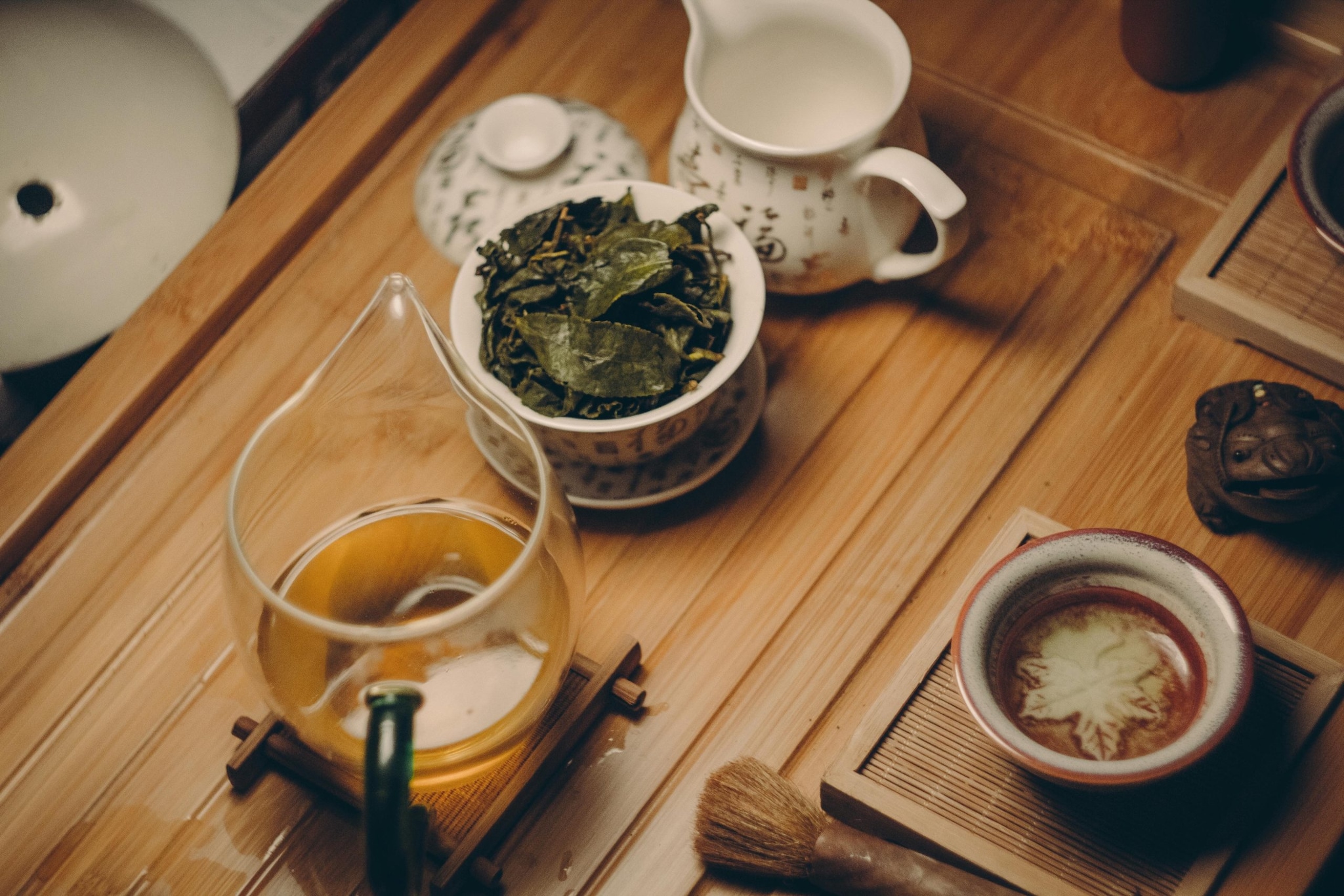
For travellers, Assam’s tea gardens offer more than scenic beauty; they promise immersive experiences steeped in history, nature, and slow living. A visit to the tea estates feels like stepping into a postcard, with emerald fields stretching as far as the eye can see. Many heritage tea bungalows have been converted into boutique stays, allowing visitors to wake up to misty plantation views and birdsong. Guests can take guided walks through tea gardens, interact with planters, and learn firsthand about tea processing. (Image: Pexels)
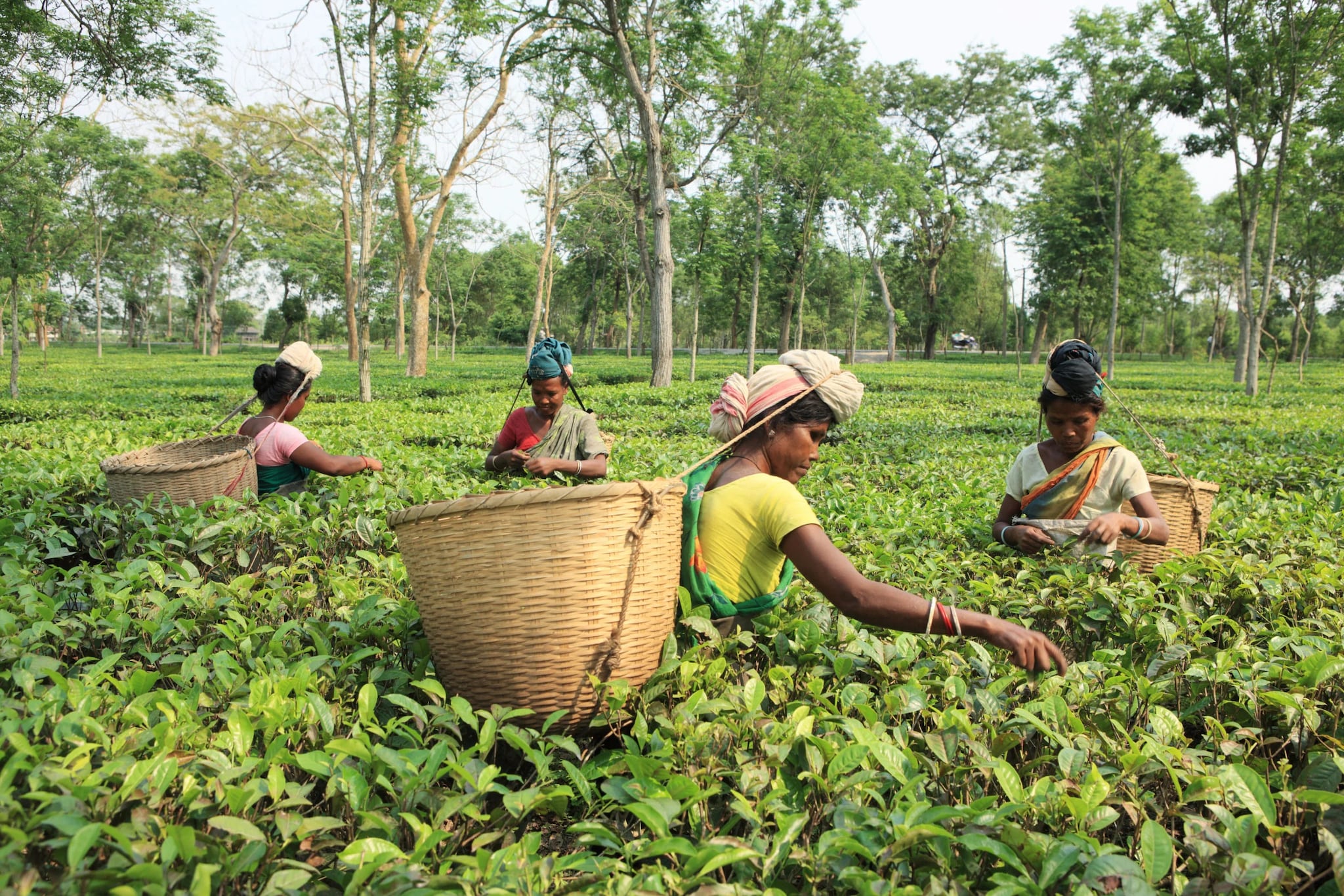
Destinations like Jorhat, often called the “Tea Capital of India,” serve as ideal gateways for tea tourism. Nearby, travellers can combine tea trails with river cruises on the Brahmaputra, wildlife safaris in Kaziranga National Park, or cultural explorations of Assam’s temples and villages. Tea festivals, plantation picnics, and tasting sessions add to the charm, making Assam a rewarding destination for those who enjoy experiential travel. (Image: Pexels)
Assam’s title as the Tea Garden of India is well-earned; not just because of its production figures, but because tea here shapes identity, economy, and everyday life. From energising morning cups to leisurely estate stays, Assam’s tea story blends heritage with hospitality. For anyone who loves tea, or simply seeks landscapes that calm the soul, Assam offers the rare pleasure of sipping a world-famous brew right where it is born. (Image: Pexels)

