
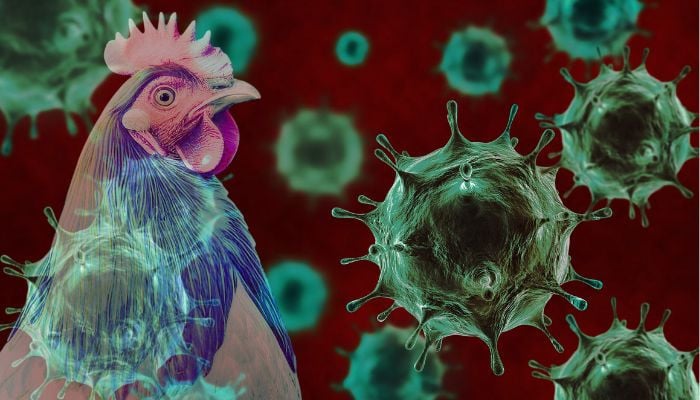
Avian Influenza is surging across the globe, with new outbreaks reported from Denmark to the United States and beyond.
Danish authorities confirmed the country’s first HPAI case of the 2026-27 season in a commercial turkey flock in Slagelse, housing around 40,000 birds, which was depopulated to curb the spread.
In the U.S., H5N1 has now been detected in nine Washington dairy herds, four in Texas and one in Kansas, while a Utah mink farm outbreak continues. Researchers also reported antibodies against avian influenza in 23% of sampled polar bears in East Greenland in 2025, the first evidence of exposure there.
Health officials emphasised the human risk remains low, but the virus’s spread into mammals has raised concerns.
To reduce risk, protect your pets and poultry. Keep cats indoors and leash dogs around wildlife. Flock owners should enhance their biosecurity, cover feed and water, and minimise interactions between domestic and wild birds.
Do not handle sick or dead wildlife. Refrain from touching and moving dead birds or marine mammals. Take notes about the date, time, and location of the sighting, photograph them when possible, and report it to your regional animal health authority hotline.
Stay clean. After leaving nature trails, nature reserves, and farms, decontaminate footwear and clothes to avoid transferring the virus between different locations.
Maintain proper hygiene practices. Wash hands thoroughly after bird handling, and do not consume uncooked bird products or unpasteurized milk.
Stay informed. Keep track of your state’s wildlife and agriculture authorities, as HPAI reports may differ for each state.
Even though human-to-human transmission of HPAI has not been established in the U.S., researchers stress the importance of surveillance in cattle, birds, and wildlife due to the lack of information about the disease. Report clusters of sick or dead birds as soon as possible.
Early detection will assist in containment of the virus outbreak and prevention of spreading among both wildlife and humans.


