
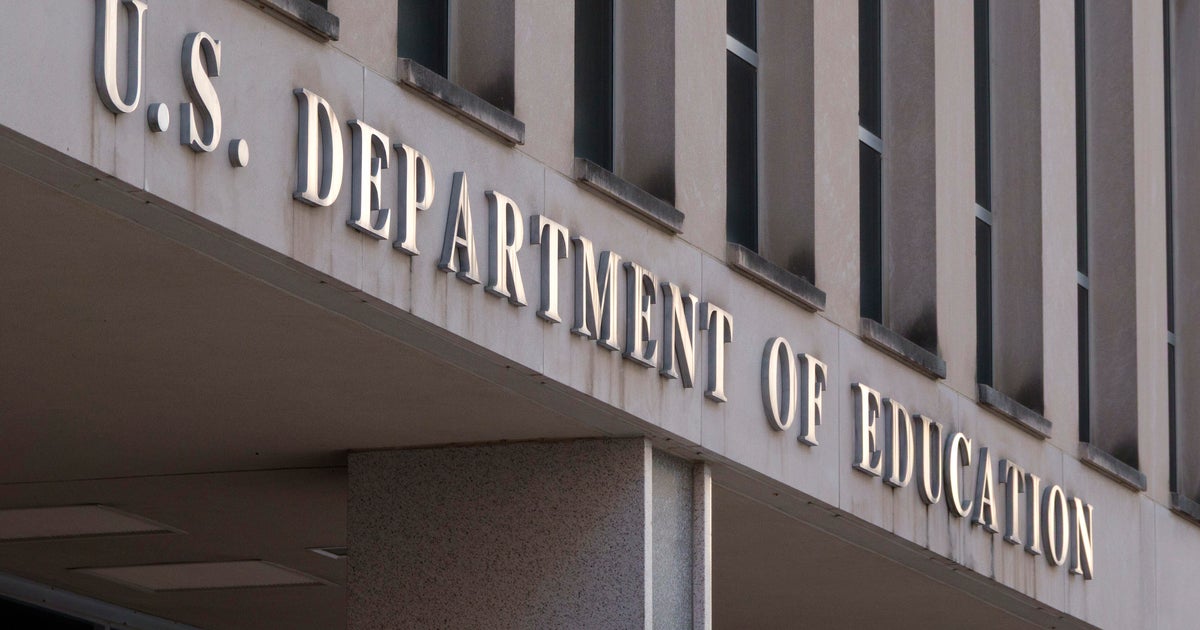
The Trump administration has halted its efforts to overhaul the Public Service Loan Forgiveness program, ending a plan that could have blocked some U.S. workers from tapping the popular lending program.
In a filing on Wednesday, the Trump administration said it was dropping its appeal of a June 30 federal court ruling that found the overhaul unlawful, without providing an explanation for its decision. Advocates for student borrowers hailed the step. Dan Zibel, chief counsel of the advocacy group Student Borrowers, called it a “significant victory for millions of Americans who have dedicated their careers to public service.”
The proposed rule changes to the federal Public Service Loan Forgiveness (PLSF) program, originally proposed in August 2025, would have prohibited people from participating if their employer engaged in certain illegal activities. The proposed revamp said that employees who work for organizations that support terrorism, violate immigration laws or are involved in what the rule described as the “chemical and surgical castration or mutilation of children” would be barred.
The Department of Education didn’t immediately respond to a request for comment.
Here’s what to know about the change.
What is the Public Service Loan Forgiveness program?
The PLSF is aimed at people who work for government agencies, public schools, fire and police departments, public hospitals, and nonprofits. The idea is to provide a pathway to student loan forgiveness for people who work in public service. The program cancels outstanding debt for eligible borrowers who make 120 monthly payments, or 10 years of participation.
Almost 720,000 federal student loans were discharged through the program between 2018 and mid-2025, according to the Education Data Initiative, which collects data about the U.S. education system.
What did the Trump administration want to change?
At the time the Trump administration announced the new rule, Department of Education Under Secretary of Education Nicholas Kent said the rationale for revamping the PLSF was “supporting public servants who strengthen their communities and serve the public good, not benefiting businesses engaged in illegal activity that harms Americans.”
The rule sought to disqualify applicants from the program if their employer engaged in “a substantial illegal purpose.” It included a list of activities such as violating immigration laws, terrorism, trafficking, violating state laws or “violence for the purpose of obstructing or influencing federal government policy.”
The rule was finalized in October 2025.
Who challenged the overhaul?
The rule was challenged in the courts by multiple nonprofits and municipalities, including Public Citizen Litigation Group and Student Defense on behalf of the Robert & Ethel Kennedy Human Rights Center, the American Immigration Council and cities including Albuquerque, New Mexico, Boston and Chicago.
The groups argued that the rule gave the Department of Education excessive latitude in deciding whether an organization was engaged in “a substantial illegal purpose.”
Just before it was set to take effect in July, U.S. District Judge Myong Joun in Massachusetts vacated the rule, saying it overstepped the Education Department’s authority and threatened to violate First Amendment protections for free speech. On the same day, District Judge Amir Ali in Washington issued a similar ruling in a case brought by nonprofit organizations.
Nonprofit leaders on Thursday said the administration’s decision to drop the appeal will provide relief to many public servants.
“With the appeal dismissed, the court’s order vacating the rule stands, and PLSF remains as Congress designed it,” Diane Yentel, CEO of the National Council of Nonprofits, said in a statement.
She added, “This outcome gives nonprofit employees the certainty that the loan relief they’ve earned through years of public service will be there for them, so they can keep doing the work that strengthens the communities they serve.”


