
Last Updated:
Heatwave Safety Precautions: Heatwaves are growing longer and more severe due to climate change. Follow these do’s & don’ts and IMD alerts to stay safe from heat-related illnesses.




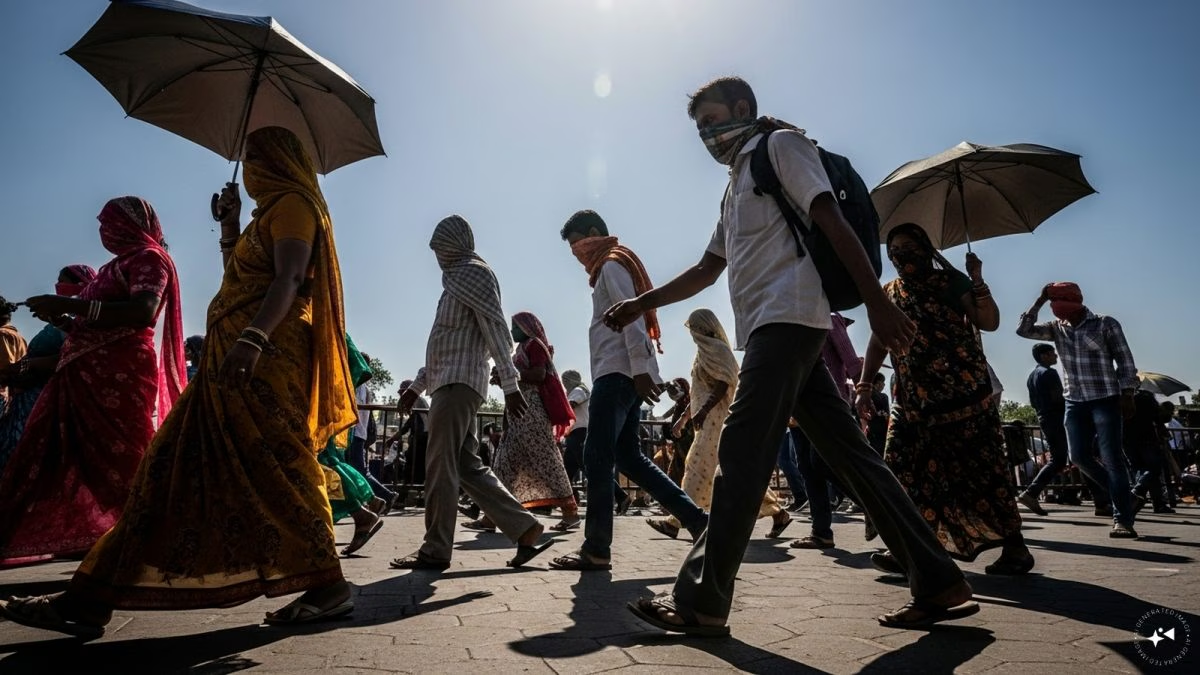
Extreme heat increases the risk of dehydration, heat exhaustion, and heatstroke. (AI generated image)
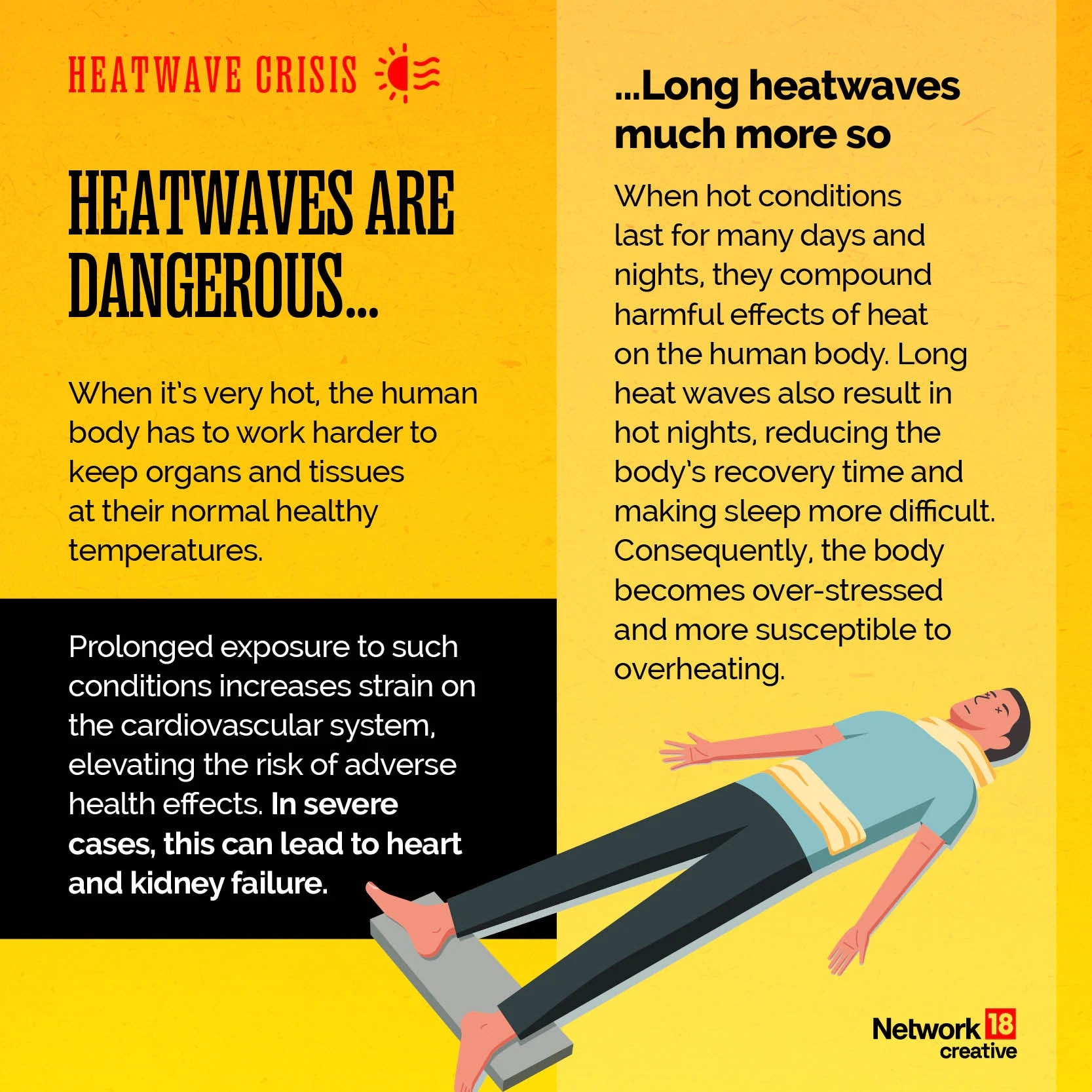
Heatwave Safety Precautions : India is expected to experience extremely high temperatures from March to May 2026, with the India Meteorological Department (IMD) issuing alerts for above-normal maximum temperatures across most regions. Extreme heat increases the risk of dehydration, heat exhaustion, and heatstroke, especially for children, elderly people, pregnant women, and those with pre-existing health conditions.
According to earlier guidance by India’s Ministry of Health and Family Welfare (MoHFW), the following precautions should be observed by everyone to reduce risks during heatwaves.
Heatwave Do’s: Steps To Stay Safe
Stay Indoors & Avoid Direct Sunlight
- Remain indoors or in shaded areas during peak heat hours.
- Use umbrellas, hats, or lightweight cloths if stepping outside.
Wear Light, Breathable Clothing
- Light-coloured, loose-fitting cotton garments are ideal.
- Avoid dark, synthetic, or tight clothing that traps heat.
ALSO READ: Heatwave Safety Tips: How To Protect Children And Families This Summer
Hydrate Frequently
- Drink water regularly, even before feeling thirsty.
- Include fruit juices, lemon water, or ORS if needed.
- Eat water-rich fruits like watermelon, cucumber, orange, and lemon.
Keep Indoor Spaces Cool
- Close curtains, use fans, air conditioners, or coolers.
- Ensure proper ventilation and keep indoor plants.
- Take frequent cool baths to maintain body temperature.
ALSO READ: Heat Wave Alert In Mumbai, Thane, Palghar With Temperatures Set To Touch 40°C
Help Anyone Showing Signs of Heat Stress
- Move the person to a cooler area immediately.
- Remove excess clothing, sponge with cold water, apply ice packs if available.
- Transport to the nearest healthcare facility if severe symptoms persist.
- Pay special attention to children, elderly, and pregnant women.
Heatwave Don’ts: What To Avoid
Avoid Peak Sun Hours
- Limit outdoor exposure between 12 noon and 3 pm.
ALSO READ: Coping with Heatwaves: Expert Advice on Staying Safe in Extreme Temperatures
Avoid Strenuous Physical Activity
- Heavy work or exercise during extreme heat can worsen dehydration.
- Outdoor workers should take frequent breaks and hydrate well.
Avoid Alcohol and Dehydrating Drinks
- Limit intake of alcohol, tea, coffee, and carbonated soft drinks.
Never Leave Children or Pets in Vehicles
- Cars heat up quickly, creating dangerous conditions.
Avoid Dark or Non-Breathable Clothing
- Synthetic or tight clothes absorb heat and restrict airflow.
Heatwave Risks for Pregnant Women
According to the United Nations International Children’s Emergency Fund (UNICEF), pregnant women are among the groups most vulnerable to extreme heat. High temperatures and dehydration can increase the risk of complications for both the mother and the unborn baby. These may include low birth weight, premature delivery, and in severe cases, stillbirth.
Extreme heat can also affect the mother’s health, potentially triggering early labour, gestational diabetes, and hypertension. Because of these risks, pregnant women are advised to take extra precautions during periods of intense summer heat.
Safety Tips for Pregnant Women
Do:
- Schedule medical appointments and daily tasks during cooler parts of the day to reduce heat exposure.
- Try to sleep in cooler areas, such as lower floors of buildings or well-ventilated rooms, whenever possible.
- Stay well hydrated and take regular rest breaks, especially during hot days.
Don’t:
- Avoid strenuous physical activity during extreme heat, particularly when temperatures exceed 40°C.
- Limit outdoor exposure during the hottest hours of the day and share workloads with others whenever possible.
Heatwaves are becoming longer and more intense due to climate change. Following Unicef and MoHFW recommended do’s and don’ts, along with staying updated on IMD alerts, can significantly reduce the risk of heat-related illnesses. Stay hydrated, stay indoors when possible, and seek medical help immediately if symptoms like dizziness, fainting, or extreme fatigue appear.
March 11, 2026, 16:07 IST

