
Global businesses are feeling the impact of the escalating conflict between the United States, Israel, and Iran, as rising energy prices and disrupted trade routes create uncertainty across markets.
Oil and Energy Prices Surge
The conflict has triggered a sharp rise in global oil and gas prices. Brent crude prices have climbed close to $90 per barrel, raising concerns among businesses and policymakers about inflation and higher operating costs.
Industry leaders warn that prolonged price increases could affect nearly every sector of the global economy.
Higher fuel costs are already pushing up prices for transportation, manufacturing, and consumer goods.
Trade Routes Under Pressure
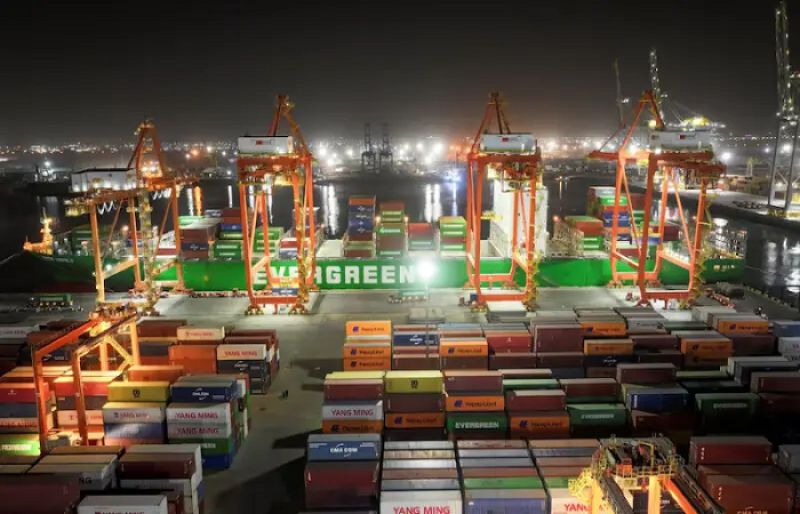
Shipping routes through the Strait of Hormuz, which handles about 20% of global oil supplies, have slowed significantly as tensions escalate.
Air travel routes across the Gulf have also been disrupted, creating delays for cargo shipments and international flights.
Industries Facing Supply Disruptions
Several industries are beginning to feel the effects:
Aluminium production has been disrupted as shipments through the Gulf face restrictions.
Helium supplies, crucial for semiconductor manufacturing, could also be affected.
Chemical and energy-intensive industries in Europe are already reducing production due to rising gas prices.
The Gulf region accounts for roughly 8% of global aluminium production, making any supply disruption a major concern for global manufacturing.
Businesses Prepare for Economic Impact
Major companies are now hedging energy costs and reviewing supply chains to manage the uncertainty.
Analysts warn that if oil prices reach $100 per barrel, global economic growth could slow significantly.
Some financial institutions estimate global growth could drop by 0.4 percentage points if the conflict persists.
Risk of Another Energy Crisis
Experts say the situation highlights how vulnerable global markets remain to geopolitical shocks.
Business leaders warn that energy volatility, supply chain disruption, and rising inflation could lead to a new global economic slowdown if the conflict continues for an extended period.

