

Want to bookmark your favourite articles and stories to read or reference later? Start your Independent Membership today.
Already a member?
Log in
This Movember, men are being encouraged to take an action that their older selves will thank them for: getting a health check.
On average, men in the UK die almost four years earlier than women from largely preventable diseases. This is partly due to some men hesitating to see a doctor until an issue becomes severe, even though early diagnosis frequently leads to a better outcome.
“There is a massive window of opportunity to head off serious long-term health conditions if you get in there and get checked,” says Dr Hugh Coyne, private GP and co-founder of Coyne Medical in London. “It makes such a difference to people’s lives when they do that.”
The GP specialises in primary prevention to identify early silent risk factors in killer diseases, and says the difficulty is that men don’t see the downsides that he sees. “Nobody ever comes and says, ‘Thank you for saving me from a heart attack I never had!’”
And he advises: “Look after yourself now and do something that your 80-year-old self is going to thank you for.”
Young men (18-40)
1. Mental health
Nearly one in eight men experience depression or anxiety, but less than half receive treatment.
“Men generally find it difficult to seek help – they can perceive it as a bit of a weakness,” explains Coyne. “Not helped by the pervasive online wellness trend of stoic philosophy, a side effect of which is men not wanting to burden anyone else with their problems.”
But asking for help is the first step in overcoming depression.

Symptoms: Men express mental health struggles differently from women – showing outward signs such as anger or escaping into their work. “Early signs are not wanting to see friends, or not being interested in activities they used to enjoy, lacking motivation or appetite or not sleeping. Overeating can also be a factor, as can substance misuse,” says Coyne.
And he warns, “Because men often mask how they’re feeling, when they present with low mood or feeling anxious, these are more severe symptoms.”
Health checks: Men should seek out their GP in the first instance. “Having a relationship with a primary care provider opens up lots of treatments – from medication to talking therapy and lifestyle advice. Sometimes, small tweaks can make a massive difference.”
2. Testicular cancer
Testicular cancer is more common in younger men. One of Coyne’s patients is a testicular cancer survivor, and he says, “My patient bravely asked his mates, ‘Do any of you ever not ejaculate?’ And they were like, ‘No, no, mate.’ That prompted him to check himself and he found a lump.
“Testicular cancer often has really good outcomes, but the earlier it’s caught, the treatment can be more targeted and less severe, which is why the self-checks are important.”

Symptoms: “Urinary symptoms and any kind of sexual dysfunctions such as problems with ejaculation or getting an erection, and obviously finding a lump. But by the time people get these secondary effects, the cancer is going to be a little bit more advanced.”
Health checks: “There isn’t a screening programme, so it’s very important for men to check themselves regularly,” says Coyne. “I ask my patients to check their testicles at least once a quarter, usually in the bath or the shower.”
Middle-aged men (40-50+)
3. Cardiovascular disease
“Men typically get an earlier onset of coronary disease than women,” explains Coyne. “Men are more predisposed to being apple-shaped – which is visceral fat, or fat around the organs. Visceral fat is linked with higher rates of both diabetes and cardiovascular disease, higher rates of certain cancers, and also fatty liver disease.”
Symptoms: “High blood pressure, diabetes and cardiovascular disease is asymptomatic until it gets very, very late,” he says. “Unfortunately, the first presentation of heart disease is often with a heart attack. That’s why young men need to engage with their long-term health.”
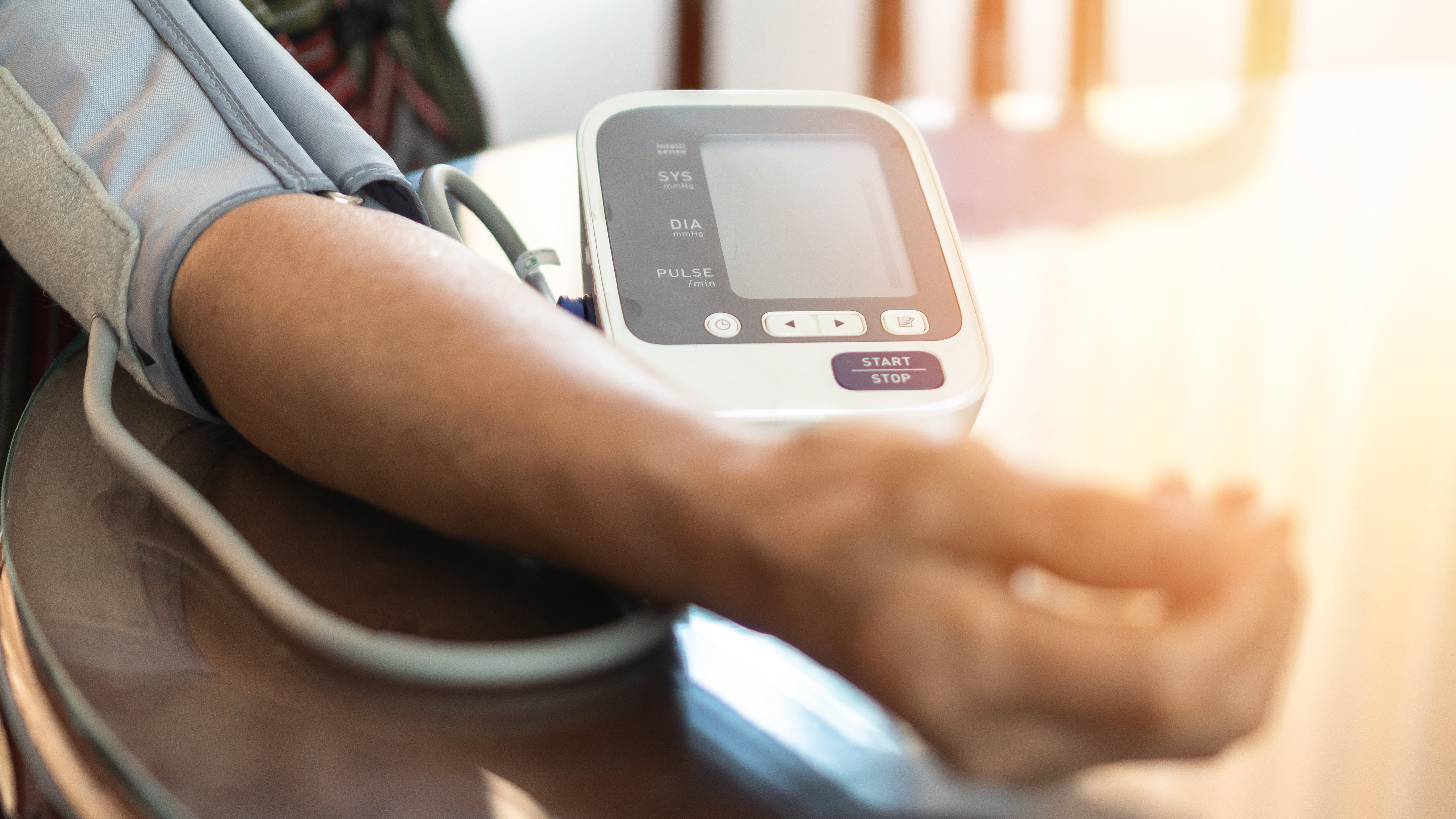
Health checks: The NHS offers free “midlife MOT” checks to adults aged 40 to 74 to check blood pressure, cholesterol, and BMI and waist circumference which all assess cardiovascular risk.
4. Bowel cancer
Most bowel cancers begin as small, non-cancerous growths on the inner lining of the bowel wall, called polyps. If diagnosed early, more than 90% of people survive for five years or more. If men delay until symptoms are severe, survival rates drop to 10%.
Coyne explains: “Very often the lead time for a polyp to become a cancer is about 10 years, so it can be picked up long before it becomes a problem.”
Symptoms: Any changes in bowel habits that last for three weeks or more must be reported to a GP. Also blood in stools, bloating or tummy pain, or a constant sensation of needing to go to the loo. Unexplained weight loss and extreme tiredness are also red flags.
Health checks: A home test kit called a Faecal Immunochemical Test (FIT) to screen bowel cancer is automatically sent every two years to everyone aged 54 to 74 (being lowered to 50 in England) to catch early signs of cancer before symptoms show.
“It really saves lives because the FIT test picks up blood in the stool,” says Coyne.
Older men (50-65+)
5. Prostate cancer
Prostate cancer is the most common cancer in men in the UK. Typically, it grows very slowly, and men can have it for years without realising, but some cases are very aggressive.
Coyne knows the risks only too well. “A friend and colleague of mine was recently diagnosed with prostate cancer which has metastasised. He put it down to aches and pains because he was getting a bit older, did sport and was working really hard. The key message here is not to ignore things.”
Symptoms: “Prostate cancer can be asymptomatic until quite a late stage but some early symptoms will be urinary problems – needing to pass urine more frequently, an urgency to go, getting up during the night to go, having a poor stream, passing blood in the urine, and blood in the semen as well.”
He adds, “Some of these symptoms can also occur with benign enlargement of the prostate.”
Health checks: “The main test for prostate cancer is a digital rectal exam,” says Coyne. “But PSA test screening is also available. However, it does create a lot of false positives, which is why it’s not nationwide. There is targeted screening for men over 45 who carry the BRCA2 mutation, however, only a very small proportion of BRCA carriers have been identified, which means many high-risk men miss early detection.
“Men over 50 can also request it, and Black or Afro Caribbean men over 45 can ask for it.”
6. Abdominal aortic aneurysms
“Aortic aneurysms are a dangerous bulge or swelling in the lower part of the aorta, which is the main blood vessel that carries blood from the heart to the rest of the body – and are far more common in men than women,” explains Coyne.
Symptoms: “This is also a silent condition because an aortic aneurysm usually has no symptoms at all. But if an aortic aneurysm bursts, it causes massive – often fatal – internal bleeding.”
Health checks: “The NHS offers a screening programme for all men from age 65. It’s a very easy, quick non-invasive ultrasound scan of the abdomen. They measure the size of the aorta and take it from there.”


