
Last Updated:
Wondering when to get a hearing test done? An ENT specialist explains the early signs of hearing loss, who should get regular screening, and when to seek urgent medical attention.




A simple hearing test can make a lifelong difference because hearing well means staying connected to the world around you.
Hearing loss is often associated with ageing, but in reality, it can affect people at any stage of life, from newborn babies to teenagers, working adults, and senior citizens. One of the biggest challenges is that hearing loss is usually gradual and silent, which means it often goes unnoticed until it begins to interfere with daily life.
According to Dr Dilpreet Bajwa, Senior Consultant, ENT, Artemis Hospitals, early detection is crucial. “Hearing loss does not only occur in old age. It can develop slowly over time, and many people adapt to the changes without realising their hearing is declining,” she explains.
Subtle Signs You Shouldn’t Ignore
The early warning signs can be easy to miss. You may find yourself asking people to repeat themselves frequently, struggling to follow conversations in noisy environments, increasing the television volume, or experiencing persistent ringing in the ears (tinnitus). Because these symptoms develop gradually, individuals often adjust their behaviour rather than seek medical advice.
If these signs sound familiar, it may be time to schedule a hearing evaluation.
Who Should Get Regular Hearing Screening?
Dr Bajwa recommends regular hearing checks for:
Adults over the age of 60, who are at higher risk for age-related hearing loss
Individuals with diabetes, high blood pressure, thyroid disorders, or a history of recurrent ear infections
People exposed to loud noise at work, such as those in factories, construction sites, airports, or music venues
Individuals who frequently use headphones at high volumes
Even if hearing feels “normal,” periodic screening can detect early changes and guide timely intervention. A simple, painless hearing test can identify problems before they worsen.
Hearing Tests in Children: Why Early Screening Matters
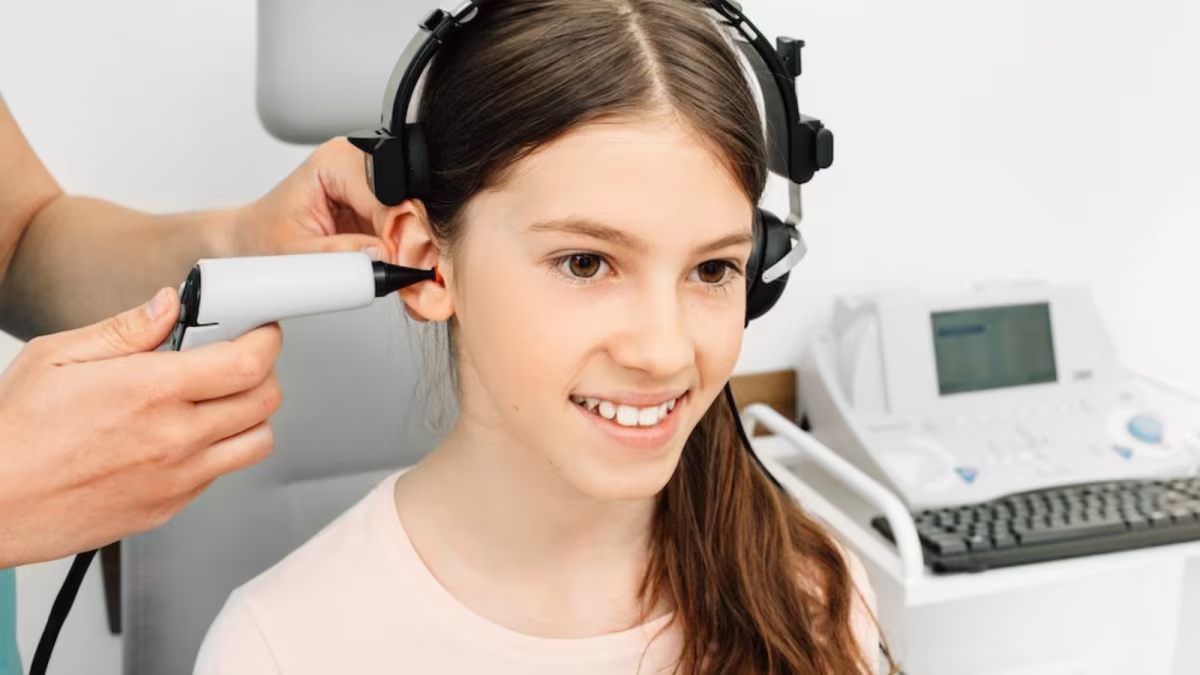
Hearing assessment is especially critical in newborns and young children. Hearing plays a foundational role in speech, language development, and learning. If hearing loss is not identified early, it can significantly delay a child’s communication and cognitive development.
Parents should watch for signs such as:
Lack of response to loud sounds
Delayed speech milestones
Unclear or limited speech
Difficulty following instructions
Universal newborn hearing screening and early evaluation ensure healthy brain development and better long-term outcomes.
When to Seek Urgent Medical Attention
Certain symptoms require immediate medical care. Sudden hearing loss, severe ear pain, dizziness, or discharge from the ear should never be ignored. Prompt treatment can prevent permanent damage and improve recovery outcomes.
Why Early Detection Makes a Difference
“Early detection makes treatment more effective and helps prevent further deterioration,” says Dr Bajwa. Whether through medication, hearing aids, medical procedures, or simple lifestyle changes, timely intervention can significantly improve quality of life.
Good hearing is not just about sound. It is essential for communication, safety, learning, and emotional well-being at every age.
A simple hearing test can make a lifelong difference because hearing well means staying connected to the world around you.
March 03, 2026, 14:42 IST

