
Last Updated:
Paraxanthine may represent the next wave of “clean energy” drinks with smoother stimulation, fewer jitters, and potentially better focus.




Kim Kardashian’s New Energy Drink Is Ditching Caffeine But What Is Paraxanthine?
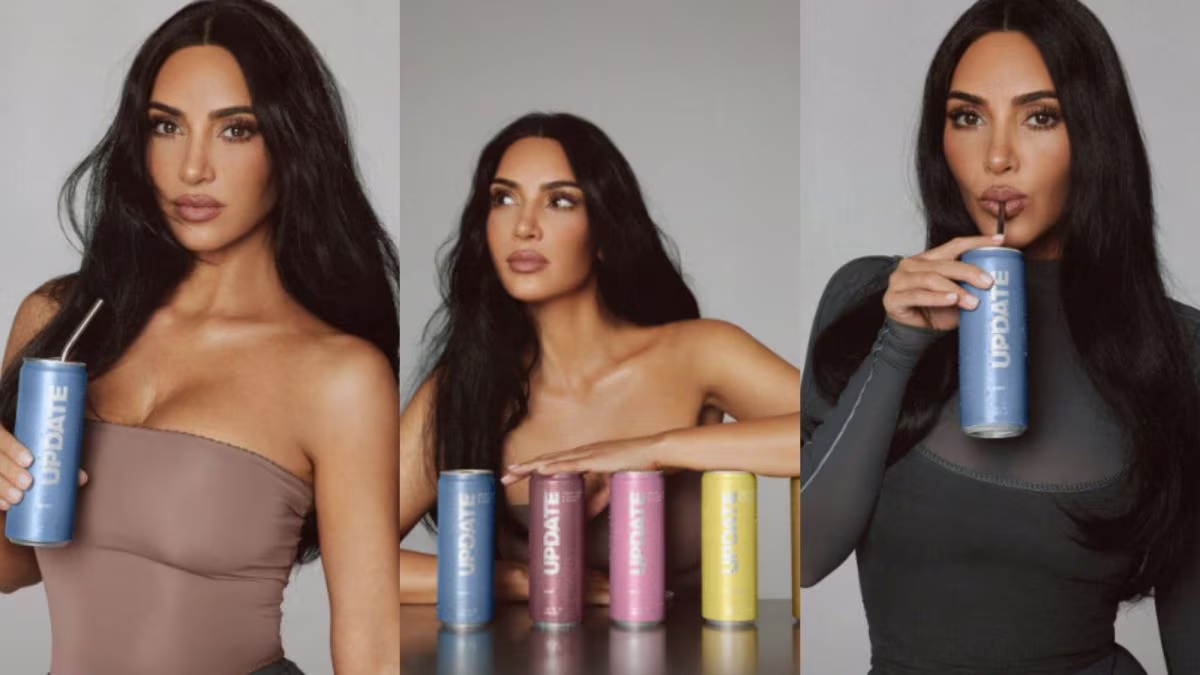
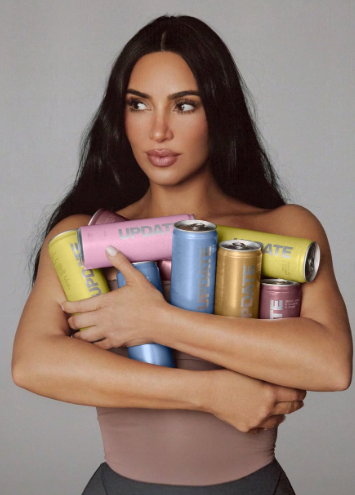
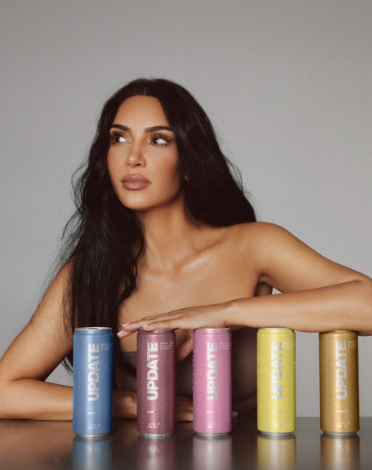
When a wellness trend has the backing of Kim Kardashian, it’s almost guaranteed to trend. The 45-year-old entrepreneur has relaunched energy drink Update as a co-founder and this time, she’s swapping caffeine for something far less known to energy drink-lovers: paraxanthine.
The drink promises zero calories, no sugar, and no artificial flavours. But it’s the inclusion of paraxanthine that has sparked serious curiosity online. Touted as a “cleaner” and smoother alternative to caffeine, the ingredient is suddenly popping up across wellness conversations and search trends.
So what exactly is paraxanthine and should you be drinking it?
What Is Paraxanthine?
Paraxanthine is not entirely new. In fact, your body already produces it.
When you drink coffee, your liver breaks down caffeine into three main compounds: paraxanthine, theobromine, and theophylline. Nearly 70 per cent of caffeine converts into paraxanthine. Small amounts also naturally occur in coffee beans.
The difference? While caffeine broadly stimulates the central nervous system, paraxanthine appears to work in a more targeted way. Early research suggests it may enhance alertness, focus, and reaction time but with fewer jitters, reduced heart-rate spikes, and less of the dreaded post-energy crash. That smoother stimulation is exactly why brands are calling it “next-gen caffeine.”

How Is It Different From Coffee?
Both caffeine and paraxanthine influence adenosine receptors in the brain – the system that controls sleepiness and alertness. But early studies suggest paraxanthine may:
- Provide more sustained energy
- Cause fewer spikes in blood pressure
- Trigger less anxiety or overstimulation
- Reduce the likelihood of an energy crash
Some small studies also indicate improved cognitive performance and mental clarity without the harsher stimulant edge. However, here’s the important caveat: long-term human research is still limited.
Is Paraxanthine Safe?
Because paraxanthine is already produced naturally in the body after caffeine consumption, scientists consider it biologically familiar. Controlled studies so far suggest it is generally safe at regulated doses. But isolated paraxanthine (in supplement or beverage form) hasn’t been studied as extensively as caffeine. Regulatory authorities are still evaluating its broader commercial use.
Doctors recommend caution for people who are sensitive to stimulants, pregnant or breastfeeding women, and those with heart conditions. And as with any stimulant, moderation remains key. Long-term data is still evolving.
What About The “Zero Sugar” Promise?
Like most zero-calorie energy drinks, sugar-free usually means artificial sweeteners such as sucralose, which is about 600 times sweeter than sugar and contains no calories.
While approved for use and considered safe in moderation, emerging research suggests artificial sweeteners may affect insulin response and gut health in ways that are still being studied. Experts also caution that adolescents may be more sensitive to metabolic disruptions.
So while “zero sugar” sounds clean, it doesn’t automatically mean consequence-free.
February 26, 2026, 17:40 IST

