
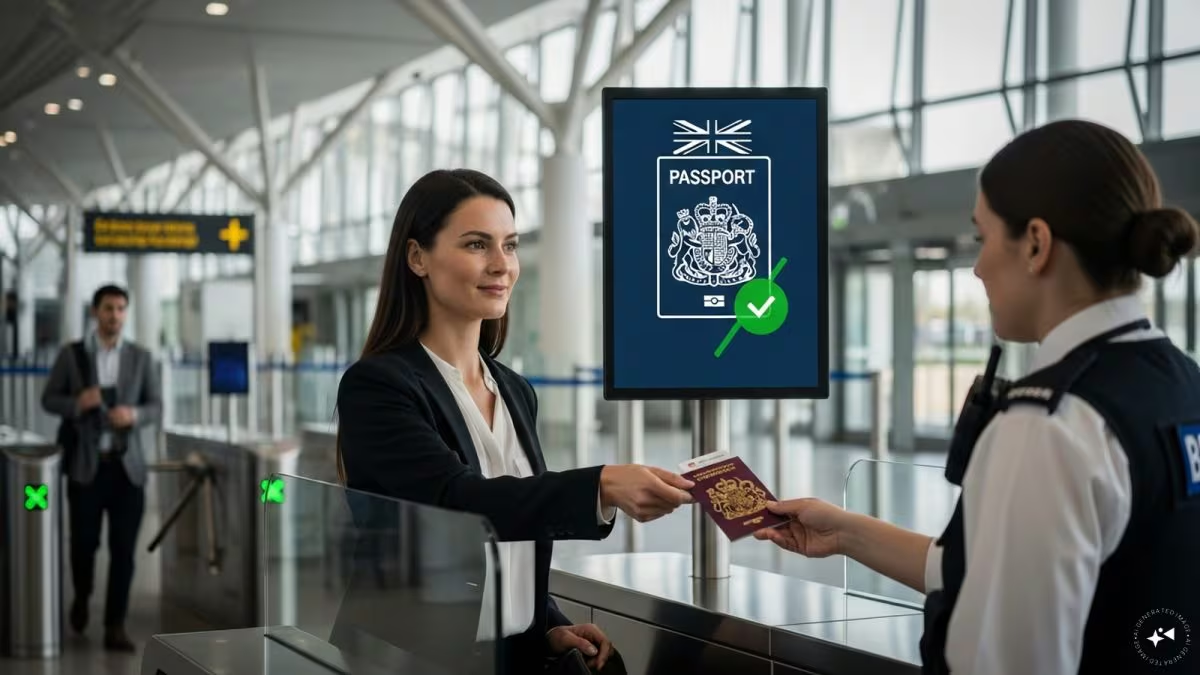
The UK is preparing for a major transformation of its immigration system as it phases out all physical visa documents and moves entirely to e‑visas from February 2026. This shift is part of a broader effort to modernise border checks, improve security, and streamline travel by linking every visa holder’s status directly to their passport through an online UKVI account. Authorities believe the digital system will reduce delays, cut the risk of lost documents, and simplify the process for visitors. (Image: X)
From February 25, 2026, applicants who require visitor visas will be issued only e‑visas. This marks the end of visa vignette stickers and other physical proofs of status. (Image: X)
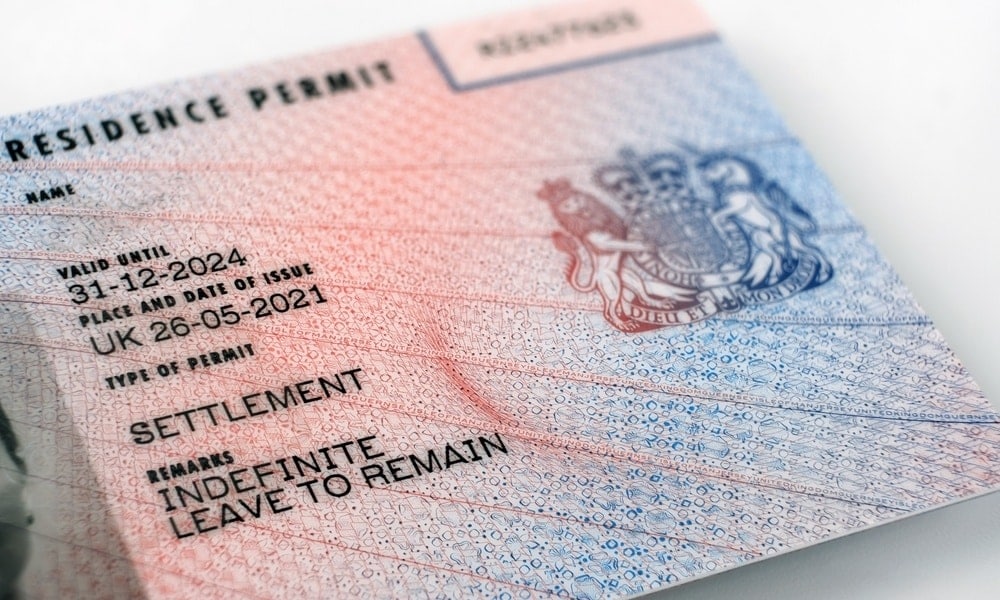
Biometric Residence Permits, Biometric Residence Cards, and paper stamps will no longer be issued, and existing holders of physical documents will automatically transition to digital status without needing to reapply. (Image: X)
Officials say the move will help prevent fraud, reduce errors, and speed up verification at airports. Digital records are harder to damage or misplace than paper documents, and border systems will be able to confirm identity instantly. Airlines will also benefit from faster processing, as they can verify details in real time. (Image: X)
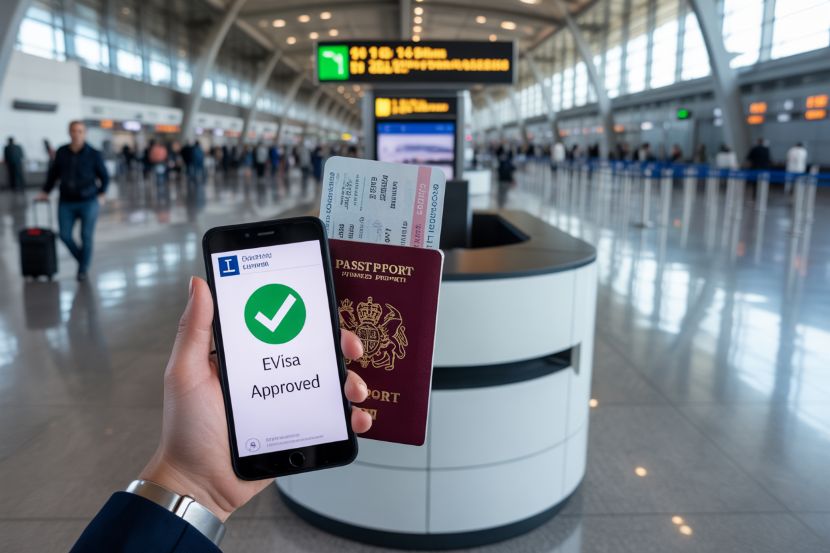
For travellers, the change means creating or signing into a UKVI online account and ensuring that passport details match the information stored in the digital record. The same passport must be used for travel, and any renewal must be updated in the account. Airlines will check digital authorisation before boarding, and travellers without the correct approval may be refused. (Image: X)
Visitors from countries that do not normally require a visa, including the EU, EEA, Switzerland, the USA, Canada, and Australia, will also need to obtain an Electronic Travel Authorisation (ETA) before travelling. The ETA costs £16, is valid for multiple visits over two years or until the passport expires, and will be checked by airlines before boarding. While an ETA grants permission to travel, final entry remains at the discretion of border officers. (Image: X)
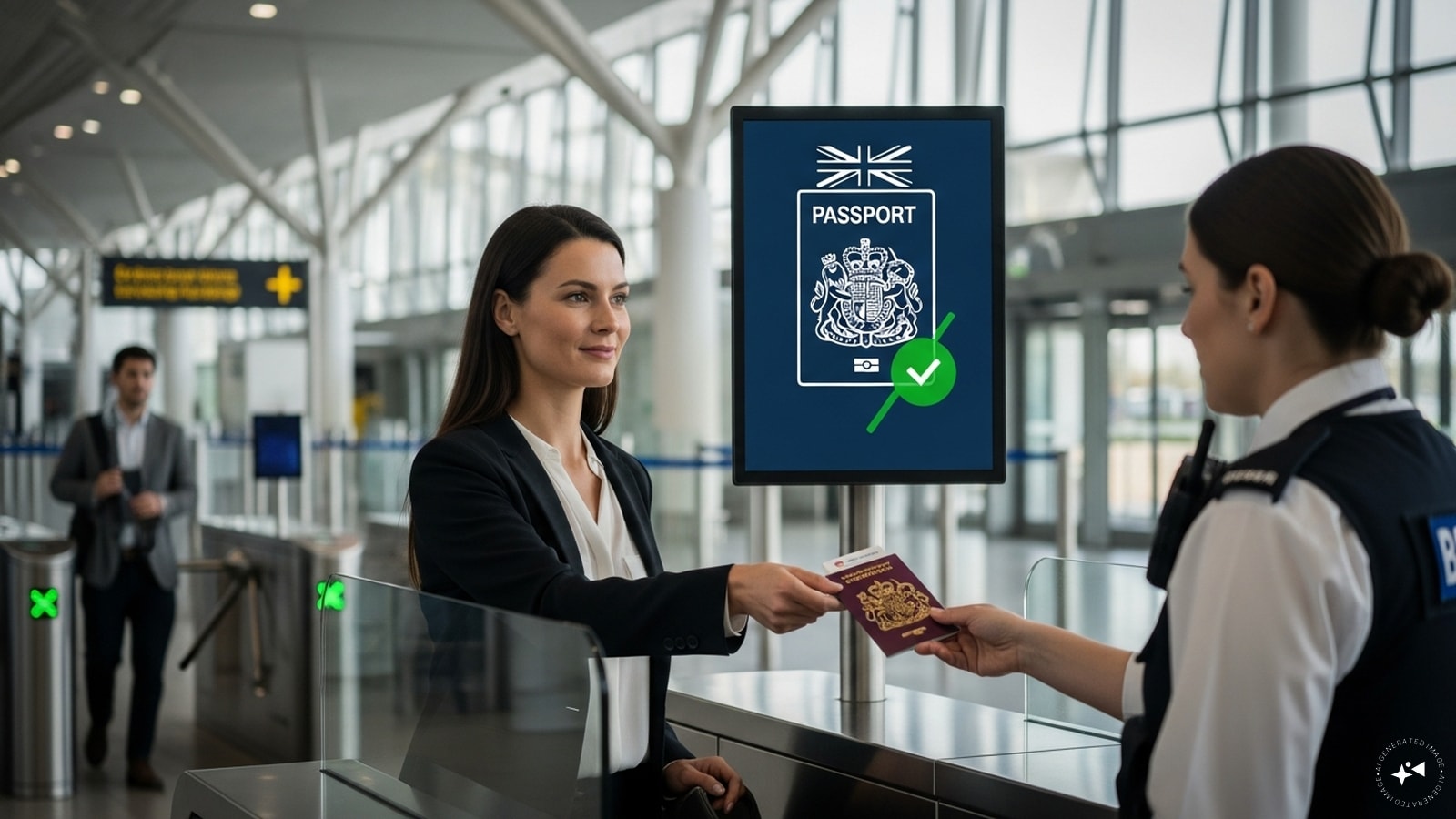
The changes also affect British dual nationals. From February 25, 2026, they must enter the UK using their British or Irish passport, or present a Certificate of Entitlement to the Right of Abode alongside their other nationality’s passport. Using the correct documents will help avoid delays and ensure smooth digital status checks at the border. This digital overhaul represents a significant step in the UK’s border modernisation programme, aiming to make travel more secure, efficient, and convenient for millions of visitors each year. (Image: AI Generated)

