
Last Updated:
From national television to the #OpenToWork badge – Neha paid the cost of the Galgotias ‘RoboDog’ scandal and professionals are calling it a textbook case of corporate scapegoating




Despite Neha being the university’s chosen face for the summit, the school suddenly labeled her “ill-informed” and “unauthorized to speak to the press.”
In the fast-paced world of social media, it only takes 60 seconds to go from a respected academic to a viral meme. This is the reality for Neha Singh, the former Communications HOD and professor at Galgotias University. After a video showed her claiming a Chinese-made robot dog was an in-house project at the India AI Impact Summit, she became the center of a massive online storm. But as the dust settles on Reddit and LinkedIn, one question is taking over our feeds: Was Neha made into a scapegoat by her institution?
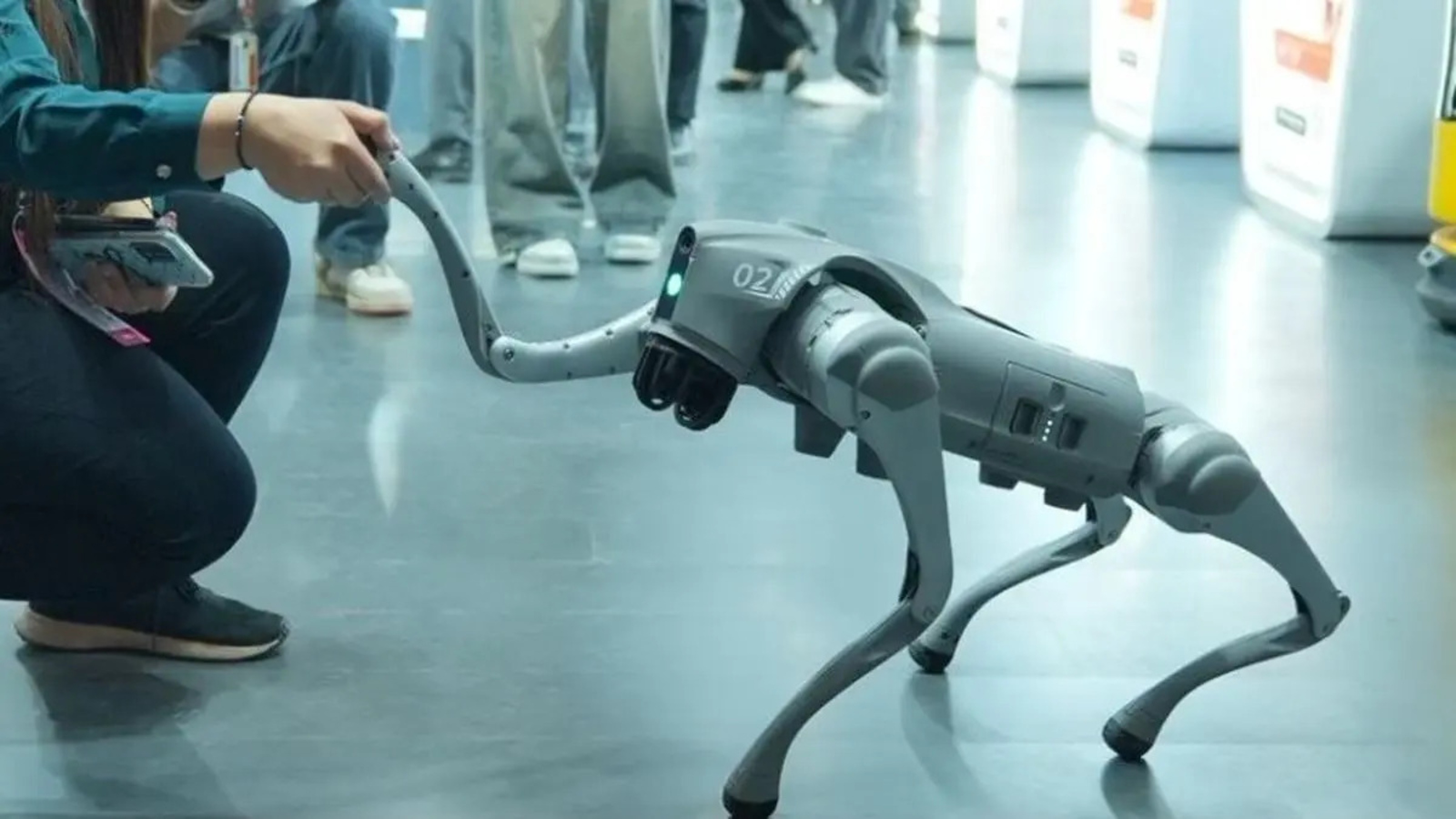
What Happened At The AI Summit
The controversy erupted when Neha Singh appeared on national television, introducing a robot dog named “Orion” as a product developed by the university’s “Centre of Excellence.” When viewers quickly identified the machine as the Unitree Go2 from China (available online for around $2,800), the backlash was instant. The university was subsequently asked to vacate its stall at Bharat Mandapam, a move the government described as necessary to prevent the “encouragement of misinformation.”
Speaking to news agencies, Neha Singh maintained that the situation was a classic case of misinterpretation. “The controversy happened because things may not have been expressed clearly and the intent may not have been properly understood,” she told PTI. She argued that since the robot still had its original branding on top, she never intended to claim they manufactured it, but rather that the university used it to inspire students.
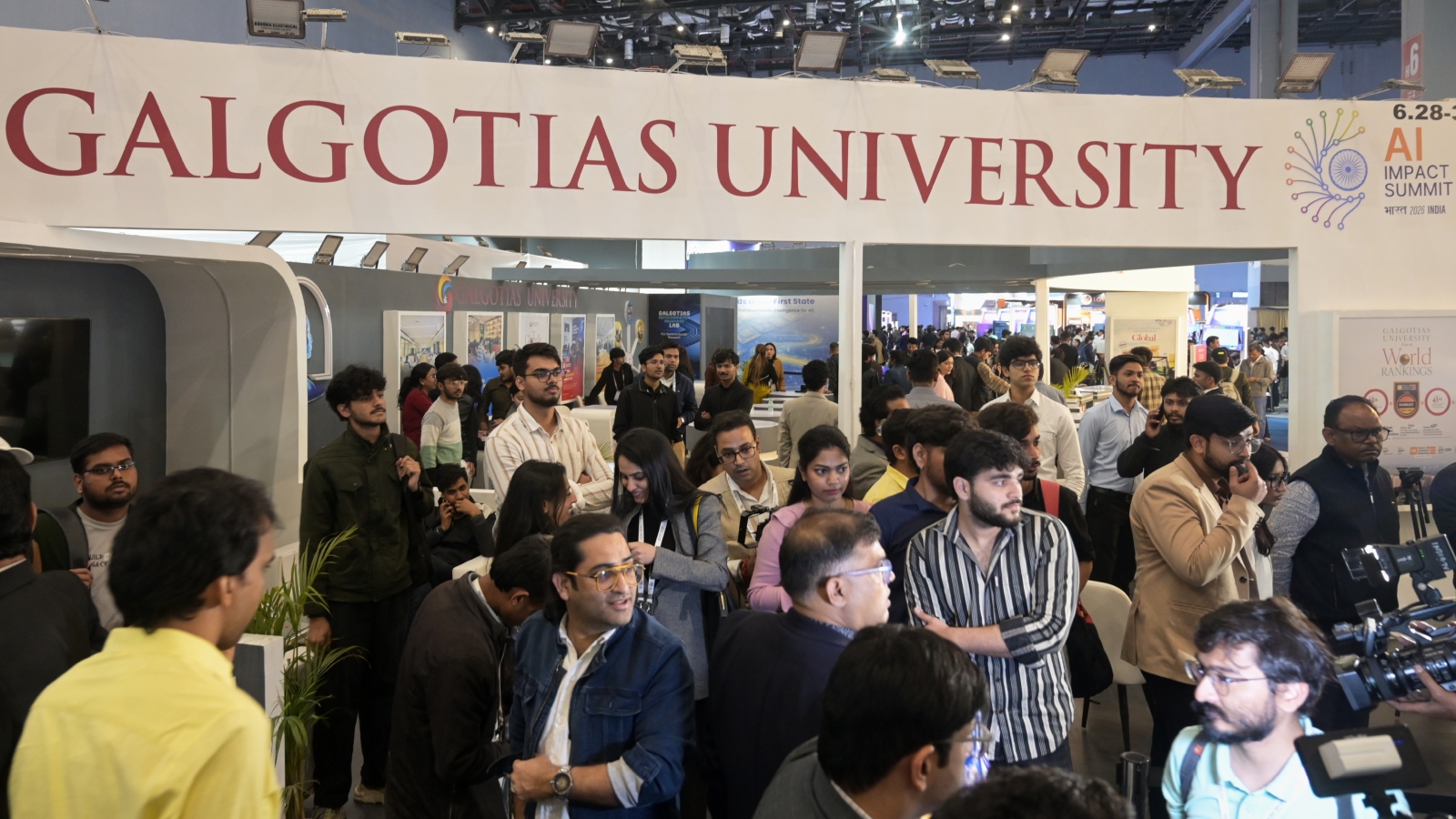
However, her now-infamous defense—”Your six can be my nine”—added fuel to the fire. While she likely meant that perspective is subjective, the internet saw it as a refusal to acknowledge the facts. In her interview with PTI, Neha Singh pointed to the chaos of the summit as the primary reason for the misinformation. She alleged that she was speaking in a “jiffy” and was overwhelmed by the “scarcity of time” and the “noise and commotion” at the Bharat Mandapam venue. According to her, these environmental factors led to a lack of eloquence, which she described as a rare occurrence for a communications expert.
The “Thrown Under The Bus” Debate
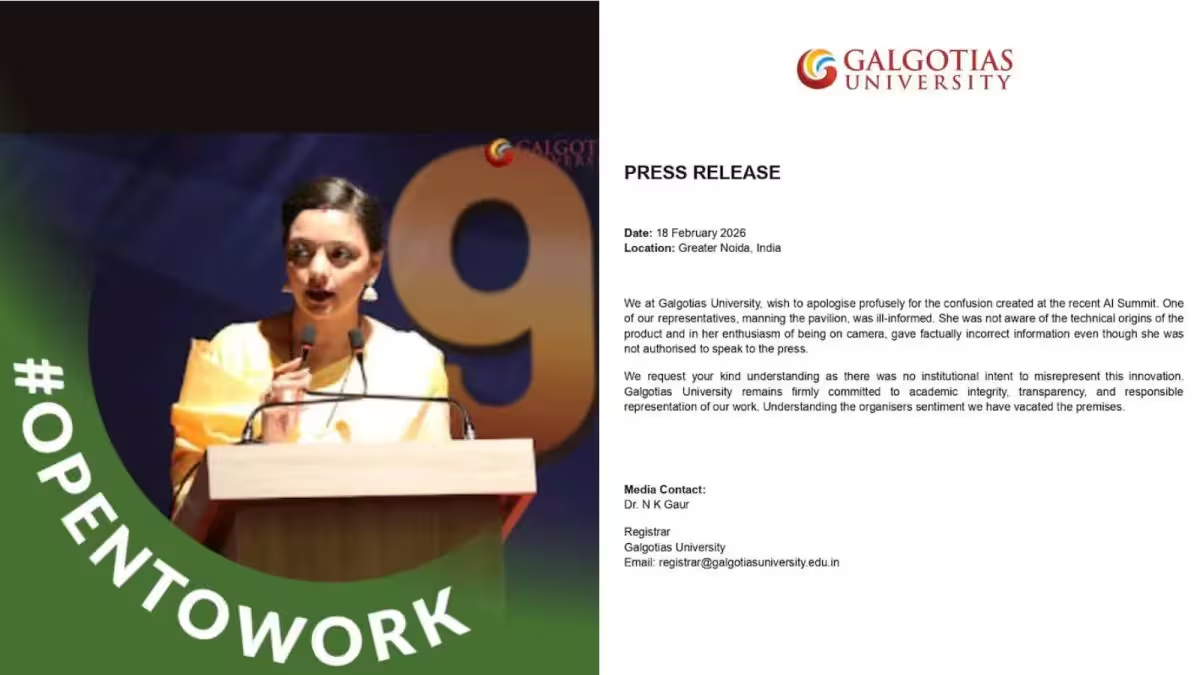
The drama reached a boiling point when Galgotias University released an official statement. Despite Neha being the university’s chosen face for the summit, the school suddenly labeled her “ill-informed” and “unauthorized to speak to the press.” They pinned the entire “factually incorrect” presentation on her individual enthusiasm, effectively distancing the institution from its own pavilion’s claims.
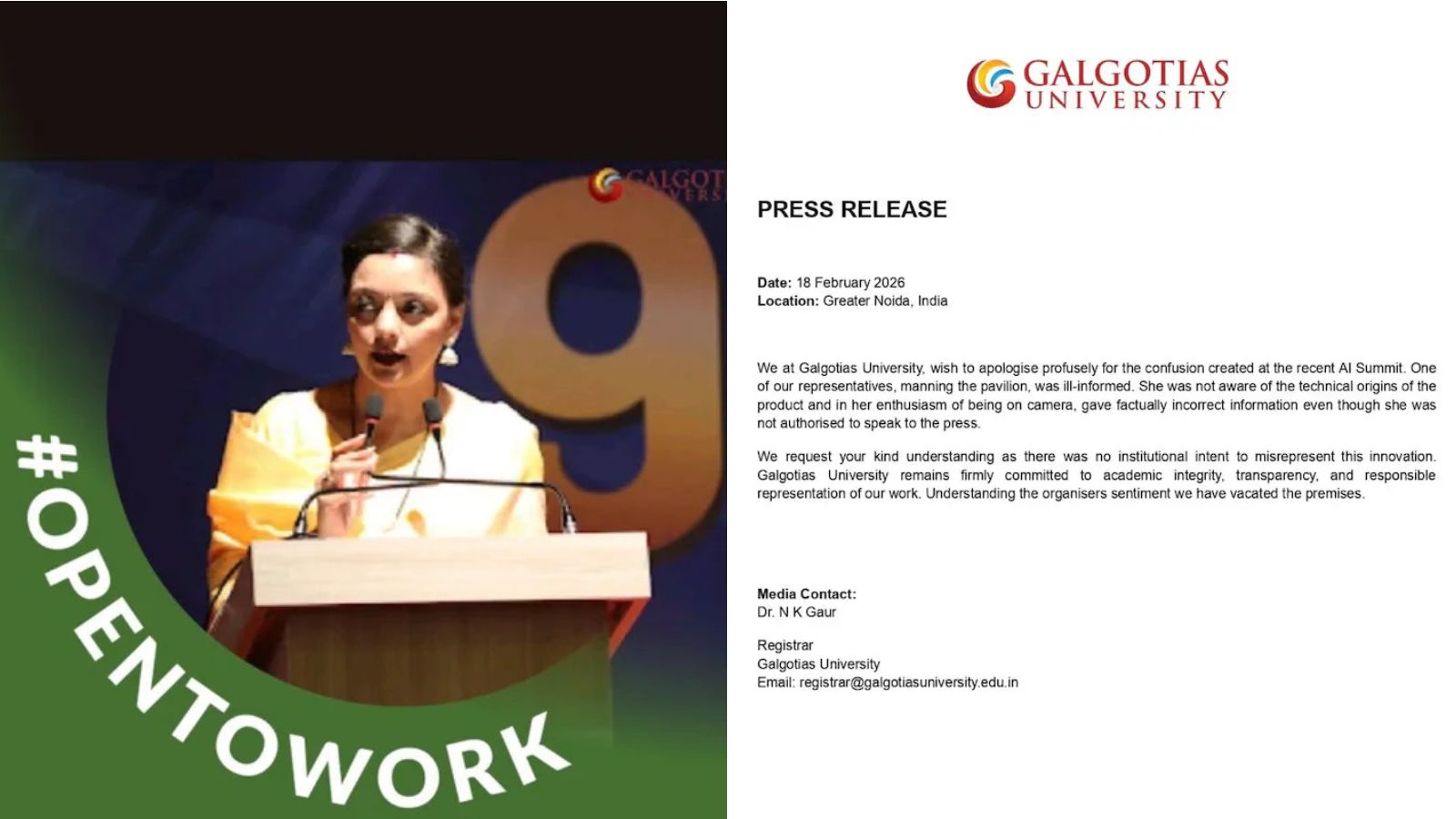
The fallout has been swift. Today, Neha Singh, a PhD holder with a long academic career, is back on LinkedIn with the #OpenToWork badge. She has been directed to go on leave pending an internal enquiry. This has sparked a heated debate online: if a communications expert was sent to man a high-profile stall, was she given a proper briefing? Or was she simply the “hype person” who was abandoned the moment the event turned sour?
The Human Cost Of Viral Fame
Regardless of where the truth lies, her story is a reminder of the “human cost of viral fame.” For many professionals, Galgotias’ decision to publicly blame Neha felt like a betrayal of workplace loyalty. It has raised a major red flag for young professionals: the fear of becoming a “PR Shield.” This happens when an employee is pushed to be the face of a project but is left to face the consequences alone when the claims fail to hold up.
Whether you see her as a victim of a bad system or a willing participant in a misrepresentation, the fallout between Neha and Galgotias is a tale that every professional should pay attention to. In the age of AI and instant fact-checking, “faking it till you make it” can cost you everything.
February 19, 2026, 23:06 IST

