
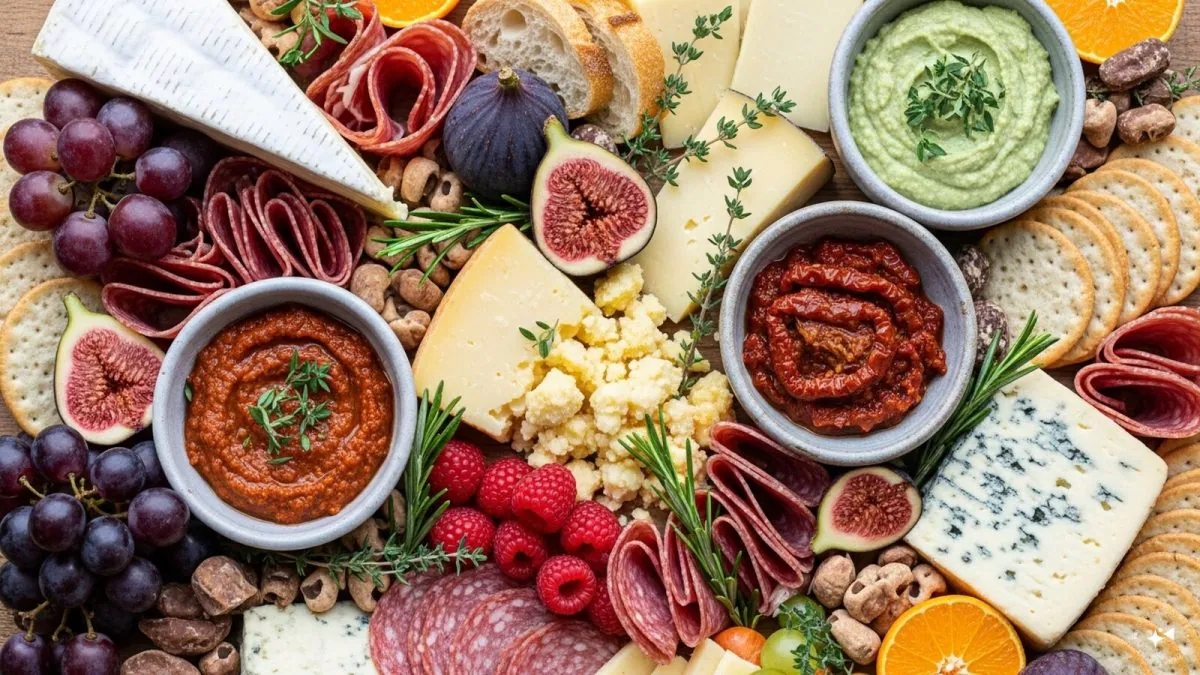
A charcuterie board is more than just food, it’s edible art. It’s the kind of centerpiece that makes people stop, admire, and then dive in with delight. Whether you’re hosting a dinner party, celebrating a holiday, or simply indulging in a cozy evening at home, a well-crafted charcuterie board brings together flavors, textures, and colors in a way that feels both luxurious and approachable. (Image: Canva)
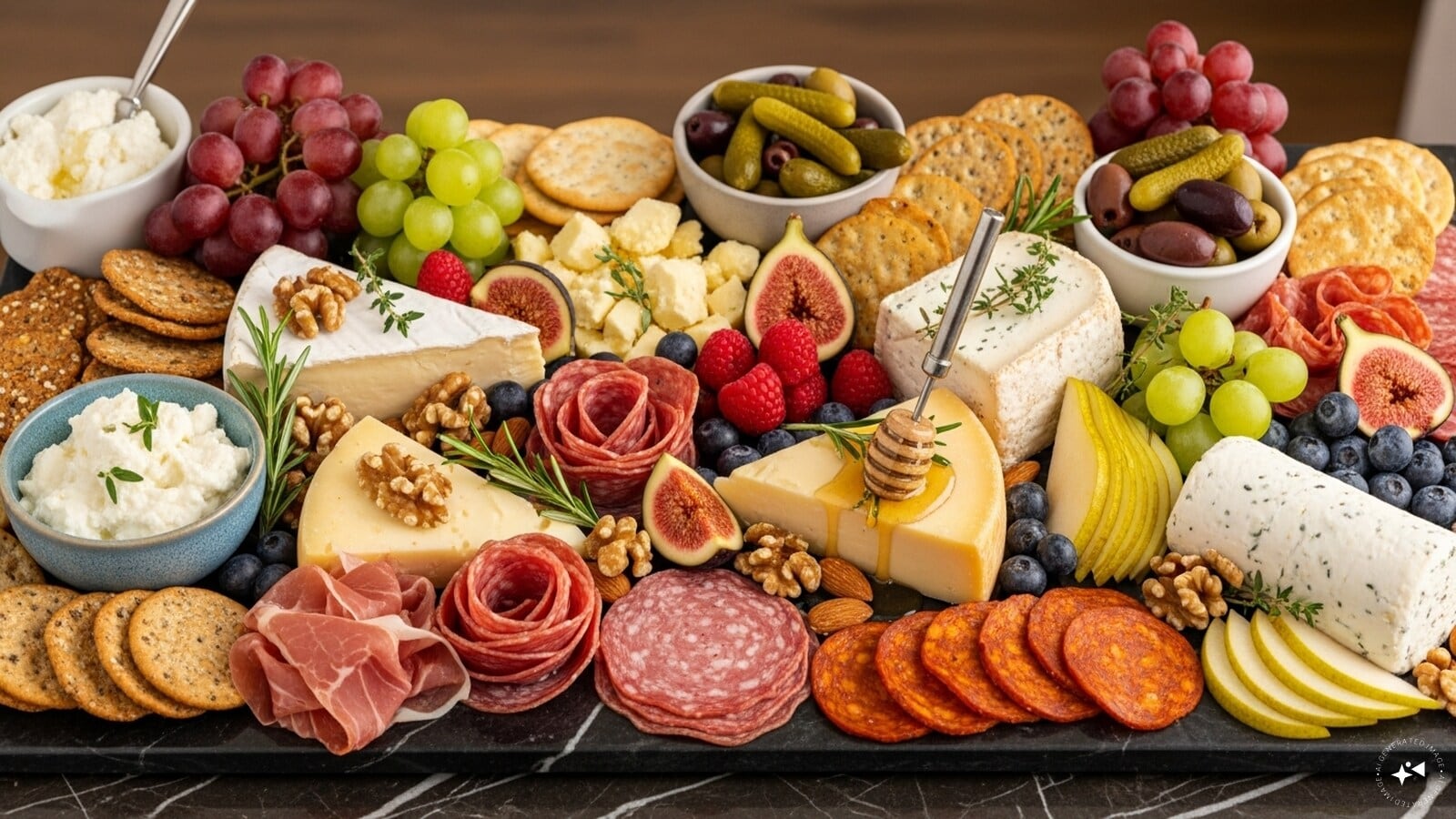
The beauty of it lies in the balance: salty cured meats, creamy cheeses, crunchy crackers, sweet fruits, and little surprises tucked in between. Building one may look intimidating, but with a few simple steps, you can create a spread that looks straight out of a magazine and takes less time than you think. (Image: AI-Generated)
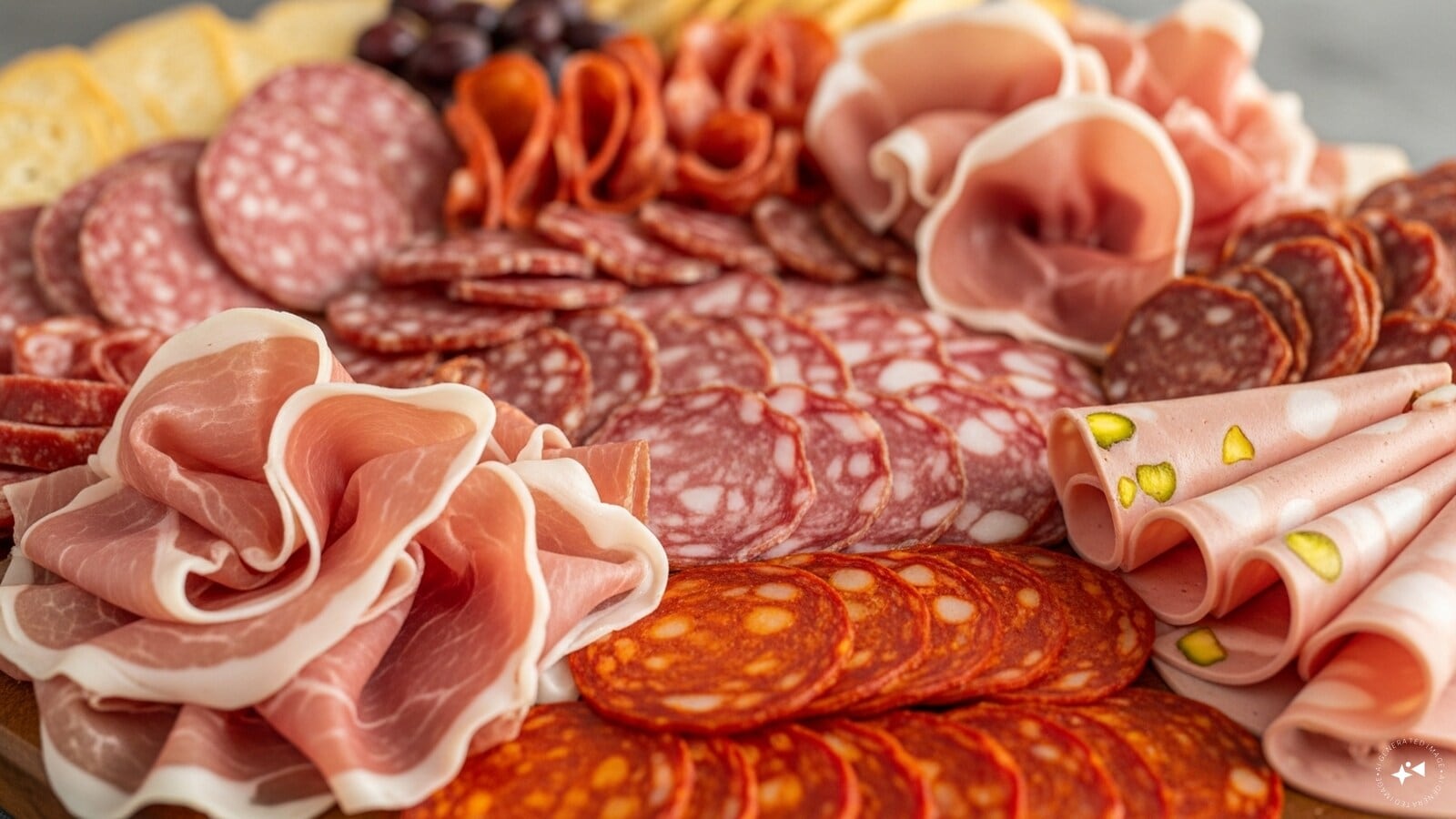
The first step is choosing your meats. Traditional charcuterie boards highlight cured and smoked varieties, so think prosciutto, salami, chorizo, or mortadella. Arrange them in folds or ribbons rather than flat slices; this adds volume and makes the board look abundant. If you want to keep things lighter, you can include turkey or chicken cold cuts, but the key is variety. A mix of textures, from thinly sliced prosciutto to chunky salami, ensures every bite feels different. (Image: AI-Generated)
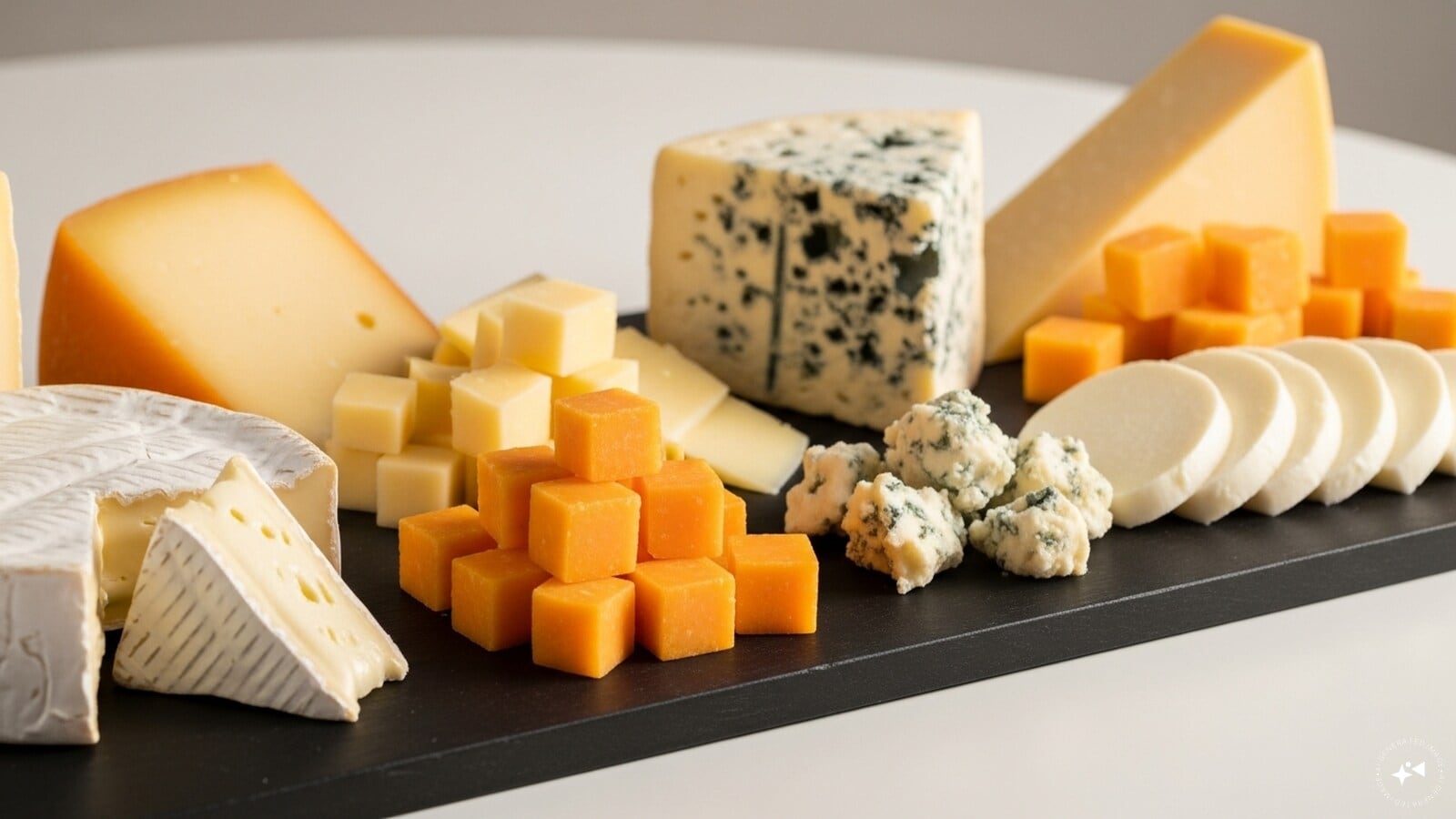
Next comes the cheese, arguably the star of the show. A good board balances soft, hard, and aged varieties. Brie or camembert brings creaminess, cheddar or gouda adds sharpness, and blue cheese introduces bold character. Cut some into cubes, leave wedges intact, and crumble others for visual appeal. If you’re serving guests who may not be adventurous eaters, stick to familiar favorites like mozzarella or Havarti, but always include at least one cheese that sparks curiosity. (Image: AI-Generated)
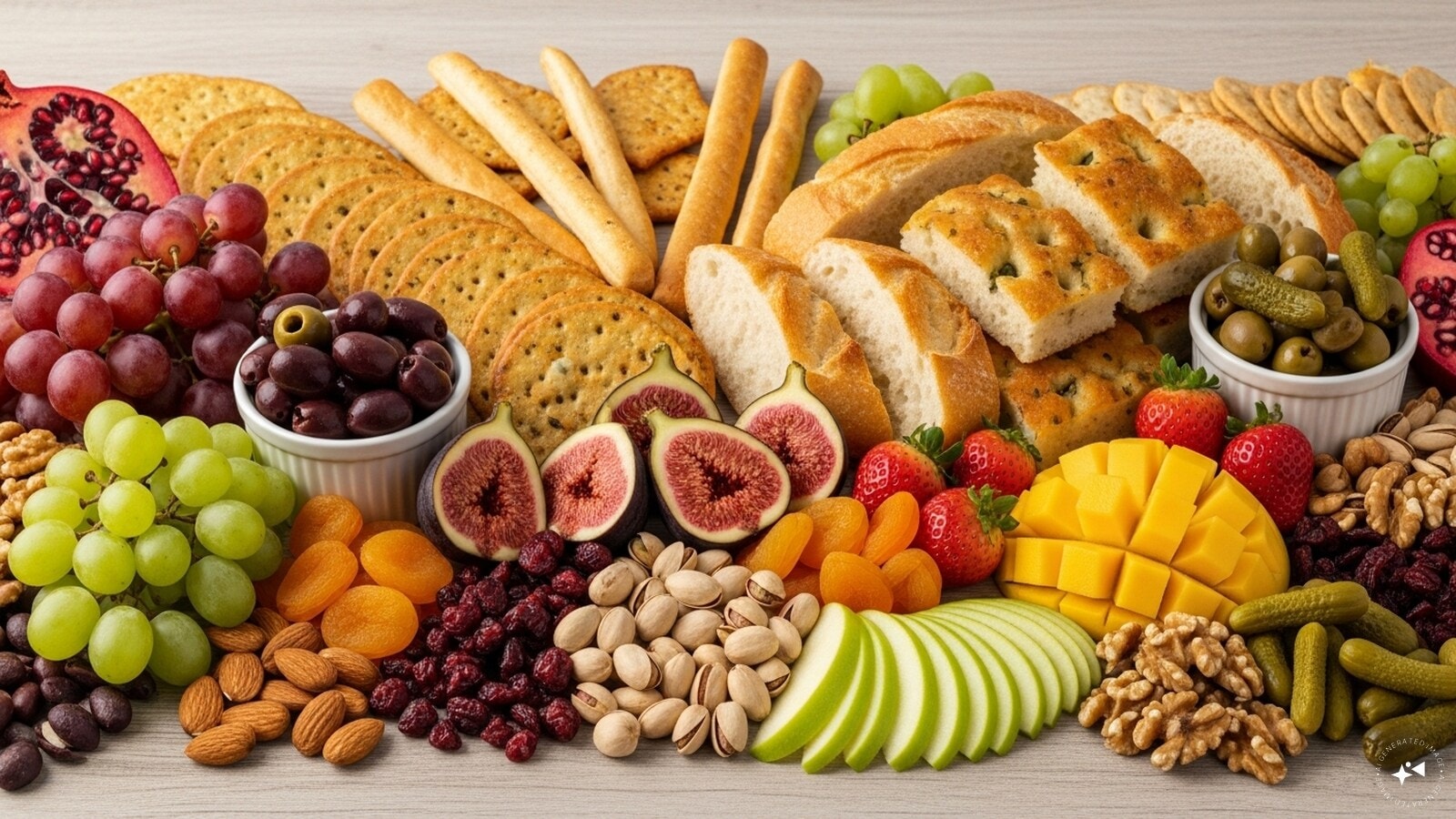
No charcuterie board is complete without accompaniments. Crackers and breadsticks provide crunch, while slices of baguette or focaccia add heartiness. Fruits bring sweetness and color – grapes, figs, strawberries, and apple slices are classics, but seasonal picks like pomegranate seeds or mango can make your board stand out. Dried fruits such as apricots or cranberries add chewiness and pair beautifully with salty meats and tangy cheeses. Nuts like almonds, pistachios, or walnuts add another layer of texture, while olives and pickles cut through richness with their briny bite. (Image: AI-Generated)
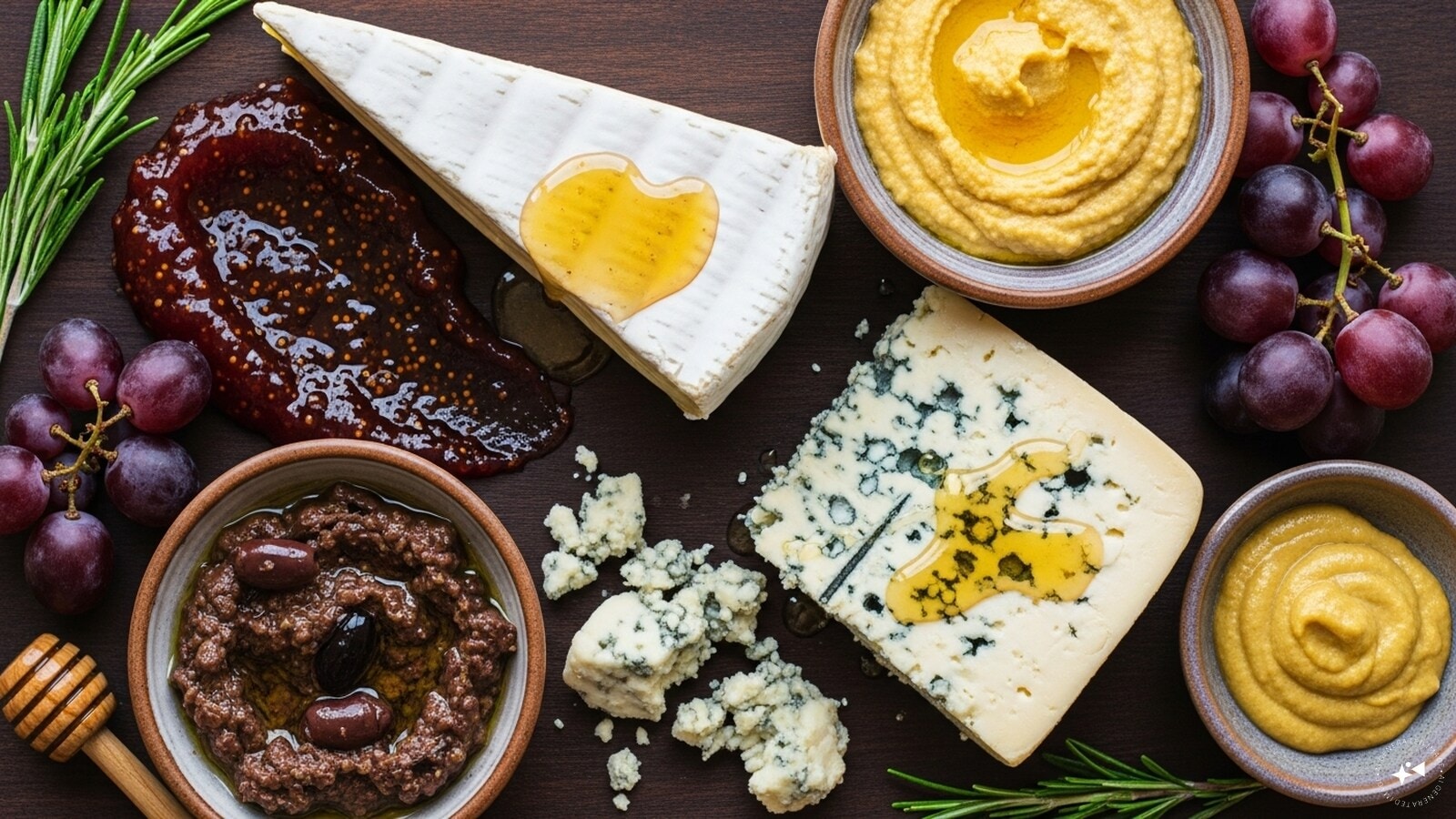
To elevate the board further, add spreads and dips. Honey drizzled over blue cheese is a revelation, while fig jam pairs beautifully with brie. Mustard, hummus, or tapenade can be served in small bowls tucked into corners of the board. These little extras not only enhance flavor but also make the board interactive, encouraging guests to mix and match combinations. (Image: AI-Generated)
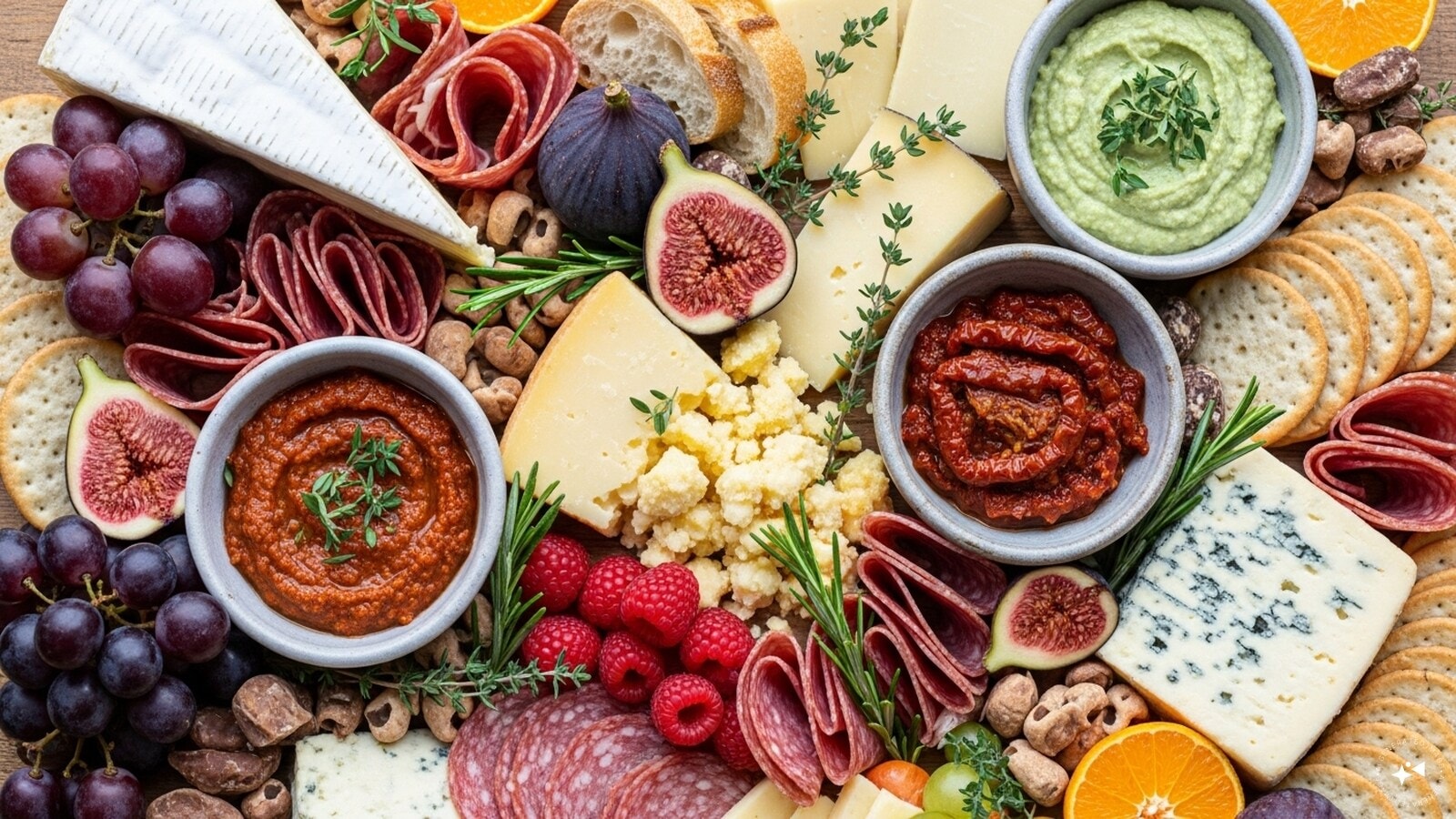
Presentation is everything. Start by placing larger items like cheese wedges and bowls of dips first, then fill in the gaps with meats, crackers, and fruits. Think of it like painting – you want balance, symmetry, and pops of colour. Don’t be afraid to let things overlap; the slightly messy abundance is part of the charm. Garnish with fresh herbs like rosemary or thyme for a touch of green and a subtle aroma. (Image: AI-Generated)
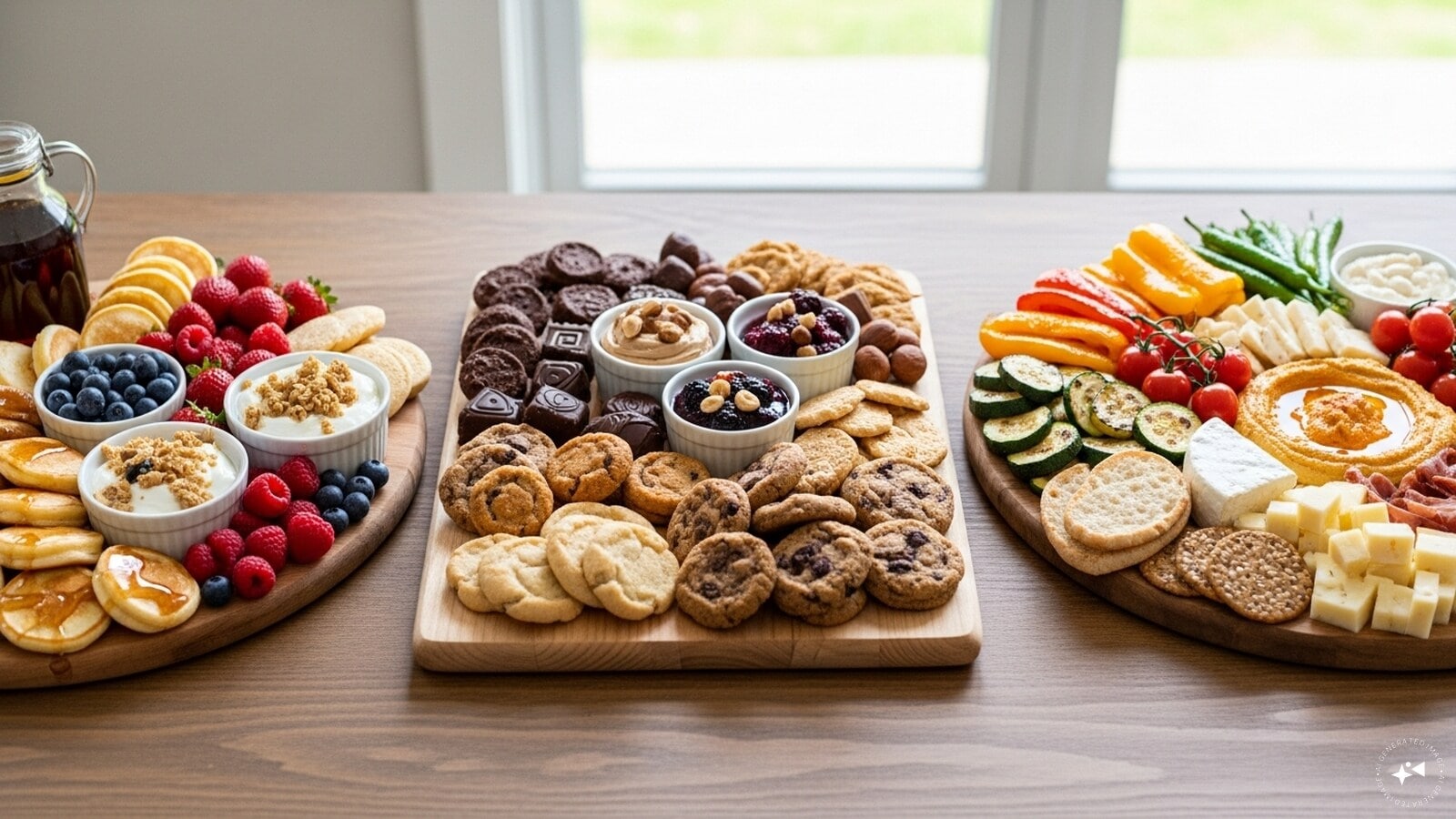
What makes charcuterie boards so unique is their adaptability. You can tailor them to any occasion: a breakfast board with mini pancakes, yogurt, and berries; a dessert board with chocolates, cookies, and sweet spreads; or even a vegetarian board with roasted vegetables, plant-based cheeses, and hummus. The concept is flexible, and that’s why it has become such a popular entertaining trend worldwide. (Image: AI-Generated)
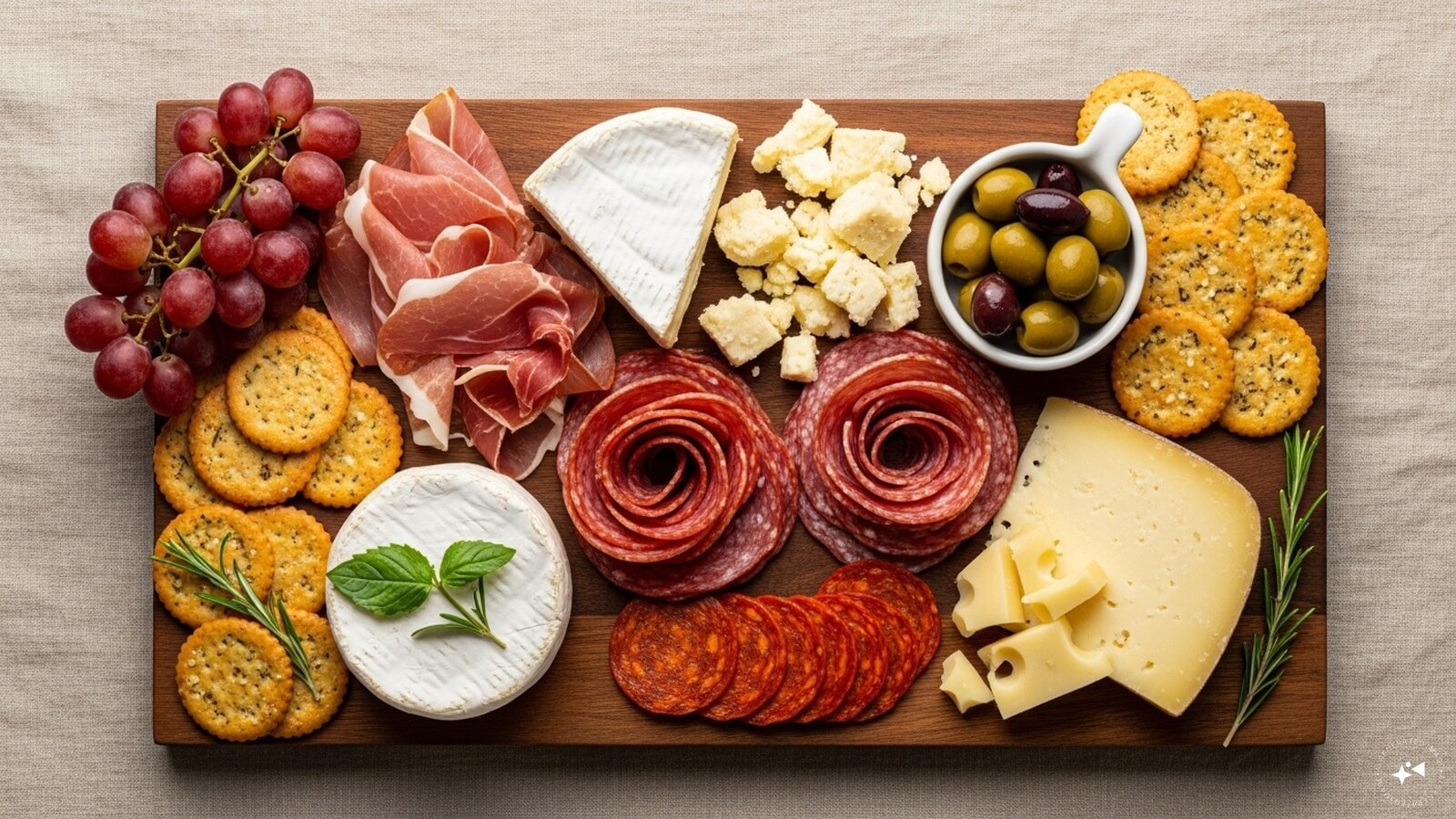
The final touch is portion planning. Experts often suggest the “3-3-3 rule”, three meats, three cheeses, and three accompaniments, as a simple guideline for balance. But ultimately, it depends on your guest list. For a small gathering, keep it minimal and elegant; for a larger party, go big and bold. The goal is abundance without waste, so choose items you know your guests will enjoy. (Image: AI-Generated)

